
Lochia is the vaginal discharge you’ll have after birth as your uterus heals. It usually starts as lochia rubra, a bright red, heavier flow for about 3 to 4 days. It then shifts to lochia serosa, a pink-brown and lighter discharge, from about days 4 to 12. Next comes lochia alba, a yellow-white discharge that may last up to 6 weeks. A foul odor, large clots, fever, or soaking a pad in an hour needs prompt medical care.
What’s in This Article
- What Is Lochia After Birth?
- Lochia Rubra: Bright Red First Stage
- Lochia Serosa: Pink-Brown Middle Stage
- Lochia Alba: Yellow-White Final Stage
- How Long Lochia Lasts
- What Lochia Should Smell Like
- Lochia Color Changes by Stage
- Red Flags to Watch For
- How to Manage Lochia at Home
- Frequently Asked Questions
Quick Answer
Lochia usually changes from red to pink-brown to yellow-white as your uterus heals after birth. The flow should get lighter over time, not heavier. Call your healthcare provider if you soak a pad in an hour, pass large clots, notice a foul odor, develop fever, or see bright red bleeding return after it had faded.
Key Takeaways
- Lochia rubra usually appears first and looks bright red with a heavier flow.
- Lochia serosa often follows around days 4 to 12 and looks pink-brown.
- Lochia alba usually looks yellow-white and may last several weeks.
- Your flow should slowly get lighter as your uterus heals.
- Heavy bleeding, large clots, fever, or foul odor need prompt medical care.
What Is Lochia After Birth?
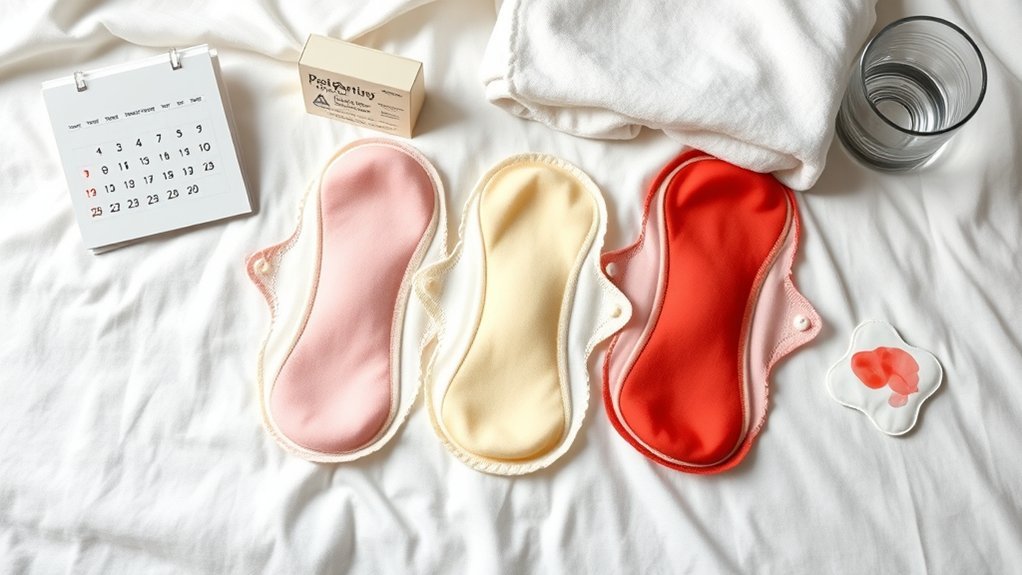
Lochia is the vaginal discharge you have after childbirth. Your body sheds blood, mucus, and uterine tissue while your uterus heals.
You’ll notice postpartum bleeding that changes across three stages: lochia rubra, lochia serosa, and lochia alba. This timeline often lasts 4 to 6 weeks, though light traces can continue up to 8 weeks for some people.
Early flow is usually heavier. It then becomes pinkish-brown, and later yellowish-white as healing moves forward. Normal lochia has a mild odor, not a foul one.
You should track color, amount, and clots. Sudden bright red bleeding or large clots are warning signs. These changes can point to complications that need prompt care. Normal vs. abnormal bleeding is crucial to understand during your recovery.
Your body’s recovery deserves attention, not dismissal. You can ask for clear answers when something feels wrong.
If the discharge smells bad, becomes heavy again, or concerns you, contact your healthcare provider right away.
Lochia Rubra: Bright Red First Stage
Bright red postpartum bleeding usually marks lochia rubra, the first stage of lochia. It typically lasts about 3 to 4 days after delivery.
You may notice a heavy flow that still fits the early recovery period. It can include small clots that look like a heavy menstrual period. Your uterus contracts to push out blood and tissue, so mild to moderate cramping can happen.
Bright red blood often reflects fresh bleeding. You should watch for any sudden increase in flow. Track the timing closely because lochia rubra should taper within several days.
If you pass large clots, notice a foul odor, or bleeding stays heavy beyond 4 days, seek medical attention. Those warning signs can point to complications that need prompt care.
Also, monitoring changes in color, consistency, or odor supports safer recovery during this phase.
You deserve clear, informed care. Knowing what’s expected helps you protect your recovery and spot changes that need help.
Lochia Serosa: Pink-Brown Middle Stage
During lochia serosa, you’ll usually see pink-brown discharge with a thinner texture and a lighter flow.
This stage often occurs around days 4 to 12 after childbirth. It shows that bleeding is decreasing as your uterus heals.
You should monitor for a foul odor, clots, fever, or a sudden increase in flow. These signs may point to a complication. This stage also helps you assess postpartum bleeding prevention, because proper care can support a smoother recovery.
Serosa Color and Flow
As postpartum bleeding progresses, lochia serosa usually appears around days 4 to 12. It often looks pink-brown and feels thinner than lochia rubra.
You may notice lochia serosa as a pinkish-brown discharge. This change reflects postpartum healing and normal color changes during recovery.
The flow should lessen, and clots should be few or absent. This pattern shows that your uterus is clearing leftover tissue and returning toward its usual size.
Your discharge should keep a mild odor. A foul smell is not expected and can signal infection.
Watch for warning signs such as a sudden return to bright red bleeding, heavier flow, or new clots. These changes deserve prompt medical review.
Typical Timing and Signs
Lochia serosa usually appears from about days 4 to 12 after delivery. It marks the middle stage of postpartum bleeding.
In this timeline, lochia rubra has usually faded, and lochia serosa should look pink-brown, thinner, and lighter. Your flow should drop noticeably, with little to no clots.
Mild cramping can still occur, but it’s usually less intense than during lochia rubra. These color stages reflect healing as your uterus clears remaining blood and tissue.
Stay alert for warning signs. A return to bright red bleeding, foul odor, or heavier flow can signal abnormal bleeding. Track changes closely so you can protect your postpartum recovery and seek care if your pattern shifts.
Lochia Alba: Yellow-White Final Stage
By the final stage of postpartum bleeding, you’ll usually notice lochia alba. This yellowish-white or creamy discharge often begins around day 12 after childbirth and can continue for 2 to 6 weeks.
Lochia alba marks the final stage of recovery. Your body should show a light flow with no clots and little to no blood. This timeline often reflects uterine healing rather than active bleeding.
During this stage, natural uterine contractions continue to support recovery. Oxytocin can promote contractions, which may help your uterus return toward its usual size.
| Normal sign | What you may see |
|---|---|
| Color | Yellowish-white, creamy discharge |
| Flow | Light flow, spotting, minimal discharge |
| Blood | Little to no blood, no clots |
| Odor | Mild smell; foul odor is a warning sign |
If the discharge smells foul, treat that as a warning sign of possible infection. Contact a healthcare provider promptly. You deserve clear guidance while your body restores itself.
How Long Lochia Lasts

The full pattern of postpartum bleeding usually lasts about 4 to 6 weeks. Some people notice it tapering within 2 to 3 weeks.
Postpartum bleeding often lasts 4 to 6 weeks, though it may taper off within 2 to 3 weeks.
Your lochia timeline usually follows three color stages: rubra, serosa, then alba.
In the first days, rubra brings bright or dark red discharge. It often has a heavier flow and small clots for about 3 to 4 days.
Next, serosa appears as pinkish-brown discharge with a lighter flow from about days 4 to 12.
Finally, alba shows yellowish-white discharge with minimal blood. It can continue until about 4 to 6 weeks postpartum.
You can track this progression as your body heals and your uterus returns toward baseline. If your discharge does not follow this general pattern, or you notice warning signs, seek medical review. A sudden increase in bleeding needs attention. Effective pain management can also matter during recovery, especially if you have perineal trauma.
Your recovery is yours to know, monitor, and direct.
What Lochia Should Smell Like
| Sign | Meaning | Action |
|---|---|---|
| Mild odor | Normal lochia | Continue recovery care |
| Foul or fishy odor | Possible infection | Seek prompt evaluation |
| Sudden change | Possible complications | Contact your provider |
Lochia odor can shift as the stages progress from rubra to serosa and alba. It should not become stronger, fishy, or offensive.
A sudden change in smell may signal infection, including endometritis, and needs clinical attention. If you’re healing postpartum, you should know what’s expected and what isn’t.
Monitor odor alongside bleeding, pain, and fever. Postpartum hemorrhoids can also complicate recovery, so trust your report of your own body. Prompt assessment can help prevent complications and support safe recovery.
Lochia Color Changes by Stage
Lochia changes color in a predictable sequence as your uterus heals after birth. It starts as lochia rubra during the first 3 to 4 days, with bright red, heavy bleeding and small clots.
It then shifts to lochia serosa from about days 4 to 12. The discharge turns pinkish-brown, becomes thinner, and usually has fewer or no clots.
It later progresses to lochia alba around day 12. This stage often brings yellowish-white discharge, minimal blood, and light flow that can continue for up to six weeks.
These color changes reflect the healing process and help you track the discharge stages on a normal postpartum bleeding timeline. In practice, lochia rubra, lochia serosa, and lochia alba should gradually lighten in color and volume.
If you experience heavy bleeding during any stage of lochia, seek medical evaluation promptly. You deserve clear information about what’s expected and what isn’t. Warning signs include large clots, foul-smelling discharge, fever, or excessive bleeding.
Red Flags to Watch For
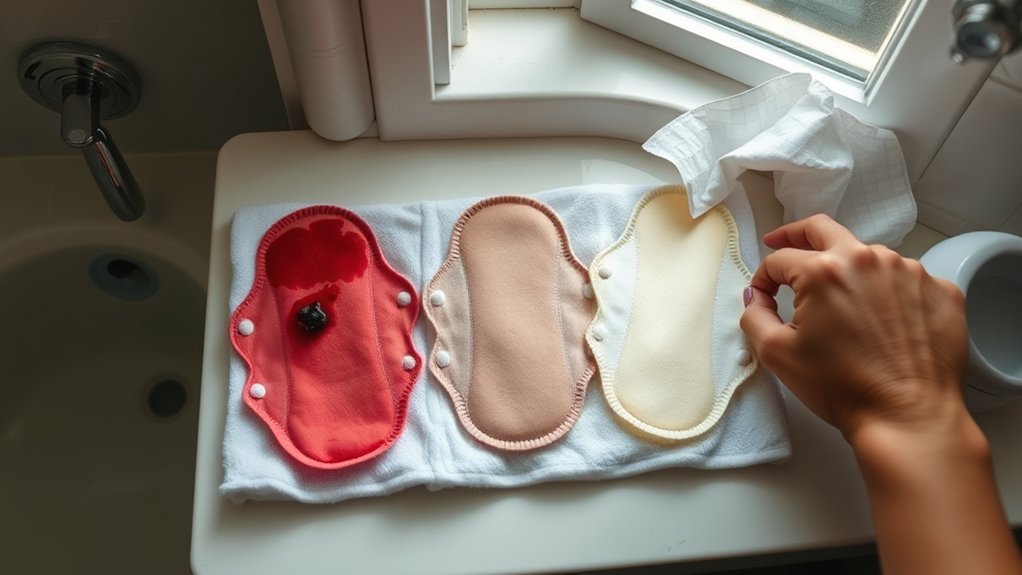
You should watch closely for heavy bleeding. Soaking through a pad in less than an hour needs immediate medical attention.
You should also note any foul or fishy odor from lochia. This can signal infection, so report it promptly.
Large clots, especially those larger than a golf ball, are a red flag and need urgent evaluation. Signs of severe pain or persistent symptoms may also point to complications that need professional care.
Warning: Call your healthcare provider right away if bleeding gets heavier, smells foul, or comes with fever or severe pain.
Heavy Bleeding Signs
Heavy bleeding during lochia is a red flag that needs prompt evaluation. This is especially true if you soak a pad in an hour, pass large clots, or see bright red bleeding return after it had faded.
During the postpartum timeline, these warning signs can point to postpartum hemorrhage, retained tissue, or another urgent cause. You should not wait for the bleeding to settle on its own. Contact your healthcare provider right away.
Watch for heavy bleeding that persists beyond six weeks, because it may signal infection, retained tissue, or another concern. Stay alert to changes in your lochia, and trust your body’s signals.
Prompt assessment protects your recovery. It also helps you make informed choices and regain control over your postpartum health.
Foul Odor Changes
A mild, non-offensive odor is expected with lochia. A foul or fishy smell is not normal and can signal infection that needs medical attention.
During lochia rubra, fresh blood can make your discharge smell stronger, but it should not turn putrid. As postpartum bleeding shifts to lochia serosa, color changes should bring a pinkish-brown flow with a mild scent.
In lochia alba, odor should stay minimal.
- Watch for sudden foul odor.
- Track fever, chills, or severe pain.
- Seek evaluation for possible infection.
- Keep monitoring as part of postpartum care.
If smell worsens, don’t wait for it to pass. Your body deserves careful monitoring, and you deserve clear warning signs that help you act fast.
Large Clot Alerts
Large clots during lochia can be a warning sign, especially if they’re larger than a golf ball or keep getting bigger.
In lochia rubra, small clots can occur. Persistent large clots are red flags. Watch postpartum bleeding closely and track the size and frequency of clots.
If you’re soaking through a pad in less than an hour, you may be losing too much blood and need urgent care. Contact your healthcare provider right away, because these findings can signal complications such as retained placenta or infection.
A foul-smelling discharge with large clots also raises concern for infection. Monitoring your bleeding patterns helps you spot abnormal changes early.
Trust your body, seek care promptly, and don’t wait if warning signs escalate.
How to Manage Lochia at Home
To manage lochia at home, use sanitary maxi pads instead of tampons during the first six weeks postpartum. This can lower infection risk and support better hygiene. Change sanitary pads often, especially during heavier bleeding.
Rest, avoid strenuous activity, and let your body heal during recovery.
- Monitor lochia color stages daily: bright red, pink-brown, then yellow-white.
- Watch flow closely; sudden bright red bleeding or heavier bleeding needs attention.
- Report foul odors, fever, or increasing pain as warning signs promptly.
- Maintain hydration and careful hygiene to support recovery and reduce infection risk.
You can protect your health by tracking changes without fear. Use a clean pad count, note the amount of bleeding, and watch for clots or odor. Understanding postpartum hemorrhoids can also help you recognize other common postpartum challenges.
If symptoms worsen, contact your clinician. Active monitoring helps you recover with more confidence through each postpartum phase.
Frequently Asked Questions
Why Is My Lochia Alba Turning Red Again?
Lochia alba may turn red again after extra activity, Breastfeeding cramps, or a brief change in uterine healing. Call your provider if the red bleeding becomes heavy, smells foul, includes large clots, or comes with fever or strong pain.
What Is the 3 3 3 Rule for Postpartum?
Some people use the 3 3 3 rule to describe soaking a pad every hour for three hours. You should not wait that long if bleeding feels heavy or unsafe. Call your healthcare provider or seek urgent care if you soak a pad in an hour.
How Long Does the Lochia Alba Stage Last?
Lochia alba often lasts from about 2 to 6 weeks. It should look light, yellow-white, or creamy. Contact your provider if it becomes foul-smelling, turns heavy, or changes back to bright red bleeding.
What Is the Color of Lochia in the Timeline?
Lochia usually starts bright red, then turns pink-brown, then becomes yellow-white. This color change often shows that your uterus is healing. A sudden return to heavy bright red bleeding needs medical review.
Can Breastfeeding Change Lochia Flow?
Breastfeeding can trigger uterine cramps because your body releases oxytocin. You may notice a short increase in flow during or after feeding. The flow should still settle, not keep getting heavier.
Medical Disclaimer: This article is for informational purposes only and does not constitute professional medical advice. Always consult a qualified doctor, midwife, or healthcare provider before making decisions based on this information.
Conclusion
Your lochia should move from bright red rubra to pink-brown serosa and then yellow-white alba as healing continues. The most important sign of normal recovery is steady lightening in color and flow.
Track your bleeding, odor, clots, pain, and fever each day. Call your provider if you soak a pad in an hour, pass large clots, notice foul odor, or see bright red bleeding return. Your recovery should move forward, not suddenly get worse.