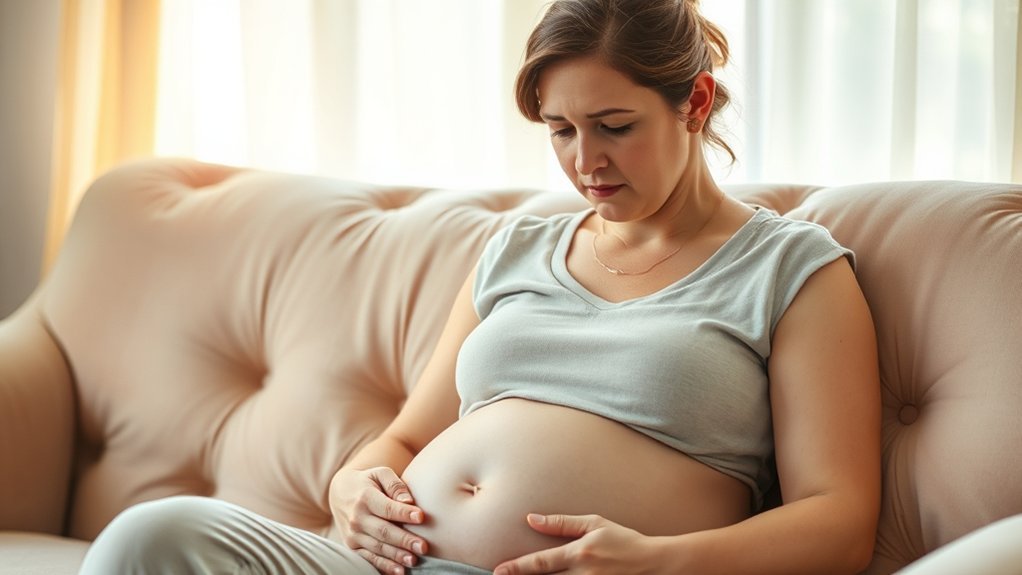
Postpartum hemorrhoids can make sitting, using the bathroom, and caring for your baby feel harder than expected. These swollen veins in or around the anus often happen after pregnancy and birth because pressure, constipation, and pushing can strain the rectal area. This guide explains what causes postpartum hemorrhoids, how to ease symptoms at home, and when you should call a healthcare provider.
Quick Answer
Postpartum hemorrhoids are swollen veins in or around the anus that can cause pain, itching, swelling, or bright red bleeding. They often improve with fiber, fluids, warm sitz baths, cold packs, and gentle bathroom habits. Call a healthcare provider if pain, bleeding, or swelling gets worse or lasts longer than a week.
Key Takeaways
- Postpartum hemorrhoids can develop after pregnancy and birth because pressure and straining affect rectal veins.
- Symptoms often include itching, pain, swelling, lumps, and bright red blood during bowel movements.
- Fiber, water, sitz baths, cold packs, and witch hazel may help ease mild symptoms.
- Heavy bleeding, severe pain, fever, pus, or symptoms that don’t improve need medical care.
- Prompt bathroom habits and gentle movement may lower your risk of constipation and flare-ups.
What Are Postpartum Hemorrhoids?

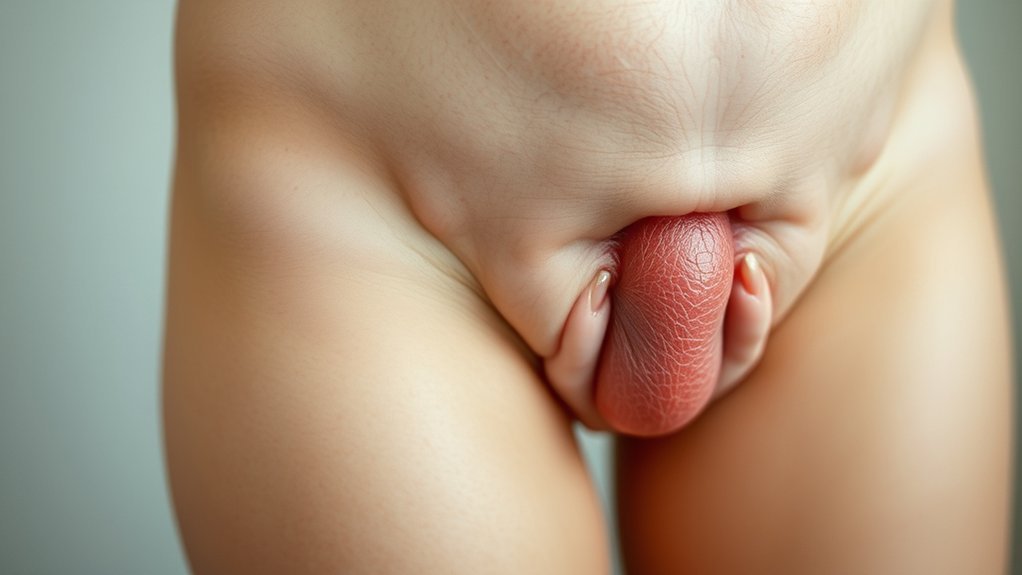
Postpartum hemorrhoids are swollen veins in the rectum or around the anus after childbirth. They can cause discomfort, pain, itching, swelling, and bright red bleeding during bowel movements.
Hemorrhoids can be internal or external. Internal hemorrhoids form inside the rectum, while external hemorrhoids form under the skin around the anal opening.
Swollen veins in the rectum or anus can cause discomfort, pain, itching, and bleeding during bowel movements.
Pregnancy and birth can increase pressure on pelvic and rectal veins. Hormone changes, constipation, and pushing during labor can add more strain.
Many postpartum hemorrhoids improve with home care, but healing time varies. Some symptoms ease within days, while others may take several weeks to settle.
Warm sitz baths, more fiber, more fluids, and gentle bowel habits can help reduce discomfort. These steps may also help prevent constipation.
What Causes Postpartum Hemorrhoids?
Postpartum hemorrhoids often happen when pregnancy and childbirth place extra pressure on the veins near your rectum. Constipation can make the problem worse because hard stools force you to strain.
Your risk may rise if you pushed for a long time, had constipation during pregnancy, or had a larger baby. Assisted delivery may also add pressure to the pelvic area.
Increased Pelvic Pressure
During pregnancy, your growing uterus puts pressure on pelvic veins. This pressure can slow blood flow and cause veins near the rectum to swell.
Hormone changes can also relax blood vessel walls. When veins stretch more easily, swelling and irritation can follow.
Constipation adds another source of pressure. Hard stools and straining can irritate swollen veins and make symptoms worse.
Straining During Labor
Pushing during labor can raise pressure inside your abdomen and pelvis. That pressure can enlarge rectal veins and trigger hemorrhoid symptoms after birth.
- Pushing can place direct pressure on rectal veins.
- Longer pushing may increase swelling and irritation.
- Constipation before or after delivery can add more strain.
- Inflamed rectal veins can cause pain, itching, or bleeding.
These symptoms can feel alarming, but they often respond to simple care. You should still watch for severe pain or heavy bleeding.
Symptoms of Postpartum Hemorrhoids
Postpartum hemorrhoids can cause discomfort in the anal area after birth. You may notice symptoms most during or after a bowel movement.
Discomfort in the anal area after childbirth is common, but severe pain or heavy bleeding needs medical care.
Common symptoms include itching, pain, swelling, and bright red blood on toilet paper or in the toilet. You may also feel tender lumps near the anus.
External hemorrhoids often hurt more because they sit near sensitive skin. Internal hemorrhoids may cause bleeding with less pain.
Mucus discharge can also appear on toilet paper. If symptoms last longer than a week, or if bleeding seems heavy, contact a healthcare provider.
Warning: Seek medical care right away if you have heavy rectal bleeding, severe pain, fever, chills, pus, or dizziness.
Community involvement in maternal health can help more parents receive care during pregnancy, birth, and recovery.
How Long Do Postpartum Hemorrhoids Last?
Postpartum hemorrhoids may last a few days, several weeks, or longer. Healing depends on swelling, constipation, your delivery, and how much strain the area still gets.
You may notice improvement within the first couple of weeks with home care. Larger or more irritated hemorrhoids can take longer to calm down.
Keep these points in mind:
- Mild postpartum hemorrhoids often improve with home treatment.
- Symptoms may return if constipation or straining continues.
- Symptoms that last more than seven days deserve a call to your healthcare provider.
- Heavy bleeding, severe pain, or worsening swelling needs prompt medical care.
Track your symptoms so you can explain them clearly during a postpartum checkup. Note bleeding, pain level, swelling, and what helps or worsens symptoms.
Postpartum Hemorrhoids Treatment
Postpartum hemorrhoid treatment usually starts with easing pain and preventing constipation. Your goal is to reduce pressure on swollen veins while the tissue heals.
Home care helps many mild cases. If discomfort persists, your healthcare provider may suggest medicine or an office procedure.
Clean drinking water supports overall health and can help you stay hydrated during recovery. Hydration matters even more if you breastfeed.
Home Remedies for Relief
Home remedies can ease mild postpartum hemorrhoid symptoms. Use gentle care and avoid anything that stings or irritates the area.
- Sitz bath: Sit in warm water for 10 to 15 minutes to soothe pain and swelling.
- Cold pack: Wrap an ice pack in cloth and apply it for short periods to reduce discomfort.
- Witch hazel: Apply witch hazel pads to calm itching and irritation.
- High-fiber foods: Eat fruits, vegetables, beans, and whole grains to soften stools.
Drink enough water through the day to support regular bowel movements. Ask your healthcare provider before using laxatives, suppositories, or medicated creams while breastfeeding.
Pro tip: Keep a water bottle and high-fiber snacks near your nursing or pumping spot to make hydration easier.
Medical Treatment Options
Over-the-counter creams or pads may help reduce itching and swelling. Some products contain hydrocortisone, witch hazel, or local numbing ingredients.
Ask your healthcare provider which products fit your situation, especially if you breastfeed or had stitches. Avoid using medicated products longer than directed.
If symptoms don’t improve, your provider may discuss treatments such as rubber band ligation or sclerotherapy. Severe or thrombosed hemorrhoids may need a procedure to relieve pain or remove a clot.
Follow-up care helps your provider check healing and rule out other causes of bleeding. Rectal bleeding after birth should not get ignored if it persists or worsens.
How to Prevent Postpartum Hemorrhoids
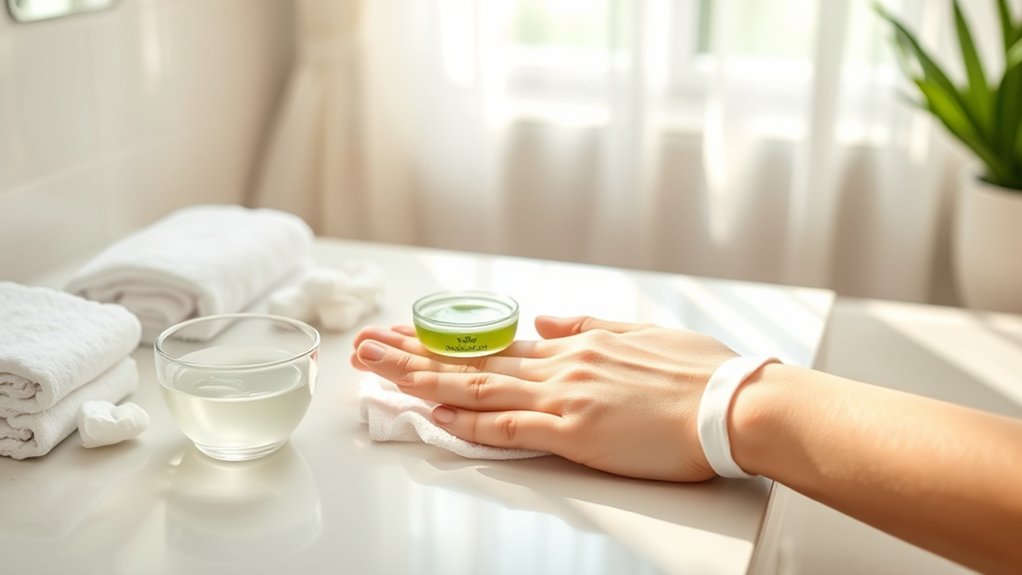
You may not prevent every postpartum hemorrhoid, but you can reduce strain. Focus on soft stools, gentle movement, and good bathroom habits.
Preventing constipation can lower pressure on rectal veins and make postpartum recovery more comfortable.
- Eat high-fiber foods: Choose fruits, vegetables, beans, oats, and whole grains.
- Drink enough water: Sip fluids often so stools stay easier to pass.
- Move gently: Take short walks when your provider says activity is safe.
- Use the bathroom when you feel the urge: Waiting can make stools harder.
- Avoid straining: Breathe slowly and give yourself time on the toilet.
Your provider may also suggest pelvic floor exercises, such as Kegels, when your body is ready. Stop any exercise that causes pain and ask for guidance.
When to Call the Doctor About Postpartum Hemorrhoids
Call your healthcare provider if postpartum hemorrhoid symptoms don’t improve after about a week of home care. You should also call sooner if symptoms interfere with sitting, walking, sleeping, or bowel movements.
Seek prompt care for severe pain, heavy bleeding, fever, chills, pus, or a rapidly growing lump. These symptoms may point to infection, a clot, or another condition that needs treatment.
Recurring hemorrhoids after your first postpartum weeks also deserve a checkup. Your provider can help confirm the cause and choose safe treatment.
Effective Home Remedies for Postpartum Hemorrhoids
Home remedies work best when you use them together. The goal is to calm irritation while making bowel movements easier.
Postpartum hemorrhoids can feel distressing, but simple home care may ease mild symptoms.
Try these steps:
- Increase fiber: Add fruits, vegetables, beans, and whole grains to soften stool.
- Drink water: Keep fluids nearby and sip often, especially while breastfeeding.
- Use warm sitz baths: Soak for 10 to 15 minutes to reduce soreness.
- Apply witch hazel: Use pads or cotton balls to ease itching and irritation.
- Use cold therapy: Apply a wrapped cold pack for short periods to reduce swelling.
Avoid harsh wiping, scented products, and long toilet sessions. These habits can make swelling and itching worse.
Note: If you had a tear, episiotomy, or stitches, ask your provider which wipes, creams, and baths are safe for you.
The Importance of Seeking Professional Help
Many new mothers feel embarrassed to discuss hemorrhoids, but your provider handles these concerns often. Clear symptoms help your provider rule out fissures, infection, or other bowel issues.
Professional care matters if you have rectal bleeding, severe pain, or symptoms that keep returning. Your provider can suggest safe medicine, stool softeners, procedures, or diet changes based on your recovery.
Regular postpartum checkups also give you a safe place to talk about pain, constipation, and bleeding. Discussing maternal health conditions can support a more complete recovery plan.
Frequently Asked Questions
When should you worry about hemorrhoids postpartum?
You should call a healthcare provider if you have severe pain, heavy rectal bleeding, fever, pus, or symptoms that don’t improve after a week. Get urgent help if bleeding feels heavy or you feel weak, faint, or dizzy.
How can you sit with hemorrhoids postpartum?
Sit on a soft cushion and shift positions often to reduce pressure. You can also lie on your side when possible and take short standing breaks.
How long do hemorrhoids take to heal after birth?
Mild hemorrhoids may improve within days or weeks, especially when you prevent constipation. More swollen or painful hemorrhoids can take longer, so call your provider if symptoms linger or worsen.
How do you treat hemorrhoids after giving birth?
Start with fiber, fluids, warm sitz baths, cold packs, and gentle wiping. Ask your provider about creams, stool softeners, or procedures if home care does not help.
Can postpartum hemorrhoids bleed?
Yes, hemorrhoids can cause bright red blood during or after bowel movements. Call your provider if bleeding is heavy, dark, mixed into stool, or paired with severe pain.
Medical Disclaimer: This article is for informational purposes only and does not constitute professional medical advice. Always consult a qualified doctor before making decisions based on this information.
Conclusion
Postpartum hemorrhoids can feel painful and frustrating, but most mild cases improve with gentle care and less straining. Focus on soft stools, warm soaks, hydration, and rest when you can.
Call your healthcare provider if pain, swelling, or bleeding gets worse or does not improve. Getting help early can protect your recovery and help you feel more comfortable as you care for your baby.
References
- Maternal Health Resources — Every Mother Counts
- Clean Drinking Water Information — United States Environmental Protection Agency
- Maternal Health Conditions — MotherToBaby