
What Is Lochia or Postpartum Bleeding?
Postpartum bleeding can surprise you, even when your birth went well. The color, flow, and smell can change day by day, which makes it hard to know what feels normal. This guide explains the main lochia stages, how long they may last, and when you should contact your healthcare provider.
Quick Answer
Lochia is the vaginal discharge your body releases after childbirth. It often starts red and heavy, then changes to pinkish-brown, and later becomes yellowish-white. Call your healthcare provider if you soak a pad in less than an hour, pass large clots, have fever, severe pain, or notice a foul smell.
Key Takeaways
- Lochia is normal vaginal discharge after childbirth and can last several weeks.
- The flow often changes from red to pinkish-brown, then to yellowish-white.
- Small clots can happen, but clots larger than a golf ball need medical attention.
- Heavy bleeding, fever, severe pain, or a foul smell can signal a problem.
- Use pads, avoid tampons, and contact your provider if your bleeding worries you.
What Is Lochia or Postpartum Bleeding?
Lochia, also called postpartum bleeding, is a natural discharge that occurs after childbirth. It contains blood, mucus, and tissue from the uterine lining.
At first, you may notice lochia rubra. This stage has dark red or bright red discharge and often lasts three to four days.
Lochia often starts as dark red or bright red discharge, then becomes lighter as your uterus heals.
Next, the discharge may shift to lochia serosa. This stage looks pinkish-brown and often lasts from about day four to day twelve.
Lochia alba follows later. This discharge often looks yellowish-white and can continue from about day twelve up to six weeks.
Normal postpartum bleeding can last four to eight weeks. Track the color, flow, smell, and clot size so you can notice changes early.
Is Postpartum Bleeding Normal?
Postpartum bleeding, or lochia, is a normal part of recovery after childbirth. It can happen after a vaginal birth or a cesarean section.
You may notice that lochia changes in color and texture over time. It often shifts from bright red to pinkish-brown, then to yellowish-white.
You should still monitor your bleeding for warning signs. Heavy flow, a foul smell, fever, severe pain, or large clots may need medical attention.
Understanding Lochia Stages
After giving birth, you may notice a discharge called lochia. This discharge helps your body clear blood and tissue as your uterus heals.
Lochia usually moves through three stages: Lochia Rubra, Lochia Serosa, and Lochia Alba.
- Lochia Rubra: This stage has dark red discharge, often lasts three to four days, and may include small clots.
- Lochia Serosa: This stage looks pinkish-brown and often lasts from about day four to day twelve.
- Lochia Alba: This stage looks yellowish-white and can last up to six weeks.
Some change in flow can happen during recovery. Seek medical attention if you soak a pad in under an hour or notice foul-smelling discharge.
Normal vs. Abnormal Bleeding
Bleeding after childbirth can last between four and eight weeks. This postpartum bleeding, known as lochia, usually moves through lochia rubra, lochia serosa, and lochia alba.
Normal lochia may include small blood clots. Clots larger than a golf ball can signal a problem and need medical advice.
Call your healthcare provider if you soak a pad in less than an hour or notice a sudden increase in bleeding. Lochia may have a smell similar to menstrual blood, but a foul or fishy smell may point to infection.
Warning: Heavy bleeding, large clots, fever, chills, or severe pain need prompt medical advice.
Monitoring Recovery Progress
As your body heals from childbirth, tracking lochia can help you notice problems early. Watch the color, amount, smell, and any clots.
Lochia can vary in color and flow. It often changes from lochia rubra to lochia serosa and then to lochia alba.
| Stage | Duration |
|---|---|
| Lochia Rubra | 3-4 days (dark red) |
| Lochia Serosa | 4-12 days (pinkish-brown) |
| Lochia Alba | 12 days to 6 weeks (yellowish-white) |
| Heavy Bleeding | Soaking two pads in < 1 hour |
| Warning Signs | Foul discharge, large clots, fever, severe pain |
Consult your healthcare provider if you notice abnormal discharge, heavy bleeding, or symptoms that feel unusual for you.
How Long Does Postpartum Bleeding (Lochia) Last?
Postpartum bleeding, or lochia, usually lasts between four and eight weeks after delivery. Your flow may not match someone else’s exact timeline.
The duration and intensity can vary based on your body, delivery type, feeding method, and recovery. You should still see the flow get lighter over time.
If you experience heavy bleeding or notice abnormal discharge, contact your healthcare provider. Fast support can help protect your recovery.
Duration of Lochia Stages
Understanding the duration of lochia stages can help you track your postpartum period. Lochia often lasts four to six weeks, though some people bleed longer.
The first stage, Lochia Rubra, lasts about three to four days. It often includes dark red discharge and may include small clots.
Lochia Serosa often starts around day four and can last to about day twelve. This discharge usually looks pinkish-brown and tends to feel lighter.
Lochia Alba often starts around day twelve and can last up to six weeks. It usually looks yellowish-white and has little to no blood.
Factors Influencing Bleeding Length
The duration of lochia can vary from person to person. Several factors can affect how long your bleeding lasts.
- Delivery type: Vaginal birth and cesarean birth can lead to different recovery patterns.
- Breastfeeding: Breastfeeding may trigger uterine contractions, which can change your bleeding pattern.
- Uterine healing: Your uterus needs time to shrink and clear remaining tissue.
- Birth complications: Heavy bleeding, retained tissue, or infection can affect recovery.
Talk with your healthcare provider if your bleeding feels outside your normal range. They can help you understand what your body needs.
When to Seek Help
Knowing when to seek medical help can protect your health during the lochia stages. Do not wait if your bleeding feels heavy or sudden.
Postpartum bleeding often starts with lochia rubra, which includes bright red discharge. If bright red bleeding stays heavy beyond a week, contact your healthcare provider.
Seek urgent help if heavy bleeding soaks a pad in less than an hour. Excessive blood loss can become serious and needs quick care.
You should also call for help if you have fever, chills, severe pain, dizziness, or a foul smell. These symptoms can point to infection or another complication.
What Are the Stages of Lochia?
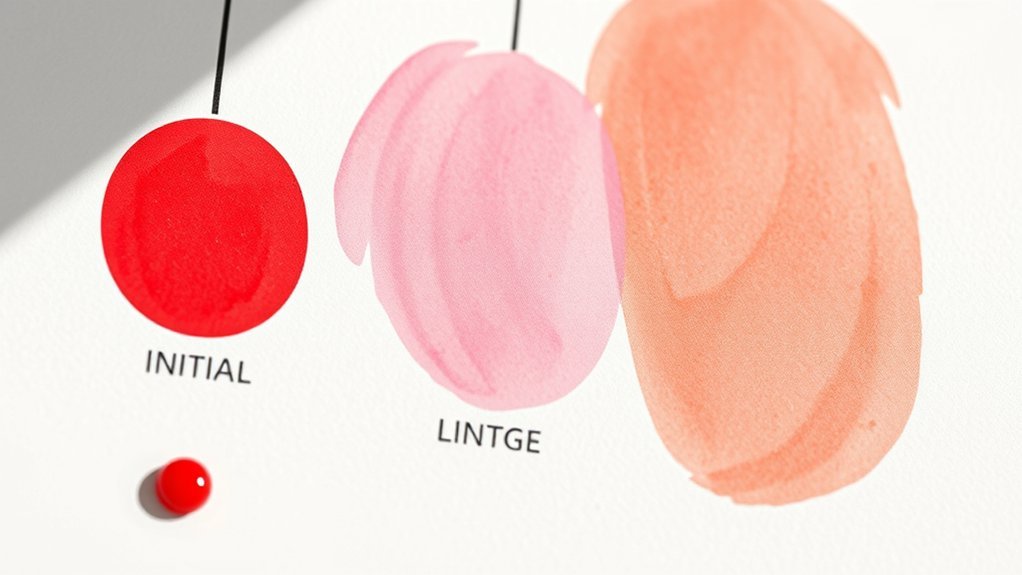
As your body begins to recover after childbirth, you’ll move through three common lochia stages. These stages include Lochia Rubra, Lochia Serosa, and Lochia Alba.
Lochia Rubra occurs during the first three to four days postpartum. It often looks dark red or bright red, similar to a heavy menstrual period, and may contain small clots.
Lochia Serosa often appears from days four to twelve. It usually looks pinkish-brown, feels thinner, and contains less blood than lochia rubra.
Lochia Alba often appears around day twelve and can last up to six weeks. It usually looks yellowish-white and has little to no blood or clots.
These stages reflect the healing process of your uterus. The volume should usually decrease as your recovery continues.
When Should You Seek Help?
You should seek medical help during the lochia stages if your bleeding becomes heavy, sudden, or worrying. Heavy bleeding may point to postpartum hemorrhage.
Get urgent help if you soak through a pad in less than an hour or keep bleeding heavily for several hours. Do the same if you feel faint, dizzy, weak, or short of breath.
Contact your healthcare provider if you pass large blood clots, especially clots larger than a golf ball. A sudden return of heavy bleeding after it had lightened also needs medical advice.
Foul-smelling discharge, fever, chills, or severe abdominal pain can signal infection or another concern. Quick care can help you recover safely.
How to Manage Lochia at Home?
Managing lochia at home can support your recovery during the postpartum period. Use heavy-duty sanitary pads during the first few days, then switch to regular pads as your flow decreases.
Change pads often, such as every two to three hours, to support hygiene and reduce odor. Avoid tampons and vaginal inserts for at least six weeks unless your provider gives different advice.
Watch the color and flow of lochia. Sudden changes, foul odor, or excessive bleeding may require medical attention.
Practice good hygiene by washing your hands before and after changing pads. Shower regularly and follow any recovery instructions from your healthcare provider.
Effective home care can support your postpartum care and healing process. Understanding the importance of community involvement in maternal health can also help you find support during recovery.
Pro tip: Keep a small pad-changing kit near your bed, bathroom, and feeding area for easier care.
Frequently Asked Questions
How Long Does Each Stage of Lochia Last?
Lochia rubra lasts about three to four days. Lochia serosa often lasts from day four to day twelve, and lochia alba can continue from day twelve to six weeks.
How to Know Lochia Has Ended?
You’ll know lochia has likely ended when discharge becomes very light or stops. You should also stop seeing bright red blood for several days.
How to Know if Lochia Is Infected?
Lochia may need medical attention if it smells foul, looks green, or comes with fever or chills. Large clots, severe pain, or heavy bleeding also need prompt care.
When Does Lochia Stop Smelling?
Lochia often has a mild smell similar to menstrual blood. A strong, foul, or fishy smell should not be ignored, especially with pain or fever.
Can Activity Make Lochia Heavier?
Your bleeding may seem heavier after more activity or after breastfeeding. Rest and monitor the flow, then call your provider if heavy bleeding continues.
Medical Disclaimer: This article is for informational purposes only and does not constitute professional medical advice. Always consult a qualified doctor, midwife, or healthcare provider before making decisions based on this information.
Conclusion
Understanding the stages of lochia helps you follow your postpartum recovery with more confidence. Most bleeding changes from red to lighter discharge as your uterus heals.
Use pads, watch your symptoms, and rest when your body needs it. Contact your healthcare provider if bleeding becomes heavy, smells foul, or comes with fever, large clots, or severe pain.
You deserve support during this recovery period. A quick call for medical advice can give you peace of mind and help keep your healing on track.