
Facing the risk of miscarriage can be overwhelming, but knowing what helps and what doesn’t can make a real difference. Prioritizing a healthy lifestyle and staying in close contact with your healthcare provider are key steps. So is understanding what to avoid, like harmful substances and unnecessary self-blame. Caring for your emotional well-being matters just as much as the physical side.
Quick Answer
- Most miscarriages are caused by chromosomal abnormalities, not anything the mother did.
- Healthy habits like balanced nutrition, moderate exercise, and avoiding alcohol and tobacco can help reduce risk.
- Regular prenatal check-ups and open communication with your doctor are essential.
- Emotional support from loved ones, counselors, or support groups plays a big role in recovery.
Understanding Miscarriage: What You Need to Know

Miscarriage, often referred to as spontaneous abortion, is a distressing event that can affect many women during early pregnancy. It typically occurs within the first 20 weeks and can result from various factors, including chromosomal abnormalities, hormonal issues, or underlying health conditions.
You are not alone in this experience. Many women go through a similar loss, and the feelings that follow, including sadness, anger, and confusion, are all completely normal. Recognizing those emotions is an essential part of the healing process.
If you suspect a miscarriage, seek medical advice as soon as possible. Early evaluation can provide clarity and guide next steps. Give yourself time to grieve, and seek support from loved ones or a professional when you need it. For a detailed clinical overview, Mayo Clinic’s overview of miscarriage is a reliable starting point.
Signs of Miscarriage to Watch For
Knowing what to watch for can help you act quickly if something feels wrong. Common signs of a possible miscarriage include:
- Vaginal bleeding or spotting (light or heavy)
- Cramping or pain in the lower abdomen or back
- Tissue or fluid passing from the vagina
- A sudden drop in pregnancy symptoms, such as nausea or breast tenderness
These symptoms do not always mean a miscarriage is occurring. Spotting, for example, can happen in healthy pregnancies. Still, any of these signs warrant a prompt call to your healthcare provider. Do not wait to see if symptoms resolve on their own.
Healthy Lifestyle Choices to Reduce Risk

Maintaining a healthy lifestyle can greatly impact your pregnancy and help reduce the risk of miscarriage. Focus on balanced nutrition, with plenty of fruits, vegetables, whole grains, and lean proteins. Stay hydrated and limit caffeine and sugar intake.
Regular exercise matters too. Moderate activities like walking or swimming can improve circulation and overall well-being. Managing stress through mindfulness, yoga, or relaxation techniques is also beneficial.
Avoid harmful substances, including tobacco and alcohol, as they can considerably increase your risk. Prioritize sleep and get adequate rest to support your body through this time.
Medical Considerations and Regular Check-ups
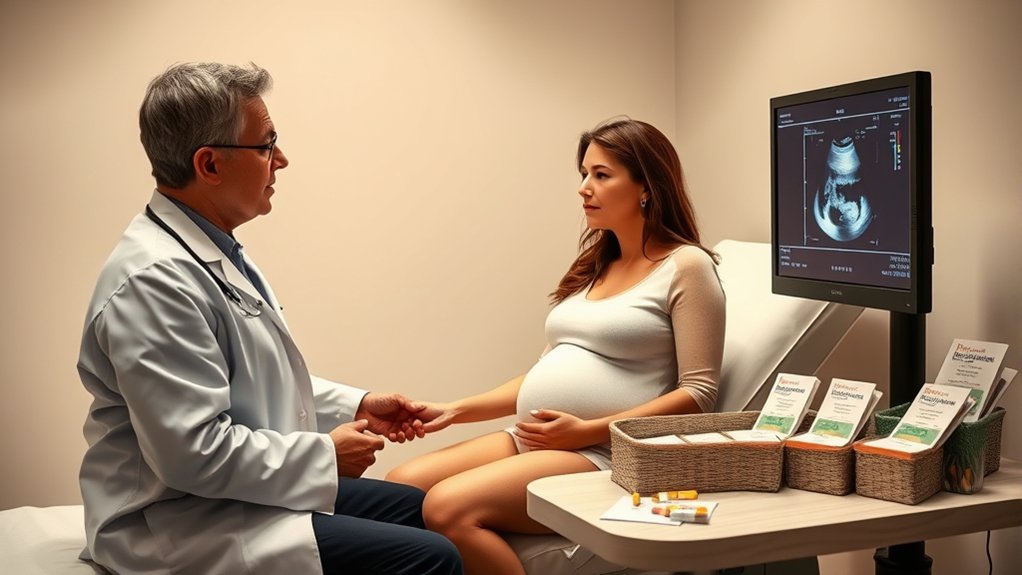
Prenatal appointments are one of the most important things you can do during pregnancy. Regular check-ups allow your healthcare provider to monitor your health and your baby’s development, and to catch any potential complications early.
Discuss any pre-existing conditions or concerns with your doctor. That information shapes your care plan. Routine screenings and blood tests can also help assess your personal risk factors.
Ask questions at every visit. Staying informed helps you feel more confident and less anxious. Open communication with your provider creates a supportive environment, and that matters throughout your pregnancy.
Staying on top of these medical steps can greatly reduce miscarriage risks.
Emotional Well-being and Support Systems
Emotional well-being plays an essential role in your pregnancy journey, especially when navigating potential risks. Feeling anxiety or fear is completely normal, and those feelings deserve attention.
Surround yourself with supportive individuals, whether family, friends, or professionals, who can listen and provide comfort. Talking openly with your partner about your emotions builds a strong foundation of support.
Surround yourself with supportive individuals and communicate openly with your partner to strengthen your emotional support system.
Consider counseling or a support group. Sharing experiences with others who understand can ease feelings of isolation. Prioritizing self-care through relaxation techniques or activities you enjoy also helps sustain your emotional health.
Reach out when you need help. Nurturing your emotional well-being creates a healthier environment for both you and your developing baby.
Common Myths and Misconceptions About Miscarriage
Myths and misconceptions about miscarriage can lead to unnecessary guilt and anxiety. Here are four common ones worth clearing up:
- You caused the miscarriage: Most miscarriages occur due to chromosomal abnormalities, not anything you did.
- Miscarriage is rare: Approximately 10–20% of known pregnancies end in miscarriage, making it far more common than many people realize.
- You can always prevent a miscarriage: Many factors are beyond your control. Healthy habits reduce risk, but they cannot eliminate it entirely.
- It’s safe to try again immediately: Most providers advise waiting at least one menstrual cycle before trying again, giving your body time to recover. Your doctor can offer guidance based on your specific situation.
Understanding these myths can help you move through this experience with more clarity and less self-blame.
Frequently Asked Questions
Can Stress Directly Cause a Miscarriage?
Stress does not directly cause a miscarriage, but it can affect your overall health. Managing stress through relaxation techniques, counseling, or support can help maintain a healthier environment for your pregnancy.
Is It Safe to Travel During Pregnancy?
Traveling during pregnancy is generally safe if you are healthy. Stay hydrated, avoid very long trips in late pregnancy, and check with your healthcare provider for advice tailored to your situation.
What Medications Should Be Avoided During Early Pregnancy?
Medications like NSAIDs, certain antibiotics, and some herbal supplements are typically not recommended during early pregnancy. Always check with your healthcare provider before taking anything, to make sure it is safe for you and your baby.
How Does Age Affect Miscarriage Risk?
Age plays a significant role in miscarriage risk. Older individuals often face higher chances, partly due to a higher likelihood of chromosomal abnormalities in the egg. Every situation is different, so staying informed and working closely with your provider is the best approach.
Are There Specific Foods to Avoid When Pregnant?
Raw seafood, unpasteurized dairy, and high-mercury fish like shark or swordfish should be avoided during pregnancy. These foods carry health risks for you and your developing baby. Stick to well-cooked, nutritious options whenever possible.
Conclusion
The risk of miscarriage can feel overwhelming, but you do not have to navigate it alone. Prioritizing a healthy lifestyle, maintaining open communication with your healthcare provider, and leaning on your support system all make a genuine difference. Some factors are beyond anyone’s control, but the choices you make matter. Like a compass in unfamiliar waters, staying informed and connected can help guide you through. Hold onto hope and healing.