
The anatomy scan is a key part of prenatal care, usually done between 18 and 22 weeks of pregnancy. It gives your healthcare provider a detailed look at your baby’s growth and development. Some symptoms before or after the scan, like persistent abdominal pain or sudden swelling in your hands and feet, can point to complications worth discussing with your doctor. Knowing what to look for can help you feel more prepared going into the appointment.
Quick Answer
- The anatomy scan happens between 18 and 22 weeks and checks your baby’s organs, limbs, placenta, and amniotic fluid.
- Watch for symptoms like unusual abdominal pain, bleeding, severe headaches, vision changes, or decreased fetal movement before the scan.
- It’s normal to feel both excited and anxious. Talking to a partner, friend, or counselor can help.
- After the scan, follow up with your provider to go over results and discuss any next steps.
Importance of the Anatomy Scan

The anatomy scan, also called the mid-pregnancy ultrasound, is a standard part of prenatal care. It typically takes place between 18 and 22 weeks of pregnancy.
During the scan, your healthcare provider checks your baby’s organs, limbs, and overall physical development. They also look at the placenta’s position and the level of amniotic fluid surrounding your baby.
One of the scan’s main benefits is early detection. If something looks unusual, your provider can recommend follow-up tests or specialist referrals sooner rather than later. For many parents, the scan also offers reassurance that their baby is growing on track. You can learn more about what the scan involves from the Mayo Clinic’s fetal ultrasound overview.
Common Symptoms Indicating Potential Issues

Most pregnancies go smoothly, but certain symptoms deserve a call to your healthcare provider. Persistent abdominal pain can be a sign of complications like an ectopic pregnancy or placental issues.
Unexplained bleeding or spotting may signal miscarriage or other problems. Severe headaches, vision changes, or sudden swelling of the hands and feet can point to preeclampsia, a condition that affects blood pressure during pregnancy.
A significant drop in fetal movement, especially in the third trimester, needs immediate attention. Catching these symptoms early gives your provider the chance to step in quickly. If anything feels off, contact your healthcare provider without delay. Your health and your baby’s health come first.
Signs to Monitor Before the Scan
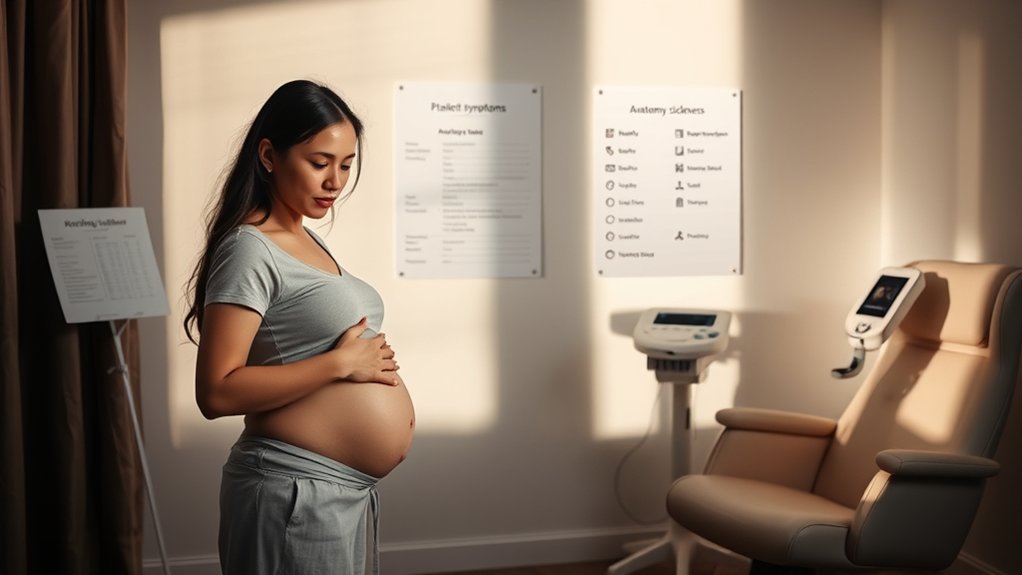
Paying attention to how you feel in the weeks leading up to your anatomy scan can be valuable. Note any unusual abdominal pain, since this could point to an underlying issue worth discussing.
Spotting or heavy bleeding should be reported to your provider right away. Severe headaches or visual disturbances can also be linked to conditions like preeclampsia and should not be ignored.
Watch for changes in fetal movement, particularly a noticeable decrease. Also keep an eye on swelling, especially in your hands and face. Tracking these symptoms gives you concrete details to share with your provider, which helps them assess your situation more thoroughly at your appointment.
Emotional Preparedness for the Anatomy Scan
It’s completely normal to feel a mix of emotions heading into your anatomy scan. Excitement, anxiety, and uncertainty can all show up at once. A few simple strategies can help you stay grounded.
| Emotion | Strategy | Expected Outcome |
|---|---|---|
| Anxiety | Practice deep breathing | Reduced stress levels |
| Excitement | Visualize positive outcomes | Increased optimism |
| Uncertainty | Discuss concerns with a partner | Enhanced support |
Acknowledging how you feel, rather than pushing it aside, can help you approach the scan with a clearer head. Support from friends, family, or a counselor is always an option if you need it.
Post-Scan Considerations and Next Steps
Once your scan is done, understanding the results and knowing what to do next are both important. Here are four steps to take after your appointment:
Understanding your anatomy scan results is crucial for planning your next steps and addressing any concerns.
- Review Results with Your Provider: Schedule a follow-up to go over findings and any concerns.
- Ask Questions: Prepare questions about any abnormalities or additional tests that may be needed.
- Emotional Support: If the results are concerning, lean on friends, family, or a counselor for support.
- Plan for Next Steps: Your provider may recommend additional imaging or monitoring depending on what the scan showed.
Frequently Asked Questions
How Is the Anatomy Scan Performed?
You lie on an examination table while a technician applies gel to your abdomen. They use a handheld device called a transducer to capture images of your baby’s organs and measure growth, checking for any potential issues.
What Happens if Abnormalities Are Detected?
Your healthcare provider will walk you through what the findings mean and what comes next. They may recommend further testing or a referral to a specialist, and they’ll help you understand your options at each stage.
Can I Bring Someone to the Scan?
Yes, most facilities welcome a support person. Check with your clinic beforehand, as some have policies on how many people can attend.
Are There Any Risks Involved With the Scan?
Anatomy scans are generally considered safe. Minimal risks exist, such as misreading results or added anxiety from uncertain findings. Talk to your provider ahead of time if you have specific concerns.
How Long Does the Anatomy Scan Take?
The scan usually takes between 30 and 60 minutes. You’ll lie comfortably while the technician captures detailed images of your baby’s development.
Conclusion
The anatomy scan is one of the most informative appointments in your pregnancy. Research suggests it can detect a significant proportion of major congenital anomalies, though detection rates vary depending on scan quality, timing, and the condition involved. Staying alert to symptoms like abdominal pain or reduced fetal movement gives your provider the best chance to act early. Emotional preparation matters too. This scan can bring real joy and real nerves at the same time. After your appointment, talk through the results with your healthcare provider so you have a clear picture of what, if anything, comes next.

