
Recovering from a TOLAC (trial of labor after cesarean) can feel overwhelming, but knowing what to do and what to avoid makes a real difference. Rest is your top priority, and paying close attention to your body’s signals matters just as much. The sections below cover the essentials so you can heal effectively and feel more in control.
Quick Answer
- Rest as much as possible, especially in the first week.
- Stay hydrated and eat whole, nutrient-dense foods to support healing.
- Avoid lifting more than 10–15 pounds for the first few weeks.
- Watch for warning signs like heavy bleeding, fever, or unusual pain and contact your provider promptly.
- Ask for help at home; you don’t have to manage recovery alone.
[Products Worth Considering]

POST SURGERY PROTECTION: Post mastectomy recovery, breast surgery recovery, breast augmentation recovery, heart surgery, breast reduction recovery, chemotherapy , breast reconstruction recovery, C-section recovery, chemo ports recovery, bypass hysterectomy recovery, and more.

Ergonomic Design: Yojoker triangle pillow fits perfectly to the curve of the spine and is ergonomically designed,delivering optimal support to the neck and spine. The wedge pillow for acid refluxaids in alleviating pressure on the neck and back

THE PERFECT RECOVERY COMPANION - Keep incisions supported and safe from kids, pets, & seatbelts. Experience the ultimate hysterectomy recovery pillow that’s designed to fit the contours of your body comfortably.
Understanding the Recovery Timeline
Recovery from a TOLAC follows a general pattern, though everyone’s experience is different.
The first few days focus on monitoring your physical health and emotional well-being. Fatigue is normal — ask for help and rest when you can.
By one week, most people notice some improvement, though mild discomfort may continue.
Around two weeks, light activities typically become manageable. Listen to your body and don’t push past what feels comfortable.
At six weeks, you’ll have a follow-up appointment to review your healing progress and discuss next steps.
Pain Management Strategies
Having a clear plan for managing pain makes recovery much easier. Start by talking openly with your healthcare provider about your pain levels. They can prescribe medications suited to your situation. Over-the-counter pain relievers can also help, but always follow your doctor’s guidance on what’s safe.
Non-medication options are worth trying too. Gentle stretching, heat pads, and slow breathing exercises can ease discomfort and improve your overall comfort level.
Above all, protect your rest. Your body needs time and energy to heal. Lean on supportive friends and family — you don’t have to do this alone. Take it one day at a time.
Importance of Hydration
Staying hydrated is one of the simplest and most effective things you can do for your recovery.
Benefits of Staying Hydrated
Proper hydration directly supports your body’s healing process by keeping circulation and digestion running smoothly.
It also helps fight fatigue, making daily tasks and newborn care more manageable. If you’re breastfeeding, drinking enough fluids supports milk production so your baby gets the nutrients they need.
Staying hydrated can also improve your mood and mental clarity — both of which matter a lot during this period of adjustment.
Signs of Dehydration Risk
Watch for dark yellow urine, dry mouth, or persistent fatigue — these are early signs your body needs more fluids.
Dizziness or confusion can signal a more serious issue. If you’re breastfeeding or experiencing heavy bleeding, your fluid needs are even higher.
Weakness or a rapid heartbeat are signs to contact your healthcare provider. Your body’s healing process depends on adequate hydration, so keeping water intake consistent is worth the effort.
Dietary Considerations
What you eat during TOLAC recovery has a real effect on how quickly you heal.
Focus on whole foods packed with vitamins and minerals: fruits, vegetables, lean proteins, and whole grains. These support your energy and help your body repair itself. A balanced diet also strengthens your immune system and lowers disease risk, which matters especially during recovery.
Drink plenty of water alongside your meals. Steer clear of processed foods, excess sugar, and unhealthy fats, as they can slow your progress. If certain foods cause discomfort, adjust and try something else.
[Products Worth Considering]

𝐁𝐞𝐲𝐨𝐧𝐝 𝐌𝐢𝐥𝐤 𝐒𝐭𝐨𝐫𝐚𝐠𝐞: Tired of juggling multiple bottles? Our wide-mouth connection seamlessly docks with most wide-neck pumps and nipples. One milk container handles expression, storage, and feeding — minimizing components requiring cleaning.

CONVENIENT HYDRATION - Relax knowing that your water is always in reach. The external clip keeps the straw attached to your clothing. With a 47-inch long straw, enjoy hands-free hydration, even while lying down. 2.2 Liter capacity means less refills. A mom water bottle that easily and comfortably increases your water intake to support overall health.

Package included 1pcs soft flask (500ml)
Activities to Avoid
Your body is in a sensitive recovery phase. Some activities can set you back if you return to them too soon.
Heavy Lifting Restrictions
Lifting heavy objects puts strain on your healing body and can lead to complications. For the first few weeks, avoid lifting anything heavier than 10–15 pounds.
Here’s a simple guide to help you:
| Activity | Safe Weight Limit | Recommended Action |
|---|---|---|
| Grocery bags | 10-15 pounds | Use a cart or ask for help |
| Laundry baskets | 10-15 pounds | Split into smaller loads |
| Childcare (infants) | 10-15 pounds | Seek assistance when needed |
| Heavy furniture | No lifting | Hire professionals |
Ask for help when you need it. Your recovery comes first.
Strenuous Exercise Limitations
High-impact exercise too soon after a TOLAC can cause complications or setbacks. Give your body the time it needs.
Avoid these activities during recovery:
- Running or Jogging — The impact strains healing tissues.
- High-Intensity Interval Training (HIIT) — Too demanding on your body right now.
- Heavy Weightlifting — Your core needs time to recover, even if you feel strong.
Check with your healthcare provider before resuming any physical activity. Your health comes before any fitness goal.
Signs of Complications
Knowing which symptoms to watch for can protect your health and give you peace of mind.
Stay vigilant for unusual abdominal or pelvic pain during your TOLAC recovery; it may signal a complication.
Pay close attention to unusual pain, especially in your abdomen or pelvis. Heavy bleeding or discharge beyond what’s expected deserves prompt attention.
Fever, chills, or persistent headaches can signal infection. Shortness of breath or chest pain should never be ignored. Trust your instincts; your body often signals when something is wrong before it becomes obvious.
Staying aware of these signs helps you navigate recovery more confidently and catch any issues early. Being informed about the risks associated with preeclampsia and related disorders can also help you recognize potential complications sooner.
When to Reach Out for Help
Knowing when to call for help is just as important as knowing what to do at home. Here are three situations that call for reaching out:
- Severe Pain: If pain is persistent or getting worse and isn’t managed by your prescribed medication, contact your provider.
- Signs of Infection: Fever, chills, or unusual discharge may indicate an infection that needs prompt treatment.
- Emotional Distress: Feeling overwhelmed, anxious, or depressed is common after birth. Reaching out for support is a sign of strength, not weakness. Help is available.
Frequently Asked Questions
Can I Resume Sexual Activity After TOLAC Recovery?
Most people can resume sexual activity when their body feels ready, typically around six weeks postpartum. Listen to your body, communicate with your partner, and check with your healthcare provider if you have any concerns.
Will I Need Assistance at Home During Recovery?
Yes, most people benefit from having help at home during recovery. Support with daily tasks lets you focus on healing. Don’t hesitate to ask for it.
How Long Should I Wait Before Driving Again?
Wait at least two weeks before driving. If pain or discomfort is still present, give yourself more time. Your safety and recovery matter most.
Are There Any Specific Exercises to Aid Recovery?
Gentle movement helps. Walking, pelvic floor contractions, and light stretching are good starting points. Always check with your healthcare provider before starting any new exercise routine.
Can I Take Over-The-Counter Medications During Recovery?
Generally, yes, but check with your healthcare provider first to confirm they’re safe for your specific situation.
Conclusion
As you work through your TOLAC recovery — like a graceful swan, not a clumsy duck — keep the basics in mind: rest, hydrate, and nibble on whole foods. Skip the heavy lifting, unless you’re trying to impress your gym buddy (not recommended). Watch for any red flags, and reach out for help without hesitation. You’re not just recovering; you’re mastering the art of patience. Embrace it, and before long, you’ll be back to your fabulous self.
[Products Worth Considering]

Premium Materials – Ellostar waist trainer trimmer belt is made of premium neoprene, polyester and latex, designed to be comfy, flexible and breathable.
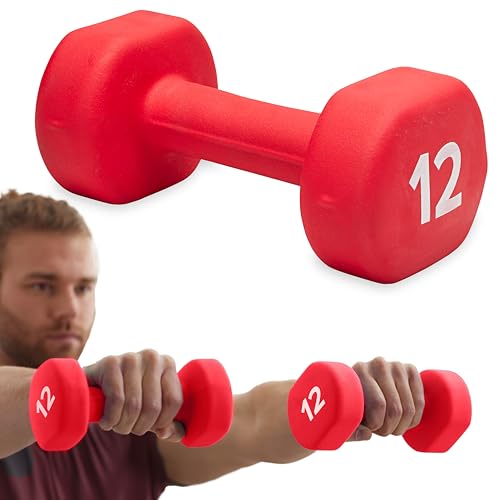
Durable Hand Weight - The cast-iron hand weight dumbbells are ideal for light weightlifting and muscle toning on a daily basis in the comfort of your home gym or at fitness classes. They area available in a variety of weight levels.

✅ Sizing- XL (36.5"- 41.5" Waist) -Measure your torso (back-to-belly) to find the right size trimmer for you. EXCELLENT WEIGHT LOSS BELT with adjustable strap support. Helps reduce inches from your waist immediately with adjustable compression. FORGET ABOUT PAIN - Tecnomed Back Brace gives you immediate & lasting relief from herniated disc, sciatica, Scoliosis, back pain, sore muscles and other back conditions. Wear it when you walk, bend, stretch, running, weightlifting or work.