Smoke exposure is like a silent thief, gradually stealing your health without warning. It’s vital to recognize the signs and understand the necessary steps to protect yourself and your loved ones. By identifying symptoms early and knowing how to respond, you can greatly reduce the risks involved. But what if you’re already feeling the effects? Let’s explore the immediate actions and long-term solutions to secure your safety and well-being.
Understanding Smoke Exposure
When you encounter smoke, whether from a wildfire, indoor fire, or other sources, it’s important to understand its potential effects on your health.
Smoke is a complex mixture of gases and fine particles that can irritate your respiratory system. The composition varies depending on the material burning, but common components include carbon monoxide, volatile organic compounds, and particulate matter.
Smoke is a complex blend of gases and particles that can irritate your lungs, varying based on the materials burned.
Exposure can lead to inflammation and exacerbate pre-existing conditions like asthma or COPD. Even short-term exposure can compromise lung function.
It’s vital to recognize that individual responses to smoke differ; some may experience severe effects while others may feel little impact.
Ultimately, understanding smoke exposure empowers you to make informed decisions about your safety and well-being in smoky environments.
Common Symptoms of Smoke Exposure
When you’re exposed to smoke, you might notice several common symptoms that can affect your health.
Respiratory issues, skin irritation, and eye discomfort are among the most prevalent reactions you could experience.
Recognizing these symptoms early is essential for managing your well-being.
Respiratory Issues
Smoke exposure can lead to a variety of respiratory issues, with symptoms that often manifest quickly and can vary in severity.
You might experience these common symptoms:
- Coughing: Persistent coughing can be your body’s way of trying to clear the irritants.
- Shortness of Breath: You may find it harder to breathe, especially during physical activities.
- Chest Tightness: A feeling of constriction in your chest is another common reaction to smoke.
Recognizing these symptoms is vital for timely intervention.
If you notice these issues, it’s important to minimize further exposure and seek medical advice.
Understanding your body’s responses empowers you to take control of your health and well-being in the face of harmful smoke exposure.
Skin Irritation
Exposure to smoke doesn’t just affect your respiratory system; it can also lead to noticeable skin irritation.
You might experience redness, dryness, or even rashes after being exposed to smoke. These symptoms arise due to the harmful chemicals and particulates in smoke, which can compromise your skin’s barrier function.
Inflammation may occur as your skin reacts to these irritants, causing discomfort and sensitivity. You may also notice itchiness or peeling skin in affected areas.
To mitigate these effects, it’s essential to cleanse your skin gently and apply soothing moisturizers. If irritation persists, consider consulting a healthcare professional.
Staying informed about smoke exposure can empower you to take proactive steps in protecting your skin and overall health.
Eye Discomfort
Although you mightn’t immediately associate smoke with eye discomfort, the reality is that harmful particulates and irritants can easily affect your eyes.
When exposed to smoke, you might experience several symptoms that can disrupt your daily life. These symptoms may include:
- Redness: Your eyes can become inflamed and irritated, leading to a noticeable change in color.
- Itching and Burning: You may feel a persistent urge to scratch or rub your eyes due to irritation.
- Tearing: Your eyes might produce excess tears in response to the irritants, creating further discomfort.
Recognizing these symptoms is essential for taking appropriate action, such as seeking fresh air or using artificial tears.
Protecting your eyes is a fundamental step toward maintaining your overall well-being.
Immediate Actions to Take During Smoke Exposure
When you encounter smoke exposure, your first action should be to seek fresh air immediately.
Assess any breathing difficulties you might experience, as this can help determine the urgency of your situation.
If available, use protective gear to minimize further inhalation of harmful particles.
Seek Fresh Air
If you find yourself in an area affected by smoke, seeking fresh air should be your first priority. This immediate action can greatly reduce your exposure and help you breathe easier.
Here’s what you should do:
- Move away from the smoke: Find the nearest exit or open window to get to a clearer environment.
- Stay low: Smoke rises, so crouching or crawling can help you avoid inhaling concentrated smoke.
- Cover your mouth and nose: Use a cloth or mask, if available, to filter out harmful particles as you move to safety.
Assess Breathing Difficulty
How can you quickly assess your breathing difficulty during smoke exposure? First, pay attention to any sudden changes in your breath. Notice if you’re wheezing, coughing, or struggling to take deep breaths. Count your breaths—if they exceed 20 breaths per minute, that’s a sign of distress.
Next, observe your chest. If it feels tight or you can’t fully expand your lungs, you’re likely facing significant difficulty.
Look for any changes in skin color; blue-tinged lips or fingertips indicate inadequate oxygen.
If you experience these symptoms, it’s essential to act fast. Seek medical help immediately. By recognizing these signs early, you empower yourself to take necessary action and prioritize your health in a smoke-exposed environment.
Use Protective Gear
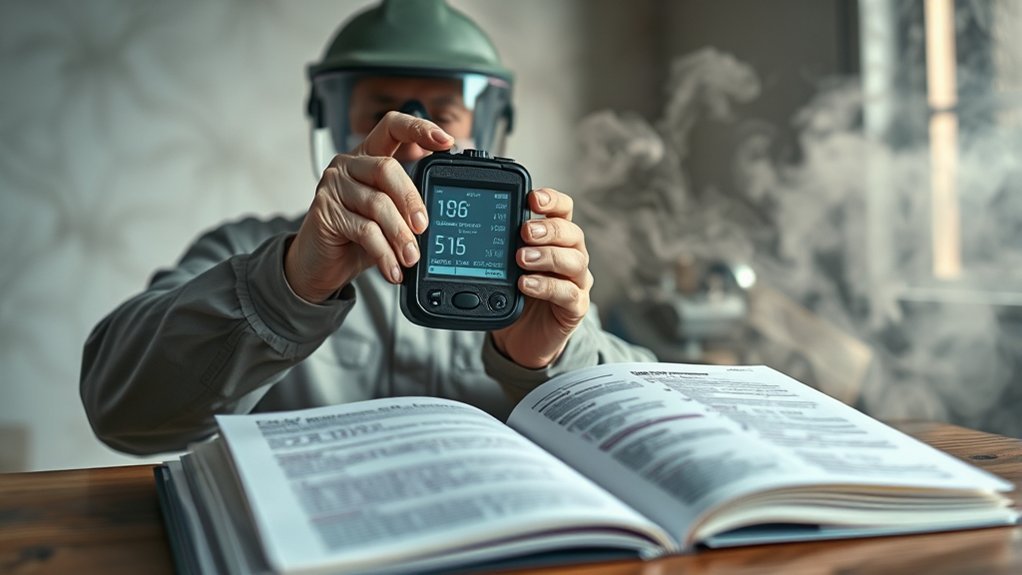
Using protective gear is essential during smoke exposure to minimize health risks. Proper gear helps shield your body from harmful particles and chemicals present in smoke.
Here’s what you should wear:
- N95 or P100 Respirator: These masks filter out fine particles, ensuring cleaner air for your lungs.
- Safety Goggles: Protect your eyes from irritation caused by smoke and debris.
- Long-Sleeved Clothing: Cover your skin to prevent absorption of toxic substances.
Wearing this protective gear isn’t just a precaution; it’s a necessity to safeguard your health.
Evidence shows that prolonged exposure without protection can lead to serious respiratory issues and other health problems. By taking these steps, you assert control over your safety during smoke exposure.
Long-Term Health Risks Associated With Smoke Exposure
While many people may underestimate the dangers of smoke exposure, the long-term health risks can be significant and far-reaching. Prolonged exposure to smoke, whether from wildfires or tobacco, can lead to chronic respiratory conditions such as asthma and chronic obstructive pulmonary disease (COPD).
You may also face an increased risk of cardiovascular diseases, as smoke can damage your blood vessels and heart over time. Additionally, research shows a link between smoke exposure and certain cancers, particularly lung cancer.
Cognitive decline and mental health issues can also arise, as pollutants affect brain function. Understanding these risks empowers you to take action for your health and well-being, ensuring you’re informed about the potential consequences of smoke exposure.
Protective Measures to Reduce Smoke Exposure
To effectively reduce smoke exposure, it’s crucial to implement a combination of preventive measures.
These steps can greatly protect your health and well-being.
- Stay indoors during high pollution days: Monitor air quality indexes and limit outdoor activities when smoke levels are elevated.
- Use air purifiers: Invest in HEPA filters to trap fine particles, ensuring cleaner indoor air.
- Wear masks: When going outside, use N95 or better masks to filter harmful smoke particles.
Creating a Smoke-Free Home Environment
Creating a smoke-free home environment is essential for maintaining good health, especially during periods of elevated smoke exposure. Start by eliminating indoor smoking and using air purifiers with HEPA filters. Seal windows and doors to prevent outdoor smoke from seeping in.
| Action | Purpose | Tips |
|---|---|---|
| No indoor smoking | Reduces harmful pollutants | Establish a policy |
| Use air purifiers | Filters out smoke particles | Choose a high-CADR model |
| Seal openings | Prevents smoke infiltration | Weatherstrip doors/windows |
Engaging in these actions not only protects your health but also creates a sense of liberation from harmful smoke exposure. By taking these steps, you contribute to a cleaner, healthier living space for yourself and loved ones.
Resources for Smoke Exposure Support
How can you effectively navigate the challenges of smoke exposure? Accessing the right resources can empower you to manage risks and find support.
Here are some valuable tools to contemplate:
- Local Health Departments: They often provide information on air quality, health effects, and community resources available for those affected by smoke.
- Support Groups: Engaging with others who share similar experiences can offer emotional support and practical advice on coping strategies.
- Online Resources: Websites like the CDC and WHO offer evidence-based guidelines and information about smoke exposure’s health impacts.
Utilizing these resources can enhance your understanding and help you reclaim your health and well-being from the effects of smoke exposure.
Take the first step towards a smoke-free life today!
When to Seek Medical Attention for Smoke Exposure
Recognizing the signs that warrant medical attention after smoke exposure is essential for your health. If you experience difficulty breathing, persistent cough, or chest pain, don’t wait—seek help immediately.
Other indicators include wheezing, confusion, or severe fatigue, which may signal serious respiratory issues. If you notice burns, skin irritation, or swelling, it’s vital to get evaluated by a healthcare professional.
Remember, even mild symptoms can escalate, so trust your instincts. Additionally, if you were in a highly contaminated area or exposed to toxic materials, err on the side of caution and consult a doctor.
Your well-being is paramount; taking proactive steps can lead to better outcomes and a quicker recovery. Don’t hesitate—liberate yourself from uncertainty and prioritize your health.
Frequently Asked Questions
Can Pets Be Affected by Smoke Exposure?
Yes, pets can be greatly affected by smoke exposure. Their respiratory systems are sensitive, making them prone to coughing, difficulty breathing, and other health issues. It’s essential to minimize their exposure during such events.
How Does Smoke Exposure Impact Children Differently?
Smoke exposure impacts children differently because their lungs are still developing, making them more susceptible to respiratory issues. They may experience more severe symptoms and long-term health effects than adults, so protecting them is essential.
Are There Specific Foods That Help Mitigate Smoke Effects?
Sure, munch on kale and blueberries like you’re saving the world! Antioxidant-rich foods can help combat smoke’s effects. Incorporating omega-3 fatty acids from fish and walnuts also supports your body’s recovery. Eat smart, breathe better!
What Should I Do if Smoke Enters My Home?
If smoke enters your home, close all windows and doors immediately. Turn off HVAC systems to prevent circulation. Use air purifiers or fans to filter the air and wear masks if necessary until conditions improve.
Is There a Safe Level of Smoke Exposure?
There’s no safe level of smoke exposure; even minimal inhalation can harm your lungs and overall health. It’s essential to minimize exposure, especially during wildfires or nearby fires, to protect yourself and your loved ones.
Conclusion
In summary, traversing smoke exposure can feel like an uphill battle, but you’re not alone in this smoky jungle. By recognizing symptoms and taking immediate action, you’ll transform into your own health hero. Armed with knowledge and protective measures, you can conquer the haze and create a sanctuary from pollutants. Remember, ignoring persistent symptoms could lead to health woes that feel like a never-ending nightmare. So, stay vigilant, protect yourself, and breathe deeply—your lungs will thank you!