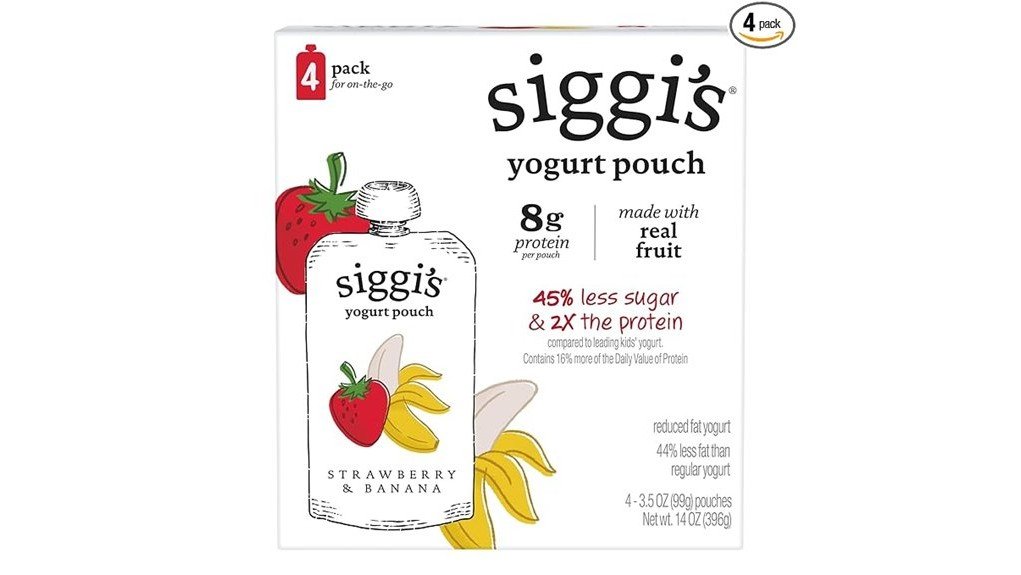
Siggi’s Kids Yogurt Pouches take a different route from most children’s yogurts. They lean on simple ingredients, real fruit, and a tangy taste that can surprise kids used to sweeter snacks. The 5 grams of protein add practical value, especially for busy afternoons. Still, the real question is whether that cleaner formula wins over picky eaters or gets left behind in the lunchbox.
Key Takeaways
- Siggi’s Kids Yogurt Pouches are a lower-sugar option with a tangy, less candy-like taste.
- They use real fruit, 2% milkfat yogurt, and avoid high-fructose corn syrup and artificial sweeteners.
- The ingredient list is short and cleaner than many mainstream kids’ yogurts.
- Each pouch offers 5g of protein, making it a practical snack for school or after-school energy dips.
- Kids used to very sweet yogurt may need time to adjust to the milder, more natural flavor.
What Makes Siggi’s Kids Yogurt Different?
Siggi’s Kids Yogurt stands apart from many shelf-stable kid yogurts by prioritizing simplicity over sweetness. In taste comparison, it reads as restrained, tangy, and less candy-like, which may suit families seeking freedom from dessert disguised as nutrition.
Its ingredient sourcing reflects a Scandinavian-leaning discipline, with milk from family farms and a brief, deliberate list. That restraint feels ideological as much as practical: fewer additives, less sugar, more actual yogurt character.
The result is not flashy, but it is coherent, and coherence often signals trustworthiness in a market built on noise and overprocessed convenience.
What’s Inside Siggi’s Kids Yogurt Pouches?
Inside the pouch, the formula stays unusually restrained: lowfat yogurt made with 2% milkfat, real fruit, and a short ingredient list that leans on simplicity rather than engineering.
The ingredients breakdown suggests a deliberate refusal of excess, which feels liberating in a category often crowded by sweeteners and fillers.
A deliberate refusal of excess, offering a cleaner, more liberated take on a crowded category.
- 5g protein per serving
- real fruit for clean fruit notes
- no high-fructose corn syrup
- no artificial sweeteners or preservatives
The flavor profiles read as mild, creamy, and fruit-forward rather than candy-like.
That restraint is not timid; it is disciplined, and it gives the pouch a clearer, more honest identity.
How Does Siggi’s Compare to Other Kids Yogurts?
Compared with many mainstream kids’ yogurts, siggi’s lands in a noticeably different lane: less sugar, fewer ingredients, and a texture that feels more purposeful than dessert-like.
In flavor comparison, it reads as muted but honest, with strawberry-banana notes that seem derived from fruit rather than engineered candy logic.
Ingredient analysis shows a cleaner formula, which may appeal to caregivers who want more control over what enters a child’s routine.
Against sweeter competitors, siggi’s feels like a quiet refusal of excess: simpler, firmer, and more aligned with food that respects bodies instead of training them toward sweetness.
When Should Kids Eat Siggi’s Yogurt Pouches?
Timing matters as much as formulation, and siggi’s Kids Yogurt Pouches fit best into moments that call for quick nutrition without sugar overload.
In daily routines, snack timing should favor gaps between meals, not replace them. The pouch works well:
- After school, when energy dips.
- Before errands, to prevent crankiness.
- In lunch boxes, for a controlled midday bite.
- During travel, when portable food matters.
Its 5g of protein and lower sugar make it a disciplined choice, though not a meal substitute.
The stronger judgment is simple: use it strategically, and it supports steadier, freer eating patterns.
Is Siggi’s Kids Yogurt Worth Buying?
Yes—on balance, siggi’s Kids Yogurt Pouches are worth buying for families that want a lower-sugar snack with real ingredients and decent protein.
The formula favors nutritional balance over candy-like sweetness, which is a practical win for households resisting ultra-processed norms. With 5g of protein, real fruit, and a short ingredient list, it supports steadier energy and cleaner eating.
The tradeoff is taste preferences: children used to sweeter yogurts may need adjustment.
For those seeking nourishing convenience, these pouches offer a solid, liberation-minded choice.
Frequently Asked Questions
Are Siggi’s Kids Yogurt Pouches Shelf-Stable Before Opening?
No, siggi’s kids yogurt pouches are not shelf-stable before opening; they require refrigeration. Their shelf life depends on cold storage. Storage tips: keep chilled, avoid warm bags, and use promptly for safer, fresher snacking.
What Age Is Best for Starting These Yogurt Pouches?
Around 12 months is often ideal, once a child tolerates dairy and can self-feed; a coincidental first squeeze of yogurt may delight them. Its yogurt benefits and ideal serving suit toddlers, though supervision remains prudent.
Do Siggi’s Pouches Contain Live Active Cultures?
Yes, siggi’s pouches typically contain live active cultures, supporting nutritional benefits and flavor variety. The formulation appears thoughtfully simple, with less sugar and real fruit, yet still delivers a restrained, purposeful yogurt experience.
Can These Pouches Be Frozen for Later Use?
Yes, they can be frozen for later use, though texture may change. Freezing tips: lay flat, thaw in the fridge. Storage recommendations favor short-term freezing only; this supports practical, liberated snack planning without sacrificing convenience.
Are the Pouches Recyclable After Use?
Recycling depends on local facilities, since the pouch likely mixes materials. The packaging may feel eco friendly packaging, yet true sustainability is limited unless made from sustainable materials and accepted by regional recycling systems.
Conclusion
Siggi’s Kids Yogurt Pouches stand like a small lighthouse in a sea of candy-colored snacks, signaling a quieter, cleaner route for families. Their tangy taste and real fruit feel less like dessert and more like a sturdy bridge over the usual sugar crash. With 5g of protein, they offer modest fuel, though not every child will instantly follow. For health-minded households, they remain a thoughtful, worthwhile choice.

