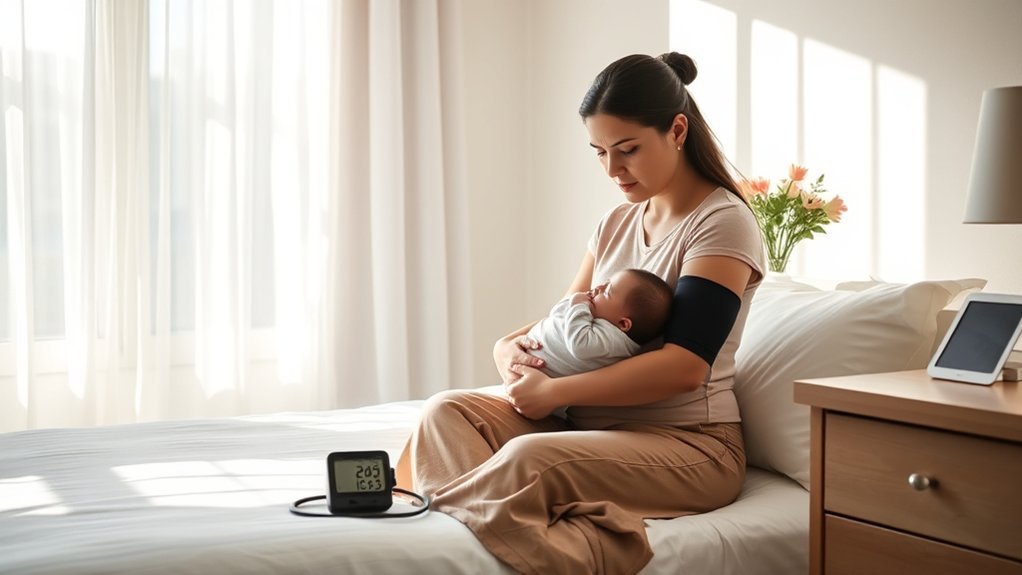
Have you thought about how your blood pressure affects your recovery after childbirth? It’s a critical part of postpartum health that’s easy to overlook. Significant changes in blood pressure can signal serious conditions, and knowing when to call your doctor can make a real difference. Below, we cover what to watch for and how to stay on top of your health during this period.
Quick Answer
- Normal postpartum blood pressure is below 140/90 mmHg.
- Both high and low blood pressure can cause problems after delivery.
- Severe headaches, vision changes, sudden swelling, or readings above 140/90 mmHg all warrant a call to your provider.
- Regular monitoring in the first six weeks postpartum is strongly recommended.
Understanding Postpartum Blood Pressure
Postpartum blood pressure is a key part of maternal health that can shape your recovery after childbirth. Your body goes through major physiological changes after delivery, and those changes can affect blood pressure in different directions.
Both high and low blood pressure carry risks. Elevated blood pressure may point to postpartum preeclampsia, a serious condition that needs prompt medical care. On the other side, low blood pressure can cause dizziness, fainting, or poor blood flow to vital organs.
Recognizing these changes early helps you get care before problems worsen. Preeclampsia is a life-threatening hypertensive disorder that can occur postpartum, making awareness critical for new mothers.
Normal Blood Pressure Ranges After Childbirth
Knowing what’s normal after delivery is the first step to catching problems early. Your pre-pregnancy baseline may differ from postpartum readings, so keep that in mind.
Generally, postpartum blood pressure is considered normal when readings stay below 140/90 mmHg. Some fluctuation in the first few weeks is common, but consistent or extreme changes need attention.
Postpartum blood pressure is normal when readings are below 140/90 mmHg, though fluctuations may occur in the initial weeks.
- Normal systolic pressure: 90–120 mmHg
- Normal diastolic pressure: 60–80 mmHg
- Track any significant changes in your readings
If your blood pressure consistently exceeds these ranges, or you develop symptoms like headaches or vision changes, contact your healthcare provider. Staying aware of your numbers supports your overall well-being during recovery.
Common Causes of Blood Pressure Changes Postpartum
Several factors can cause blood pressure to shift after childbirth. Hormonal changes, stress, and recovery-related medications each play a role.
Hormonal Fluctuations
After delivery, shifting hormone levels can directly affect blood pressure. Changes in estrogen, progesterone, and prolactin alter how your blood vessels function and how your body manages fluid.
- Estrogen: Increases blood volume and can cause temporary hypertension.
- Progesterone: Generally promotes vasodilation (widening of blood vessels) but may also affect pressure stability.
- Prolactin: Can influence fluid retention and contribute to blood pressure swings.
If you notice significant changes or new symptoms, talk to your healthcare provider about what’s driving them.
Stress and Anxiety
New parenthood brings real physical and emotional strain, and that stress shows up in your body. Elevated stress hormones like cortisol increase vascular resistance and heart rate, which can push blood pressure higher.
Sleep deprivation, a shifting routine, and the emotional weight of caring for a newborn all compound this effect. Chronic stress can lead to persistent hypertension over time, raising your risk of cardiovascular complications.
Monitoring your blood pressure regularly and identifying your stress triggers are two practical steps you can take. If readings change noticeably, reach out to your healthcare provider.
Medication and Recovery
The medications you take during recovery, and the physical changes happening in your body, can both shift blood pressure in either direction.
- Antihypertensives: Prescribed blood pressure medications help manage hypertension but can also cause fluctuations.
- Pain management: Opioids and other analgesics affect the cardiovascular system and may alter blood pressure levels.
- Fluid balance: Postpartum fluid shifts, especially after a cesarean section, can cause temporary hypertension or hypotension.
Pay attention to how your body responds to medications during recovery. If you notice significant changes, contact your healthcare provider for guidance specific to your situation.
Recognizing Symptoms of High Blood Pressure
High blood pressure after delivery doesn’t always feel obvious. Common signs include severe headaches, visual disturbances such as blurred vision or seeing spots, and sudden swelling in your hands or face. Shortness of breath or chest pain can also occur.
Shortness of breath and chest pain may signal postpartum hypertension or preeclampsia, requiring prompt medical attention.
These symptoms may indicate postpartum hypertension or preeclampsia, both of which can develop days or even weeks after delivery. Readings above 140/90 mmHg call for immediate medical attention.
Contact your healthcare provider right away if any of these symptoms appear. Early care helps prevent complications and keeps your recovery on track. You can also review NICHD research on maternal health for additional background on managing postpartum conditions.
Recognizing Symptoms of Low Blood Pressure
Feeling unusually dizzy or lightheaded after giving birth? That can be a sign of low blood pressure (hypotension). Low blood pressure means less blood flow to critical organs, so catching it early matters.
- Dizziness or fainting when standing up
- Fatigue or weakness that doesn’t improve with rest
- Nausea or cold, clammy skin
If any of these symptoms appear, contact your healthcare provider. They can check your blood pressure and decide whether further evaluation or treatment is needed.
Postpartum recovery is demanding, and learning to read your body’s signals helps you manage your health more effectively. Reach out if you’re concerned.
Why Monitoring Your Blood Pressure Matters
Regular blood pressure checks are one of the most effective ways to catch postpartum complications before they become serious.
Health Risks Postpartum
The postpartum period brings real health risks alongside the joy of a new baby. Blood pressure changes can point to serious conditions like postpartum hypertension or preeclampsia. The CDC postpartum care guidance recommends ongoing blood pressure monitoring in the weeks after delivery for this reason.
- Elevated blood pressure: Can lead to cardiovascular complications if left untreated.
- Postpartum preeclampsia: Rare but dangerous; requires immediate attention.
- Increased stroke risk: High blood pressure after delivery raises stroke risk considerably.
Regular check-ups and awareness of your symptoms can reduce these risks and support a healthier recovery. Contact your healthcare provider if anything concerns you.
Detecting Hypertension Early
Catching high blood pressure early is one of the best things you can do for your postpartum health. Left untreated, elevated pressure can lead to postpartum preeclampsia or cardiovascular problems.
Check your blood pressure at home or at follow-up visits within the first six weeks after delivery. If readings consistently exceed 140/90 mmHg, contact your healthcare provider.
Severe headaches, visual disturbances, or sudden swelling all require immediate medical attention. Staying proactive about monitoring leads to better outcomes for you and your baby.
When to Seek Medical Attention
Contact your healthcare provider right away if you notice any of the following:
If you have postpartum blood pressure concerns, contact your healthcare provider for severe headaches, vision changes, or sudden swelling.
- Severe headaches: Persistent or worsening headaches that don’t respond to over-the-counter pain relief.
- Vision changes: Blurred vision, light sensitivity, or seeing spots can indicate elevated blood pressure.
- Swelling: Sudden or extreme swelling in your hands, face, or legs may signal a problem.
If your blood pressure readings are consistently above 140/90 mmHg, get evaluated promptly. Quick action can prevent complications like postpartum preeclampsia. The ACOG patient FAQ on postpartum hypertension is a reliable resource for understanding what to expect and when to act.
How to Prepare for Your Doctor’s Visit
A little preparation before your appointment helps you make the most of your time with your provider.
Gather Your Medical History
Bringing together your relevant health history gives your provider the full picture and helps them tailor care to your situation.
- Obstetric history: Include details about your pregnancy, labor, and delivery.
- Chronic conditions: Note any pre-existing health issues, like hypertension or diabetes.
- Medications: List any medications, supplements, or herbal products you’re currently taking.
List Your Current Symptoms
Accurate symptom reporting helps your provider assess your blood pressure and overall health. Use this as a guide to organize what you’re experiencing:
| Symptom | Description |
|---|---|
| Elevated Blood Pressure | Readings above 140/90 mmHg |
| Severe Headaches | Persistent, unresponsive to OTC |
| Visual Disturbances | Blurred vision or seeing spots |
| Swelling | Sudden increase in hands/face |
Note the onset, duration, and severity of each symptom. This information helps your doctor choose the right course of action.
Prepare Questions in Advance
Writing out your questions before the appointment keeps the conversation focused and productive. No critical concern gets skipped.
- Write down your symptoms and any changes you’ve noticed.
- Ask specific questions about blood pressure management and potential complications.
- Ask about lifestyle changes or medications that may be needed.
This approach makes your time with your provider more efficient and creates a collaborative foundation for your postpartum care.
Lifestyle Changes to Manage Blood Pressure
Managing blood pressure postpartum isn’t only about medication. Daily habits make a meaningful difference.
Start with a balanced diet built around fruits, vegetables, whole grains, and lean proteins. Cut back on sodium and saturated fats where you can. Regular movement, like walking or postpartum-approved exercise, helps lower blood pressure and supports overall fitness.
Prioritize sleep and use stress management strategies like mindfulness or gentle yoga to support hormonal balance. Avoiding tobacco and limiting alcohol both help keep blood pressure in a healthier range.
Monitor your blood pressure at home regularly to track your progress. These changes, taken together, can lead to real improvements in your postpartum health. Consider using resources like WIC nutrition support to access healthy foods and personalized nutrition guidance.
Resources for New Mothers on Blood Pressure Management
You don’t have to navigate postpartum blood pressure alone. Several resources are available to help you stay informed and supported.
Managing postpartum blood pressure is crucial; leverage reliable resources to support your health journey as a new mother.
- American Heart Association: Offers guidelines and educational materials on hypertension management specific to postpartum women.
- Local Support Groups: Connecting with other new mothers provides emotional support and shared experience around blood pressure management.
- Telehealth Services: Many providers offer virtual consultations, making it easier to get advice and medication adjustments without leaving home.
These resources can help you navigate postpartum blood pressure management and maintain your health for yourself and your baby. Community support also plays a role in maternal health outcomes — resources like Every Mother Counts connect new mothers with broader networks of care.
Reach out for help whenever you need it.
Frequently Asked Questions
How Does Postpartum Blood Pressure Affect Breastfeeding?
Postpartum blood pressure can influence breastfeeding by affecting milk production and letdown. Elevated levels may increase stress, which can make nursing more difficult. Monitoring your blood pressure supports both your health and successful breastfeeding.
Can Postpartum Blood Pressure Impact Mental Health?
Elevated postpartum blood pressure can contribute to anxiety or depression. Managing hypertension can help restore emotional balance and overall well-being, so staying on top of your readings matters beyond just physical health.
Are Medications Safe for Managing Blood Pressure While Breastfeeding?
Certain blood pressure medications are considered compatible with breastfeeding, but the right choice depends on your individual situation. Always work with your healthcare provider to find a medication that’s appropriate for both you and your baby.
How Often Should I Check My Blood Pressure Postpartum?
At minimum, check your blood pressure once a week postpartum, especially if you had issues during pregnancy. Regular monitoring helps catch problems early and keeps you and your baby’s health on track.
What Lifestyle Changes Are Recommended for New Mothers With High Blood Pressure?
A balanced diet, reduced sodium intake, regular physical activity, stress management, and adequate sleep all help manage high blood pressure postpartum. Your healthcare provider can offer guidance tailored to your specific condition.
Wrapping Up
Postpartum blood pressure requires ongoing attention during recovery. Your body is changing rapidly after delivery, and both high and low blood pressure can lead to serious complications if missed. Stay attuned to your body’s signals, monitor your readings regularly, and contact your healthcare provider whenever something feels off. Taking these steps protects your health and gives you and your baby the best possible start.