
Understanding Placenta Previa
Bleeding in the second half of pregnancy can feel scary, especially when you know placenta previa may cause it. Some bleeding has mild causes, but any bleeding after 20 weeks needs prompt medical advice. This guide explains placenta previa, the warning signs to watch for, and when you should seek urgent care.
Quick Answer
Placenta previa happens when the placenta sits low in the uterus and reaches near or over the cervix. Painless bright red bleeding after 20 weeks can be a key warning sign. Call your healthcare provider right away for any bleeding, and seek emergency care for heavy bleeding, severe pain, dizziness, fluid release, or reduced fetal movement.
Key Takeaways
- Placenta previa means the placenta lies low and may cover part or all of the cervix.
- Painless bright red bleeding after 20 weeks needs prompt medical advice.
- Severe bleeding, dizziness, strong pain, or reduced fetal movement needs emergency care.
- Ultrasound helps your provider confirm the placenta’s position and track changes.
- Your care plan may include activity limits, close monitoring, hospital care, or a planned C-section.
What Placenta Previa Means During Pregnancy
Placenta previa can affect your pregnancy when the placenta attaches low in the uterus. It may sit near the cervix or cover part or all of the cervical opening. Your provider may describe the condition as low-lying, marginal, partial, or complete, depending on the placenta’s position.
You may notice painless vaginal bleeding in the second half of pregnancy, but symptoms can vary. Some people have mild bleeding, while others have heavier bleeding that needs urgent care. Ultrasound helps your provider check the placenta’s position and plan safer care for you and your baby.
If the placenta still covers the cervix later in pregnancy, your provider may recommend a planned cesarean section (C-section). This approach can lower the risk of heavy bleeding during labor. Keep close contact with your healthcare provider so you know what to do if symptoms change.
How to Recognize Symptoms of Placenta Previa
The main symptom of placenta previa often includes painless vaginal bleeding after 20 weeks of pregnancy. The blood often looks bright red, and the amount can range from light spotting to heavier bleeding. Some people also feel mild cramps, pressure, or belly discomfort.
Do not wait to see if bleeding stops on its own. Any vaginal bleeding during pregnancy deserves medical guidance, especially after 20 weeks. Call your healthcare provider right away so they can decide whether you need monitoring or emergency care.
Warning: Seek urgent care for heavy bleeding, severe pain, dizziness, faintness, contractions, fluid release, or reduced fetal movement.
When You Should Seek Medical Attention
Call your healthcare provider right away if you notice any bleeding after 20 weeks. Heavy or sudden bleeding needs emergency care because placenta previa can cause serious blood loss. You should also seek help if you feel weak, dizzy, faint, or short of breath.
Severe belly pain, pelvic pain, contractions, or a sudden release of fluid also needs urgent attention. Reduced fetal movement can signal a problem and should not wait. Trust your instincts and contact your care team when something feels wrong.
How Doctors Diagnose and Monitor Placenta Previa
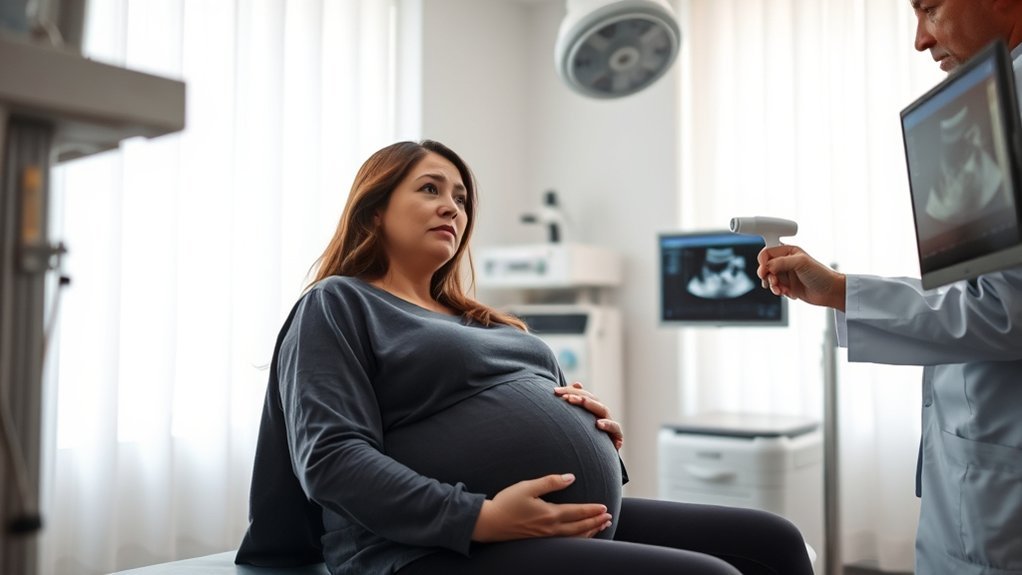
Routine ultrasounds help your provider diagnose placenta previa, often near the mid-pregnancy anatomy scan. These scans check the placenta’s position and show whether it sits close to the cervix. Your provider may recommend a transvaginal ultrasound for a clearer view.
Your care team may schedule follow-up ultrasounds during the second and third trimesters. The placenta can appear to move upward as the uterus grows, so repeat checks matter. Monitoring helps your provider choose the safest plan for the rest of your pregnancy.
Watch for changes that your provider may want to review:
- Vaginal bleeding or spotting
- New belly or pelvic pain
- Changes in fetal movement
- Contractions or pressure
- New fluid release from the vagina
Treatment Options and Management for Placenta Previa
Your treatment plan depends on your bleeding, pregnancy stage, placenta position, and overall health. Your provider may ask you to reduce activity, avoid sex, or avoid strenuous tasks if bleeding risk looks high. Follow your provider’s exact instructions because each case can differ.
If bleeding becomes heavy or frequent, your provider may admit you to the hospital for close monitoring. You may need medicines, blood tests, fluids, or a blood transfusion if blood loss becomes serious. Your care team will focus on keeping you and your baby safe while trying to continue the pregnancy when possible.
A planned C-section often becomes the safest option if the placenta covers the cervix near delivery. Vaginal birth may only apply in select mild cases where the placenta no longer blocks the cervix. Your provider will explain the safest delivery plan based on your latest ultrasound and symptoms.
How to Prepare for an Urgent Visit
If you need urgent care, bring your pregnancy records if you can do so safely. Tell the care team how much bleeding you noticed, when it started, and whether you have pain or contractions. Mention reduced fetal movement, fluid release, dizziness, or any past placenta previa diagnosis.
Do not drive yourself if you feel faint, weak, or you have heavy bleeding. Ask someone to take you, or call emergency services if symptoms feel severe. Fast care can help your team act before blood loss becomes dangerous.
Frequently Asked Questions
When should you call the doctor for placenta previa?
You should call your doctor right away if you notice vaginal bleeding after 20 weeks. You should also call if you have strong belly or pelvic pain, contractions, fluid release, dizziness, or decreased fetal movement.
What are the red flags of placenta previa?
Red flags include heavy bleeding, sudden bright red bleeding, severe pain, dizziness, faintness, contractions, fluid release, or reduced fetal movement. These signs need immediate medical evaluation to protect your health and your baby’s safety.
How early can doctors diagnose placenta previa?
Doctors often spot a low placenta during a mid-pregnancy ultrasound. Your provider may not know the final delivery risk until later because the placenta’s position can change as your uterus grows.
What is the initial management of placenta previa?
Initial management often includes ultrasound monitoring, symptom tracking, and clear instructions about activity and warning signs. If you have significant bleeding, your provider may recommend hospital monitoring and urgent treatment.
Can placenta previa go away before delivery?
A low-lying placenta may move farther from the cervix as the uterus expands. Your provider will use follow-up ultrasounds to see whether the placenta still blocks the cervix near delivery.
Medical Disclaimer: This article is for informational purposes only and does not constitute professional medical advice. Always consult a qualified doctor before making decisions based on this information.
Conclusion
Placenta previa needs careful attention because bleeding can become serious quickly. If you notice bleeding, pain, dizziness, fluid release, contractions, or reduced fetal movement, contact your healthcare provider right away. Follow your care plan, keep every ultrasound appointment, and ask questions when you feel unsure. Prompt action gives you and your baby the best chance for safer care.