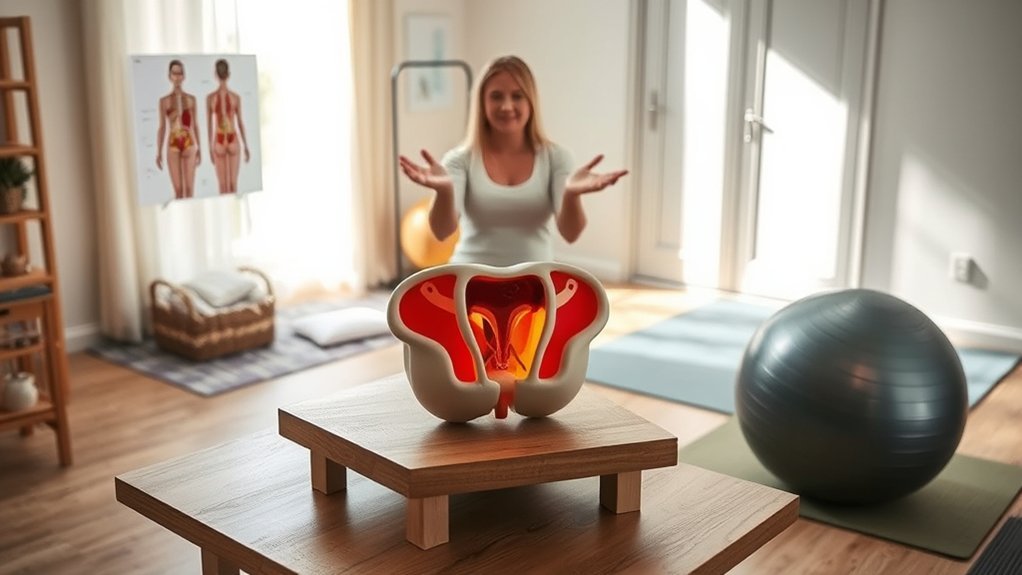
Pelvic floor therapy often gets a bad rap, perceived as a niche treatment for women after childbirth. In reality, this therapy is essential for anyone experiencing pelvic floor dysfunction, regardless of gender. Many people remain unaware of the diverse techniques involved, which extend beyond Kegel exercises. Understanding the true benefits and applications of pelvic floor therapy can greatly impact your health. So, what exactly can this therapy do for you?
Understanding the Pelvic Floor: Its Importance and Function
The pelvic floor is an essential structure in your body, supporting your pelvic organs and maintaining urinary, bowel, and sexual function. Comprised of muscles, ligaments, and connective tissue, it forms a supportive hammock-like structure at the base of your pelvis.
This region plays a significant role in stabilizing your core and facilitating proper organ positioning. When the pelvic floor is functioning well, it allows for voluntary control over urination and defecation and contributes to sexual pleasure.
Weakness or dysfunction in this area can lead to issues such as incontinence, pelvic pain, and sexual dysfunction. Understanding how your pelvic floor works is imperative for recognizing signs of dysfunction and seeking appropriate therapeutic interventions when necessary.
Common Misconceptions About Pelvic Floor Therapy
While many people recognize the importance of pelvic floor therapy, several misconceptions can hinder their willingness to pursue it. One common myth is that only women need pelvic floor therapy; however, men can also experience pelvic floor issues.
Another misconception is that therapy is solely for postnatal recovery, but it can address various conditions, including incontinence and pelvic pain.
Many believe that pelvic floor exercises are easy and don’t require professional guidance, but personalized assessments and techniques are vital for effectiveness.
Finally, some think therapy is only about Kegel exercises, overlooking other essential treatments like biofeedback and manual therapy.
Understanding the facts can empower you to seek appropriate care and improve your pelvic health.
Who Can Benefit From Pelvic Floor Therapy?
Anyone experiencing pelvic floor dysfunction can benefit from pelvic floor therapy, regardless of gender or age.
Conditions such as urinary incontinence, pelvic pain, and fecal incontinence affect both men and women, often stemming from childbirth, surgery, or aging.
If you’ve undergone prostate surgery or experience chronic pelvic pain, therapy can greatly improve your quality of life.
Additionally, individuals with conditions like endometriosis or interstitial cystitis may find symptom relief through targeted pelvic floor exercises.
It’s also advantageous for pre- and postnatal women to strengthen their pelvic floor.
Engaging in therapy can enhance your overall pelvic health, prevent future issues, and empower you to manage your symptoms effectively.
Seeking professional guidance guarantees a tailored approach to your specific needs.
The Techniques and Approaches Used in Therapy
Pelvic floor therapy employs a variety of techniques tailored to address specific dysfunctions and promote overall pelvic health.
Pelvic floor therapy utilizes diverse techniques to target dysfunctions and enhance pelvic health effectively.
You might experience manual therapy, which involves hands-on techniques to release muscle tension and restore normal function. Biofeedback is another approach, helping you gain awareness of pelvic floor muscle activity. Kegel exercises are commonly prescribed, focusing on strengthening these muscles for enhanced control.
Additionally, electrical stimulation can be used to facilitate muscle contractions and improve coordination. Your therapist may also incorporate lifestyle modifications and education about proper body mechanics.
Each technique is evidence-based, designed to meet your individual needs and improve your quality of life. Understanding these approaches can empower you to take an active role in your pelvic health journey.
The Long-term Benefits of Pelvic Floor Therapy for Everyone
When you engage in pelvic floor therapy, you’re not just addressing immediate concerns; you’re investing in long-term health benefits that can enhance your overall well-being. Improved pelvic muscle strength can lead to better bladder control, reduced risks of pelvic organ prolapse, and even enhanced sexual function. These benefits aren’t limited to one gender or age group; everyone can experience positive outcomes.
| Benefits | Impact |
|---|---|
| Enhanced bladder control | Fewer leaks and accidents |
| Improved sexual function | Increased satisfaction and intimacy |
| Reduced pain during intercourse | Greater comfort and pleasure |
Incorporating pelvic floor therapy into your routine fosters resilience against future health issues, ensuring a higher quality of life. Investing in your pelvic health today pays dividends tomorrow.
Frequently Asked Questions
Can Men Receive Pelvic Floor Therapy Too?
Yes, men can receive pelvic floor therapy. It effectively addresses various conditions like pelvic pain, incontinence, and sexual dysfunction. A trained therapist can tailor treatment to your specific needs, improving your overall pelvic health.
How Long Does Pelvic Floor Therapy Typically Last?
Typically, pelvic floor therapy lasts between six to twelve weeks, depending on individual needs and conditions. While some may require fewer sessions, others with complex issues might need extended therapy for ideal results.
Is Pelvic Floor Therapy Painful?
Pelvic floor therapy isn’t typically painful, but you might experience some discomfort during sessions. Your therapist will adjust techniques based on your comfort level, ensuring a supportive environment as you work towards improvement.
What Qualifications Should a Pelvic Floor Therapist Have?
A qualified pelvic floor therapist should have a degree in physical therapy, specialized training in pelvic health, and relevant certifications. They must understand anatomy, dysfunction, and treatment techniques to effectively address your specific needs.
Are There Exercises I Can Do at Home?
Yes, you can perform pelvic floor exercises at home. Research shows that 30% of women experience pelvic floor dysfunction. Regularly practicing Kegel exercises can strengthen your muscles and improve your overall pelvic health effectively.
Conclusion
To summarize, pelvic floor therapy is essential for both men and women, addressing a wide range of conditions beyond just postnatal recovery. Remarkably, studies show that up to 25% of men experience pelvic floor dysfunction at some point in their lives. By debunking the myths surrounding this therapy and understanding its diverse techniques, you can take proactive steps toward better pelvic health. Don’t hesitate to seek the care you need—improved quality of life is within reach.