
As a new parent, you might not realize how essential your pelvic floor recovery is for your overall well-being. It affects not just your physical health but also your emotional state and family dynamics. Issues like urinary incontinence or pelvic pain are common, yet they don’t have to define your experience. Understanding the signs and seeking appropriate rehabilitation can help you regain control.
Quick Answer
- The pelvic floor supports key organs like the bladder and uterus, and it often weakens during pregnancy and childbirth.
- Common postpartum issues include urinary incontinence, pelvic pain, and pelvic organ prolapse.
- Pelvic floor physical therapy is an effective, evidence-based first-line treatment for most of these conditions.
- Starting rehabilitation around six weeks postpartum can prevent long-term complications and significantly improve quality of life.
- Seeking help early is a sign of strength, not weakness.
Understanding the Importance of the Pelvic Floor for Parents
The pelvic floor is an essential support system for your body, especially after childbirth. It holds up key pelvic organs, including the bladder and uterus, and plays a central role in urinary and bowel control.
The pelvic floor is vital for your body’s support, particularly after childbirth, ensuring urinary and bowel control.
Many parents experience pelvic floor dysfunction (PFD) due to the physical changes that happen during pregnancy and delivery. Urinary incontinence, for example, affects a significant share of women during and after pregnancy.
Regular pelvic floor exercises can meaningfully improve muscle strength and coordination. Prioritizing postpartum care, including early access to postpartum mental health support, is a key part of addressing these issues and reclaiming your well-being.
Common Pelvic Floor Issues Postpartum
After childbirth, you might experience pelvic floor issues like urinary incontinence or pelvic pain. These can affect daily life in real ways.
These concerns are widespread, and you’re not alone in facing them. Understanding what’s happening is the first step toward finding effective solutions. Increasing your awareness of signs, symptoms, and treatment can help you seek the care you need.
Incontinence After Childbirth
Incontinence after childbirth is more common than many people expect. Many new mothers experience pelvic floor disorders, including urinary and fecal incontinence, as a result of the physical stress of pregnancy and delivery.
Some symptoms resolve on their own, but others can last for years and significantly affect quality of life. Early intervention matters. Pelvic floor physical therapy can reduce or eliminate incontinence by improving muscle coordination and strength.
The psychological weight of these issues is real too. Nearly half of pregnant women report distress linked to pelvic floor disorders. Seeking help is not only valid, it’s worthwhile.
Pelvic Pain Concerns
Many new mothers are focused on the joys of parenthood, but pelvic pain can be an unwelcome reality during the postpartum period.
Up to 40% of women experience pelvic floor dysfunction that leads to discomfort during daily activities and intimacy. Conditions like pelvic floor myofascial pain, endometriosis, and levator ani syndrome may develop, all of which affect quality of life.
Pelvic pain can persist for years without treatment, which is why identifying it early matters. Physical therapy can ease symptoms by strengthening and coordinating the pelvic floor muscles. Addressing psychological factors like anxiety and depression is also part of thorough pelvic health care.
The Role of Pelvic Floor Rehabilitation
Pelvic floor rehabilitation plays a central role in your recovery after childbirth, particularly for issues like urinary incontinence or pelvic pain.
Starting around six weeks postpartum can significantly improve your long-term health and well-being.
Through personalized exercises and techniques, you can rebuild strength and function and set a solid foundation for recovery.
Importance of Early Intervention
Early intervention in pelvic floor rehabilitation can greatly reduce the risk of long-term complications like stress incontinence and chronic pelvic pain.
Starting around six weeks postpartum and addressing signs like urinary incontinence early on can considerably improve recovery outcomes. Studies show that timely physical therapy can alleviate symptoms in around 50% of women with pelvic dysfunction.
Adding pelvic floor rehabilitation to your postpartum care plan supports not only your physical recovery but also your mental well-being. Don’t wait to ask for help. Early action is key to preventing lasting issues and improving your overall quality of life as a new parent.
Common Rehabilitation Techniques
Knowing your options can make recovery feel less overwhelming.
Pelvic floor rehabilitation uses personalized treatment plans that focus on strengthening or relaxing the pelvic floor muscles. Common techniques include Kegel exercises for muscle strength and diaphragmatic breathing for relaxation. Manual therapy helps relieve tension and improve muscle function, while electrical stimulation and biofeedback improve muscle control and awareness. You can learn more about what pelvic floor therapy involves from resources like Johns Hopkins Medicine.
Rehabilitation typically begins around six weeks postpartum, even before full healing is complete, to help prevent complications like organ prolapse. Working with a pelvic health physical therapist means getting a tailored care plan built around your specific needs and symptoms.
Long-Term Health Benefits
Many new parents focus on immediate recovery, but investing in pelvic floor rehabilitation pays off over the long term.
Personalized pelvic floor therapy reduces the risk of complications like urinary incontinence, pelvic organ prolapse, and chronic pelvic pain. Research shows that early intervention can lead to significant symptom improvement in many women, raising overall quality of life.
Focusing on muscle coordination and strength supports pelvic health and helps prevent future issues. Addressing pelvic floor dysfunction early can also improve sexual function and reduce psychological distress, which matters for your family life too.
Maintaining pelvic floor exercises throughout your life promotes lasting improvements in urinary and bowel control.
Signs That Indicate the Need for Rehabilitation
If you’re experiencing urinary or fecal incontinence, you’re far from alone. These symptoms affect a significant share of women during pregnancy and the postpartum period.
Prolapse sensations, such as heaviness or a bulging feeling in the pelvic area, can signal pelvic floor dysfunction and warrant a professional evaluation. Chronic pelvic pain, which many postpartum women face, is another strong indicator that rehabilitation may help.
Difficulty with bowel regularity or changes in sexual function after childbirth may also point to underlying pelvic floor issues. Engaging in prenatal care can help prepare your body for childbirth and support recovery afterward.
Delaying rehabilitation can lead to long-term complications, including stress incontinence and muscle weakness. Don’t hesitate to ask for help.
Personalized Approaches to Pelvic Floor Therapy
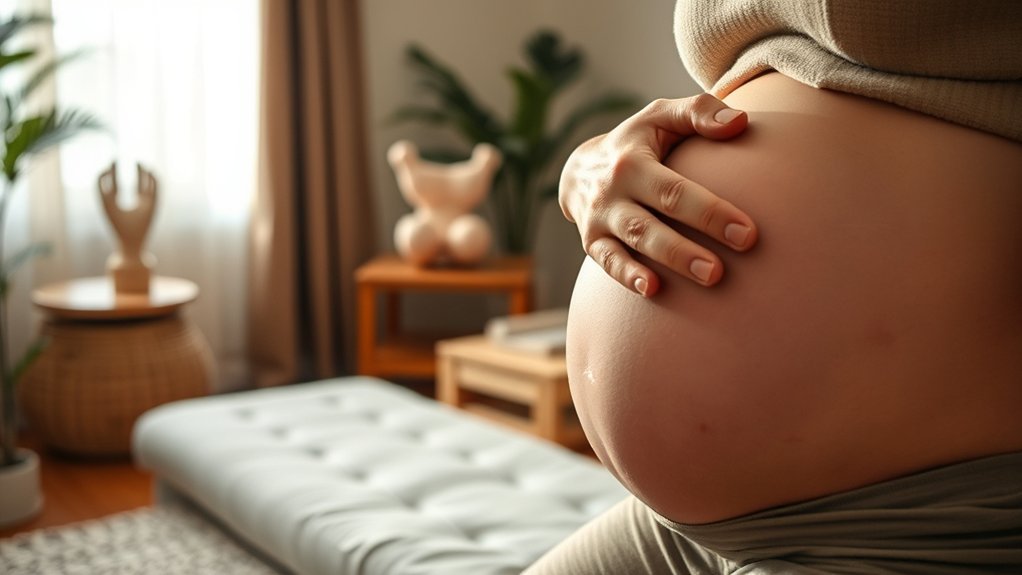
Every person’s recovery is different, which is why personalized approaches to pelvic floor therapy matter so much.
A thorough initial assessment looks at your unique symptoms and history, allowing your healthcare provider to build a rehabilitation plan designed specifically for you. That plan may include Kegel exercises, manual therapy, and biofeedback, chosen based on your pelvic floor function and goals.
Bringing physical therapy principles into your daily routine reinforces clinical work done in sessions. Early intervention, ideally starting around six weeks postpartum, can head off long-term complications. Collaboration among your healthcare providers, including fetal specialists involved in your baby’s care, ensures your overall needs are addressed.
Techniques and Strategies for Effective Recovery
A successful pelvic floor recovery draws on a combination of techniques. Here are three proven methods worth discussing with your care team:
- Pelvic Floor Exercises: Kegel exercises build muscle strength and control and are one of the most well-studied tools for reducing urinary incontinence after childbirth.
- Manual Therapy: Hands-on techniques can relax pelvic floor muscles, improve function, and aid recovery from childbirth-related trauma.
- Biofeedback and Electrical Stimulation: These methods help you regain awareness and control over pelvic floor muscles, often used alongside other treatments.
A physical therapist can make sure your rehabilitation plan addresses both physical and emotional health, producing a thorough, personalized approach to recovery. Understanding the value of community support in maternal health can also strengthen your recovery journey.
The Emotional and Physical Benefits of Rehabilitation
Pelvic floor rehabilitation brings real emotional and physical gains for new parents.
Treating issues like urinary and fecal incontinence can make a large difference in physical comfort and confidence. Targeted physical therapy restores muscle strength and coordination, reduces pelvic pain, and raises overall quality of life.
Effective treatment of pelvic floor dysfunction also lifts emotional well-being. The psychological burden of these symptoms affects a significant share of pregnant and postpartum women, and addressing the physical root often eases that strain too. Specialized pediatric care is an important complement, ensuring your family’s health is prioritized alongside your own.
Starting rehabilitation as soon as you’re cleared, typically around six weeks postpartum, normalizes pelvic health and helps you take on daily responsibilities with greater ease.
Long-Term Wellness: Preventing Future Pelvic Floor Issues

Recovery is just the beginning. Protecting your pelvic floor health over the long term takes some consistent habits. Three strategies make a real difference:
- Do pelvic floor exercises like Kegels regularly to maintain muscle strength and guard against incontinence.
- Work with a pelvic floor therapist for personalized rehabilitation and to catch any concerns before they worsen.
- Adopt healthy habits: stay hydrated, eat a balanced diet, and stay active. Be aware that substances like liquid nicotine can pose serious health risks and should always be handled with care.
Learning about pelvic floor health helps you seek timely care and connect with others going through similar experiences. Both lead to a better quality of life.
Frequently Asked Questions
How Long Does It Take to Heal Pelvic Floor Dysfunction?
Healing from pelvic floor dysfunction can take 6 to 12 weeks postpartum with proper rehabilitation. Starting physical therapy early significantly improves outcomes, so reach out to your provider if you’re experiencing symptoms.
How Long Does Pelvic Floor Recovery Take Postpartum?
Pelvic floor recovery typically begins around six weeks after childbirth. Healing times vary widely. Some women recover quickly, while others experience symptoms for years without proper care. Starting treatment early leads to better outcomes.
Is Pelvic Floor Therapy Worth It Postpartum?
Yes. Pelvic floor therapy helps you regain strength, reduce discomfort, and improve your overall well-being. Starting early can make a meaningful difference in your recovery and long-term quality of life.
What Emotions Are Connected to the Pelvic Floor?
A large share of pregnant women experience emotional distress tied to pelvic floor dysfunction. Symptoms like incontinence or pain can bring on feelings of vulnerability, anxiety, or frustration, which is why addressing both physical and emotional health together matters so much.
Conclusion
Prioritizing pelvic floor recovery is one of the most meaningful investments you can make as a new parent, not just for yourself, but for your whole family. Addressing these issues directly opens the door to a healthier, happier life filled with the moments that matter. Seeking help is a sign of strength. Embrace the support available, take the steps toward healing, and know that your well-being matters for the little ones who count on you every day.

