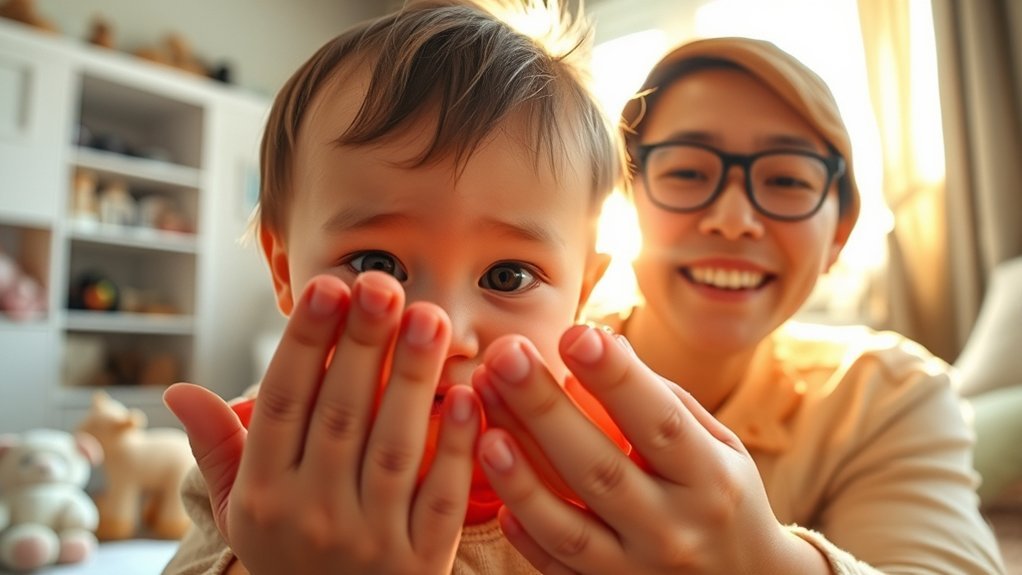
Peekaboo may seem like a simple game, but it opens the door to real developmental milestones for infants. Through this playful back-and-forth, you can help build object permanence, sharpen social skills, and strengthen emotional bonds. Knowing what to do and what to avoid makes the difference between a fun moment and a genuinely meaningful one.
Quick Answer
- Peekaboo helps infants develop object permanence, the understanding that things still exist when out of sight.
- It builds early social skills like turn-taking, communication, and emotional awareness.
- Playing with animated expressions, varied timing, and props makes the game more effective.
- Watch your child’s cues. If they look away or frown, dial back the stimulation.
- Keep sessions short (5–10 minutes) and let your child set the pace.
Understanding Object Permanence Through Peekaboo
When you play peekaboo with a baby, you’re doing more than just having fun. You’re helping them grasp a key concept called object permanence.
Babies show early signs of this skill around 4 to 6 months. Fuller understanding tends to develop between 8 and 12 months, as tracked by CDC developmental milestones. At its core, object permanence means understanding that things continue to exist even when they can’t be seen.
Peekaboo reinforces this idea directly. You hide your face, then reveal it again. That simple action stimulates curiosity and memory in a way that feels like play but works like learning. Research shows that consistent interactive play like this helps solidify the concept and supports problem-solving skills later on.
Enhancing Social Skills With Interactive Play
Peekaboo plays a real role in building your child’s social skills. It encourages communication, teaches turn-taking, and helps children begin to recognize emotions in themselves and others.
Boosting Communication Skills
Peekaboo is a surprisingly powerful tool for early communication. As you play, your child starts to pick up the basic rhythm of conversation long before they can speak.
- Encourages vocalization: Your child learns to make sounds and eventually words while anticipating your reappearance.
- Enhances nonverbal cues: Children read facial expressions and body language, both of which are central to communication.
- Builds turn-taking skills: Sharing the game lays the groundwork for future conversations.
- Strengthens listening: Kids learn to respond to your cues, which builds auditory processing skills.
Encouraging Turn-Taking Behavior
Peekaboo naturally builds turn-taking behavior, which is a core social skill. When you take turns, your child learns to wait for their moment and respond at the right time.
This back-and-forth exchange builds their understanding of social cues and timing. Research shows that children who practice turn-taking develop stronger communication and problem-solving skills as they grow. Keep your turns playful and varied to hold their interest, and celebrate their attempts at participating.
Building Emotional Awareness
Peekaboo helps your child start to recognize and respond to feelings, which is the foundation of emotional awareness. By watching your face and anticipating the surprise, they learn to read emotional cues.
- Strengthens the parent-child bond through shared laughter
- Encourages recognition of facial expressions and emotional states
- Opens space to talk about feelings when surprises happen
- Builds early empathy as your child notices how others react
These early experiences lay the groundwork for emotional intelligence, which shapes how children navigate relationships throughout their lives.
Strengthening Emotional Bonds With Caregivers
Peekaboo can meaningfully strengthen the bond between caregivers and infants. The game creates joyful interactions that build feelings of safety and trust.
As you play, your infant learns to recognize your face and voice, deepening their sense of connection. Research suggests that shared laughter and anticipation during peekaboo trigger the release of oxytocin, the hormone associated with social bonding. Each session also reinforces your infant’s emotional responsiveness and social skills, setting the stage for healthy relationships as they grow.
Do’s of Playing Peekaboo Effectively
A few simple habits can make peekaboo far more effective and enjoyable for your child:
- Be animated: Use exaggerated facial expressions and a playful tone to hold their attention.
- Vary your timing: Change the intervals between appearances to build suspense and excitement.
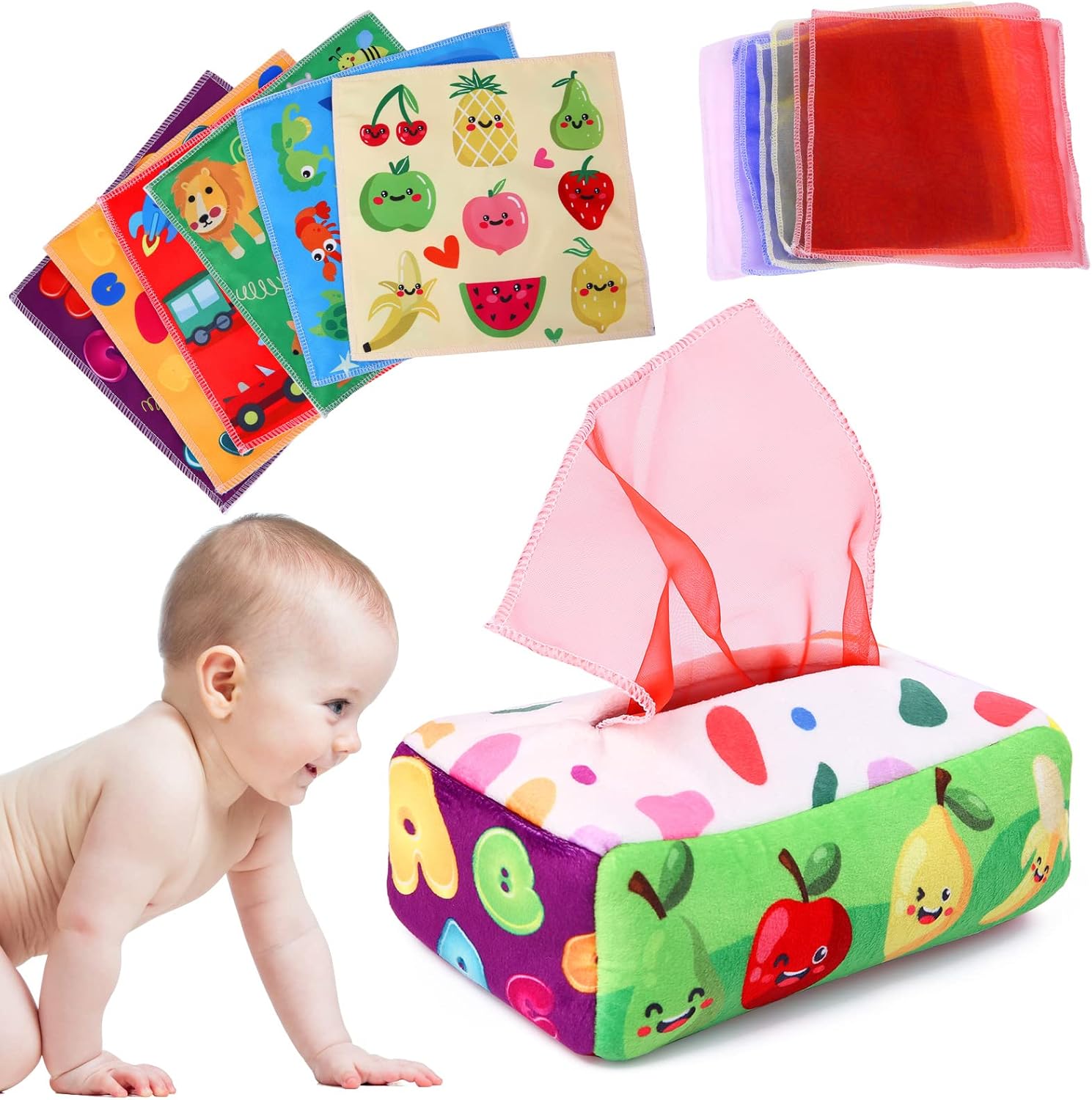
- Use props: Incorporate toys or scarves to make the game more visually stimulating.
- Keep eye contact: Maintain eye contact when you reappear to strengthen the emotional connection and help your child feel seen.
Don’ts to Avoid During Peekaboo Sessions
Knowing what not to do is just as important as the game itself. Two habits in particular can turn a fun moment into a stressful one.
Avoid Overstimulating Reactions
Children can become overwhelmed quickly, and peekaboo is no exception. Pay attention to their reactions and keep the experience light. A few things to watch for:
- Watch for signs of discomfort: If your child looks away or frowns, ease up.
- Keep sessions short: Shorter, focused sessions tend to work better than long ones.
- Balance your energy: Too much enthusiasm can be startling. Aim for warm and engaged, not over-the-top.
- Build in pauses: Give your child a moment to process and reconnect before the next reveal.
Don’t Neglect Comfort Zones
It’s easy to get carried away, but pushing too fast can make your child uneasy or even put them off the game entirely. Children thrive when they feel safe and secure.
Start with gentle play and let your child set the pace. Gradually introduce more surprises as they grow more confident. If they giggle, they’re enjoying it. If they frown or turn away, stop and give them space.
Keeping comfort in mind ensures peekaboo stays a joyful experience that builds trust, not anxiety.
Incorporating Variations for Added Fun and Learning
Mixing up your approach keeps the game fresh and adds layers of cognitive development. Here are some ways to vary it:
- Use Different Objects: Hide toys, scarves, or your face behind various items to maintain interest.
- Change Your Voice: Use different tones or silly sounds to capture attention and encourage vocalization.
- Add Movement: Move around the room or change locations to create a more dynamic experience.
- Incorporate Counting: Count down from three before revealing yourself, which helps with number recognition and builds anticipation.
These variations keep the game exciting while supporting real learning skills along the way.
Frequently Asked Questions
What Age Is Best to Start Playing Peekaboo?
You can start around six months old. At this age, babies are beginning to develop object permanence and will enjoy the surprise element, which supports both social skills and cognitive development.
Can Peekaboo Help With Language Development?
Yes. Interactive games like peekaboo encourage early vocalization and help babies connect sounds with emotions and actions. This kind of engaged play supports language development over time, though the exact size of the effect varies by child.
How Long Should a Peekaboo Session Last?
Around 5 to 10 minutes is a good target. That’s long enough to be engaging without overwhelming your child, and it leaves room for the game to stay fun across repeated sessions.
Is Peekaboo Beneficial for Children With Developmental Delays?
Yes. Peekaboo can support children with developmental delays by encouraging social interaction, eye contact, and basic cognitive skills. It’s a low-pressure way to work on communication and developmental milestones.
What Materials Can Enhance the Peekaboo Experience?
Colorful scarves, puppets, and your own hands all work well. These props create visual interest and make the interaction more engaging for your child’s developing senses.
Conclusion
Peekaboo is deceptively simple, but its benefits are real. It builds object permanence as babies move from early signs around 4 to 6 months toward fuller understanding between 8 and 12 months. It strengthens emotional bonds, builds early social skills, and creates a foundation for communication. Follow the do’s, avoid the common pitfalls, and you’ll turn a classic game into a genuinely powerful part of your child’s development.