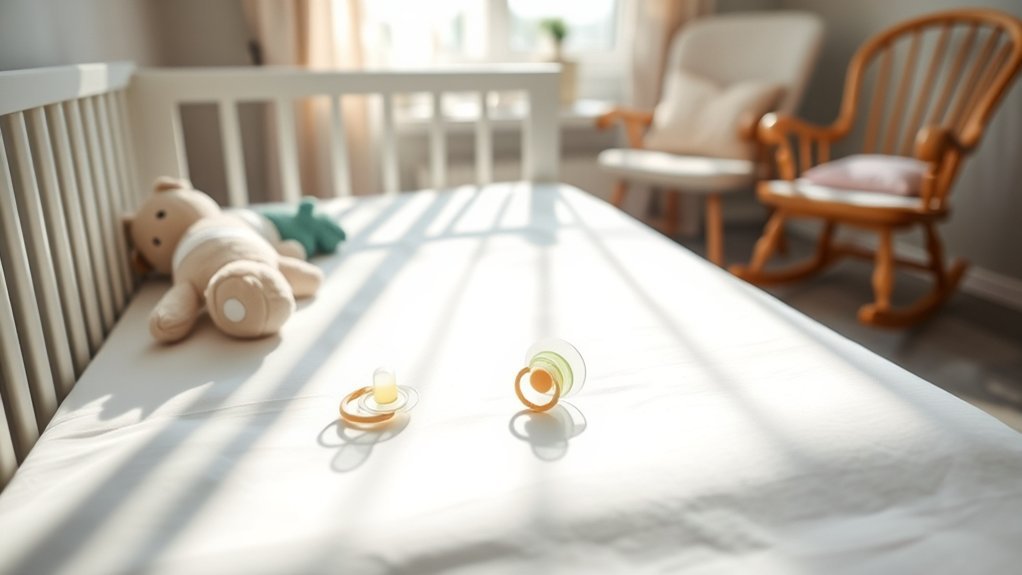
Pacifiers have emerged as a practical tool for reducing the risk of Sudden Infant Death Syndrome (SIDS) in infants in the U.S. These small devices may help keep an infant’s airway open and discourage unsafe sleeping positions. Still, they work best as part of a broader set of safe sleep habits, not as a standalone solution.
Quick Answer
- Research supports using a pacifier at nap time and bedtime to help lower the risk of SIDS.
- Pacifiers are not a guaranteed prevention. They work alongside, not instead of, other safe sleep practices.
- Always place your baby on their back, on a firm surface, free of soft bedding.
- If breastfeeding, wait about four to six weeks before introducing a pacifier.
- Talk to your pediatrician for guidance specific to your baby.
Understanding Sudden Infant Death Syndrome (SIDS)
SIDS is a leading cause of unexpected infant death and typically occurs during sleep, most often between one month and one year of age.
Known risk factors include stomach sleeping, exposure to cigarette smoke, and overheating. Placing your baby on their back to sleep, on a firm surface, and keeping soft bedding out of the crib significantly lowers risk.
Breastfeeding is also associated with a reduced risk and supports your baby’s overall health.
The Role of Pacifiers in Infant Care
Pacifiers serve a real purpose in infant care, particularly around sleep safety. They provide comfort, help soothe fussy babies, and encourage self-soothing habits.
Used appropriately, a pacifier can reduce how often infants wake during the night, which benefits both baby and parent. Offering one at naps and bedtime may also lower the risk of sleep-related concerns.
Keep the pacifier clean to prevent infections, and plan to wean your child off it gradually to avoid dependency.
Research Findings on Pacifiers and SIDS Risk
Multiple studies indicate that using a pacifier during sleep can considerably lower the risk of SIDS, though the exact mechanism is not fully understood.
Research suggests pacifiers may help keep an infant’s airway open and discourage rolling onto the stomach, a position linked to higher SIDS risk.
Observational studies consistently show that infants who use pacifiers at naps or nighttime have a reduced likelihood of SIDS. The American Academy of Pediatrics recommends pacifier use as a straightforward strategy to improve infant sleep safety.
Factors Influencing SIDS Risk
Sleep position is one of the most significant factors in SIDS risk, with back sleeping being the safest option. The sleep environment, including room temperature and bedding type, also plays a major role.
Sleep Position Impact
How your baby sleeps directly affects their SIDS risk. Follow these basic guidelines:
- Back Sleeping: Always place your baby on their back. This position carries the lowest SIDS risk.
- Avoid Stomach or Side Sleeping: Never place your baby on their stomach or side. Both positions increase risk.
- Firm Sleep Surface: Use a firm mattress without loose bedding or soft toys.
Environmental Influences
The environment where your baby sleeps matters. Overheating, soft bedding, and secondhand smoke all raise SIDS risk.
Keep the room between 68–72°F (20–22°C) to prevent overheating. Use a firm mattress and remove loose blankets, pillows, and toys from the crib. Make sure your baby always sleeps in a smoke-free space.
Safe Sleep Practices for Infants
Safe sleep habits are the most reliable defense against SIDS. Three practices stand out:
- Place your baby on their back: This is the single most effective step. Always lay your infant down to sleep on their back.
- Use a firm mattress: Keep the sleep surface firm and clear of soft bedding, pillows, or toys that could pose a suffocation risk.
- Maintain a smoke-free environment: Exposure to smoke, even nearby, increases SIDS risk.
Guidelines for Pacifier Use
Choosing the right pacifier and introducing it at the right time both matter for safety and effectiveness.
Safe Pacifier Selection
Use these guidelines when selecting a pacifier:
- Material: Choose pacifiers made from BPA-free silicone or natural rubber to avoid harmful chemical exposure.
- Shape: Look for a one-piece design. This eliminates small parts that could become choking hazards.
- Size: Pick a size appropriate for your baby’s age. The shield should be at least 1.5 inches wide so it cannot be swallowed.
Timing for Pacifier Use
Research suggests waiting until breastfeeding is well established, typically around four to six weeks, before introducing a pacifier. Starting too early can interfere with feeding and may cause nipple confusion.
Once your baby is feeding comfortably, offering a pacifier at sleep time can help reduce SIDS risk. Avoid using it as a substitute for attention or feeding.
Always ask your pediatrician for guidance tailored to your baby’s needs.
The Importance of Breastfeeding and Pacifier Use
Breastfeeding delivers significant health benefits for infants, and pacifier use can complement those benefits by supporting safer sleep. Three things worth keeping in mind:
- Breastfeeding promotes bonding: It strengthens the emotional connection between parent and baby while delivering essential nutrients.
- Pacifiers may reduce SIDS risk: Studies suggest pacifier use during sleep can lower the chances of SIDS by encouraging a safer sleep position.
- Feeding flexibility: Combining breastfeeding with pacifier use gives caregivers a reliable way to soothe infants, which can help regulate sleep patterns.
Myths and Misconceptions About Pacifiers and SIDS
Some parents assume a pacifier alone can prevent SIDS. That is not accurate. Pacifiers can offer comfort and may reduce risk when used during sleep, but they are not a replacement for safe sleep practices.
Pacifiers Prevent SIDS: The Myth
Pacifiers do not prevent SIDS outright. They can reduce risk, but no single measure eliminates it entirely. A few points to keep in mind:
- Risk Factors: SIDS is shaped by multiple factors, including sleep position, environment, and parental habits.
- Supplementary Tool: Pacifiers can play a supporting role but should not replace a safe sleep environment.
- Individual Variability: Every infant is different. What helps one baby may not have the same effect for another.
Comfort vs. Safety
Some parents view pacifiers as purely a comfort tool, but research shows they can also help prevent airway obstruction and promote safer sleep positions.
That said, long-term or heavy use can lead to dental problems or dependency. Keep the sleep environment safe regardless: firm mattress, no soft bedding, baby on their back.
Recommendations From Pediatric Experts
Pediatric experts support several strategies for reducing SIDS risk. Pacifier use is among them. The main evidence-based steps:
- Offer a Pacifier: Introduce one at nap times and bedtime. Research supports this as a meaningful way to lower SIDS risk.
- Back Sleep Position: Always place your baby on their back. This remains the most critical single habit.
- Safe Sleep Environment: Use a firm mattress, and keep the crib free of soft bedding, pillows, and toys.
Making Informed Decisions for Your Baby’s Health
Reliable, evidence-based information is the best foundation for decisions about your baby’s health. Here is a quick reference on SIDS-related factors:
| Factor | Evidence Level | Recommendations |
|---|---|---|
| Pacifier Use | Moderate Evidence | Consider using a pacifier at sleep |
| Sleep Position | Strong Evidence | Always place baby on their back |
| Sleep Environment | Strong Evidence | Keep the crib free of soft items |
| Breastfeeding | Strong Evidence | Breastfeed exclusively for 6 months |
Staying informed helps you protect your baby’s health and safety. Always consult a healthcare professional for advice specific to your child.
Frequently Asked Questions
Can Pacifiers Prevent SIDS in All Infants?
Pacifiers can reduce SIDS risk in many infants, but they are not a guaranteed prevention method for all. Use them alongside other safe sleep practices for the best protection.
What Age Is Safe for Pacifier Introduction?
A pacifier can typically be introduced around four to six weeks, after breastfeeding is well established. This timing helps secure your baby’s feeding routine while still offering the sleep safety benefits of pacifier use.
Do Pacifiers Cause Dental Issues Later?
Prolonged use can lead to dental concerns, including misaligned teeth or bite problems. Monitor usage carefully, especially after age two, to reduce the chance of long-term dental effects.
Are There Specific Pacifier Brands Recommended?
Brands such as Philips Avent, NUK, and MAM are frequently recommended for their orthodontic designs. These prioritize comfort and safety while supporting healthy oral development.
Can Pacifier Use Affect Breastfeeding Success?
Pacifier use can affect breastfeeding in some cases, potentially causing nipple confusion or reducing how often a baby feeds. Many infants do use pacifiers successfully while breastfeeding, so monitor your child’s feeding behavior closely and adjust as needed.
Final Thoughts
Adding a pacifier to your infant’s sleep routine is a practical, research-backed step that may meaningfully lower SIDS risk. Some studies suggest pacifier use during sleep can reduce that risk by up to 90%, though results vary across research. Combine this habit with proven safe sleep guidelines: place your baby on their back, keep the crib clear of soft items, and maintain a smoke-free sleep space. Following expert recommendations and staying informed gives you the best foundation for keeping your baby safe during sleep.