Disclosure: As an Amazon Associate, we earn from qualifying purchases. If you click a link on this page and make a purchase, we may receive a small commission at no extra cost to you.
Choosing a prenatal vitamin can feel confusing because you need enough key nutrients without making daily use harder on your stomach. One A Day Prenatal vitamins are designed to support pregnancy nutrition with 19 essential nutrients, including folic acid, iron, and DHA. This review looks at the formula, benefits, safety notes, dosing, and real-use fit so you can decide whether it belongs in your prenatal routine. It offers strong basic pregnancy support, though side effects like nausea or constipation may matter if you are sensitive to iron.
Quick Verdict
Rating: Recommended with caveats
Best For: Pregnant adults or those trying to conceive who want a simple daily prenatal with folic acid, iron, and DHA.
Bottom Line: One A Day Prenatal is a practical choice if you want broad prenatal nutrient support in a simple daily routine. It may not be ideal if iron causes stomach upset, constipation, or nausea for you.
Key Takeaways
- One A Day Prenatal is a daily prenatal multivitamin designed to support pregnancy nutrition with folic acid, iron, and DHA.
- It contains 19 essential nutrients that help fill dietary gaps for maternal and fetal health.
- Folic acid supports neural tube development, while iron helps maintain healthy hemoglobin and oxygen transport.
- DHA and vitamin D support fetal brain and eye development, plus calcium and immune function.
- Common side effects include nausea or constipation, so it should be taken with food and a clinician consulted if needed.
| Specification | Detail |
|---|---|
| Brand | One A Day |
| Product type | Prenatal multivitamin |
| Daily dose | One softgel daily with food, based on the article instructions |
| Key nutrients mentioned | Folic acid, iron, DHA, vitamin D, calcium-supporting nutrients, and choline |
| Nutrient count | 19 essential nutrients |
| Best use | Pregnancy nutrition support, preconception support, and clinician-guided prenatal care |
| Main benefit | Helps fill common pregnancy-related nutrient gaps |
| Safety note | May cause nausea, constipation, or stomach upset in some users, especially when taken without food |
What Is One A Day Prenatal?
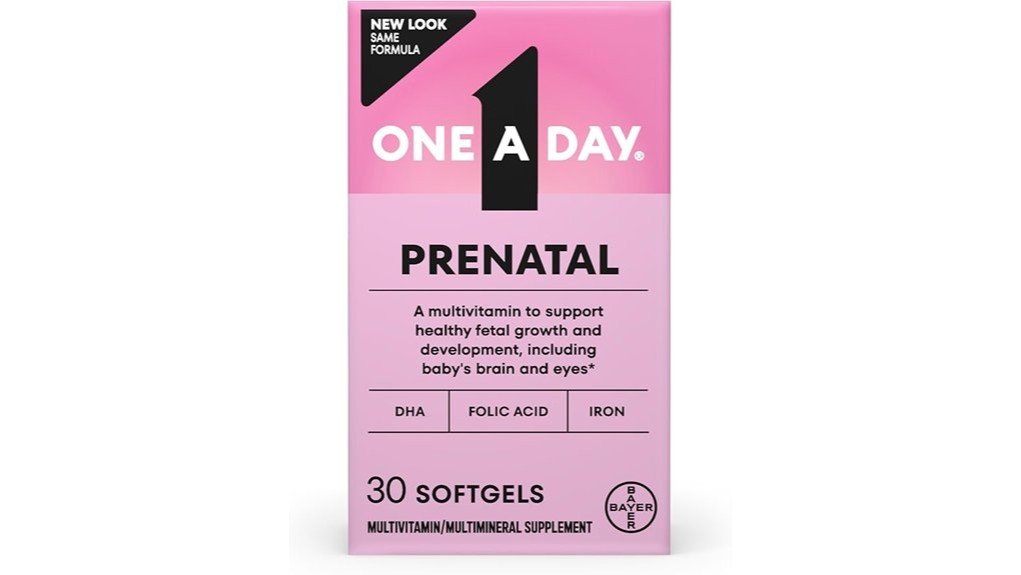
One A Day Prenatal is a prenatal multivitamin made to support the higher nutritional needs of pregnancy. The formula focuses on key nutrients such as folic acid, iron, and omega-3 DHA, which are commonly discussed in prenatal care.
One A Day Prenatal supports pregnancy nutrition with folic acid, iron, and omega-3 DHA.
It is intended to help address nutritional gaps that food alone may not fully cover during pregnancy. This does not mean it replaces a balanced diet, but it can make daily nutrient support easier to manage.
The product is best suited for people who want dependable, science-based support without a complex supplement routine. Since it includes iron, your comfort and tolerance matter just as much as the nutrient list.
Before You Buy: Prenatal vitamins should fit your health needs, diet, and current supplements. If you already take iron, folate, vitamin D, or other prenatal products, ask a clinician to check your total daily intake before combining them.
One A Day Prenatal Ingredients and Benefits
The formula centers on 19 essential nutrients selected to support pregnancy-related physiology. The article highlights folic acid for neural tube development, iron for oxygen transport, vitamin D for maternal and fetal support, and omega-3 DHA for brain and eye development.
Its composition is designed for nutrient absorption and measurable prenatal benefits, while remaining focused on nutrients commonly used in pregnancy support. The strongest benefit is convenience: you get several important prenatal nutrients in a single daily routine.
- Folic acid supports early embryologic formation.
- Iron helps maintain hemoglobin and oxygen delivery.
- Vitamin D contributes to calcium handling and immune function.
- DHA supports neural and visual maturation.
Folic Acid for Early Development
Folic acid is one of the main reasons many clinicians recommend a prenatal vitamin before and during pregnancy. In this formula, it supports early fetal development, especially neural tube formation.
Iron for Blood and Oxygen Support
Iron helps support healthy hemoglobin and oxygen transport. This can be useful during pregnancy because blood volume and iron needs may increase, but iron can also be harder on digestion for some users.
DHA for Brain and Eye Development
DHA is included for fetal brain and eye development support. This is a helpful addition for buyers who want omega-3 support inside the same prenatal routine instead of managing a separate DHA supplement.
Vitamin D and Choline Support
Vitamin D helps support calcium handling and immune function, while choline is included as part of broader prenatal nutrition support. These nutrients add value for users who want more than a basic folic-acid-only supplement.
How One A Day Supports Pregnancy
Designed to support the physiologic demands of pregnancy, One A Day Prenatal Vitamins provide key nutrients that help address common maternal and fetal nutrition gaps. The formula supplies folic acid, iron, vitamin D, and DHA to reinforce pregnancy health by supporting red blood cell formation, neural development, and maternal nutrient status.
It is intended to complement dietary intake when food alone is insufficient, offering a structured approach to daily prenatal care. By concentrating essential micronutrients in one regimen, it supports autonomy in managing nutrition while aligning with common prenatal nutrition goals throughout gestation and fetal growth.
Pro Tip: Take One A Day Prenatal with a meal you rarely skip, such as breakfast or dinner. A consistent food-based routine may help reduce stomach upset and make daily use easier to remember.
Who Should Buy It?
Best For
- Pregnant adults who want a simple daily prenatal vitamin with folic acid, iron, and DHA.
- People trying to conceive who want prenatal nutrient support before pregnancy is confirmed.
- Users who prefer a structured one-softgel daily routine instead of managing many separate supplements.
Skip If
- Your clinician has told you to avoid iron or limit iron intake.
- You need a confirmed vegetarian or vegan prenatal formula.
- You already take overlapping supplements and have not reviewed total dosage with a healthcare professional.
One A Day Prenatal Side Effects and Safety
Potential side effects of One A Day Prenatal Vitamins are generally related to their iron-containing formula, which may cause nausea, constipation, or stomach upset in some users, particularly when taken without food.
One A Day Prenatal Vitamins may cause nausea, constipation, or stomach upset, especially when taken without food.
Overall, the formulation is considered suitable for most pregnant adults, yet individual sensitivity warrants attention. Safety concerns are limited but should be respected in the presence of iron overload, gastrointestinal disorders, or allergies to any component.
- Monitor for persistent side effects.
- Discontinue if rash or severe discomfort occurs.
- Consult a clinician if safety concerns arise.
- Evaluate compatibility with prenatal care goals.
When to Be More Careful
You should be more cautious if you have a history of iron sensitivity, constipation, nausea with supplements, or a known allergy to any ingredient. You should also avoid doubling up with another prenatal unless a clinician confirms the combined nutrient levels are appropriate.
Safety During Pregnancy and Breastfeeding
The article notes that One A Day Prenatal is typically continued throughout pregnancy and often during breastfeeding, based on clinician guidance. Your needs can change after delivery, so it is wise to ask your healthcare provider whether this formula remains the right fit.
How to Take One A Day Prenatal Daily
One A Day Prenatal Vitamins are taken as one softgel daily with food to support consistent nutrient intake and reduce the likelihood of stomach upset.
The dosage recommendations are straightforward: one softgel should not be exceeded unless a clinician advises otherwise. Taking more than directed may increase the risk of side effects, especially if other supplements also contain iron, folate, or vitamin D.
Timing tips favor a fixed daily routine, such as breakfast or dinner, to strengthen adherence and preserve autonomy over self-care. The softgel should be swallowed whole with water.
If a dose is missed, it should be taken when remembered unless the next dose is near. Regular use supports maternal and fetal nutritional needs without unnecessary complexity.
How It Performs in Real Use
For Daily Pregnancy Nutrition
For daily use, One A Day Prenatal keeps the routine simple because the article directions focus on one softgel per day with food. This can help if you do not want to manage separate folic acid, iron, DHA, and vitamin D products.
For Sensitive Stomachs
The main concern is digestive comfort. Since the formula contains iron, some users may notice nausea, constipation, or stomach upset, especially when taking it without food.
For Trying to Conceive
The FAQ notes that it may be suitable for women trying to conceive because folic acid, iron, and DHA can support early reproductive and pregnancy nutrition needs. It should still be matched to your health history and clinician advice.
For Long-Term Use
Long-term value depends on whether you tolerate the formula well enough to take it consistently. A prenatal vitamin only helps if it fits your daily routine and does not create side effects that make you stop using it.
Common Mistakes to Avoid
- Taking it on an empty stomach: This may increase nausea or stomach upset for some users.
- Combining supplements without checking labels: Extra iron, folate, or vitamin D may not be appropriate for every person.
- Using it as a diet replacement: A prenatal vitamin helps fill gaps, but it does not replace balanced meals.
- Ignoring side effects: Persistent constipation, nausea, rash, or severe discomfort should be discussed with a clinician.
Pros and Cons
Pros
- Includes folic acid, iron, DHA, vitamin D, and choline for broad prenatal support.
- Designed as a simple one-softgel daily routine.
- Helps fill common dietary gaps during pregnancy.
- DHA support is useful for fetal brain and eye development.
- Clear food-based dosing may help improve tolerability.
Cons
- Iron may cause nausea, constipation, or stomach upset in some users.
- Not confirmed as vegetarian or vegan friendly in the article.
- May not be suitable if you need a customized prenatal plan from your clinician.
Is It Worth the Price?
One A Day Prenatal is worth considering if you want a familiar, straightforward prenatal vitamin with folic acid, iron, and DHA in the same daily routine. It offers strong value for everyday use because it covers several core prenatal nutrient categories without making the routine complicated.
The best value goes to buyers who want a simple supplement to support pregnancy nutrition and do not need a specialized formula. It is not the best fit if you have trouble tolerating iron, need a confirmed vegan option, or require clinician-directed dosing for specific nutrient levels.
How It Compares to Alternatives
Compared with a basic folic-acid-only supplement, One A Day Prenatal offers broader support because the article notes 19 essential nutrients, including iron and DHA. Compared with more specialized prenatal formulas, it may be simpler, but less tailored for people who need iron-free, vegan, gummy, or nausea-focused options.
The product makes the most sense if you want a balanced everyday prenatal vitamin from a widely recognized brand. If your priority is a custom nutrient profile, you may need to compare it with clinician-recommended alternatives.
Frequently Asked Questions
Is One A Day Prenatal suitable for women trying to conceive?
Yes, One A Day Prenatal is suitable for women trying to conceive; its folic acid, iron, and DHA may support early reproductive health. Evidence for fertility benefits is limited, but vitamin absorption is optimized with food.
Can One A Day Prenatal be taken with other supplements?
It can be taken with other supplements, but dosage guidelines should be reviewed first to avoid supplement interactions. A clinician may verify total iron, folate, and vitamin D intake, ensuring safe, optimized maternal support.
Does One A Day Prenatal cause nausea or stomach upset?
Yes, it can cause nausea or stomach upset in some users, especially on an empty stomach; individual nausea triggers vary. Taking it with food may improve digestive comfort and reduce irritation.
How long should I keep taking One A Day Prenatal?
Typically, it is continued throughout pregnancy and often during breastfeeding, per dosage recommendations. For example, a patient at 12 weeks may remain on it to support vitamin absorption and fetal development until a clinician advises otherwise.
Is One A Day Prenatal vegetarian or vegan friendly?
It is not confirmed as vegetarian or vegan friendly; ingredient review is needed for vegetarian ingredients and vegan certification. The softgel may contain animal-derived components, so consumers should verify labeling with the manufacturer directly.
Should I take One A Day Prenatal with food?
Yes, the article recommends taking one softgel daily with food. This may reduce the chance of nausea or stomach upset, especially because the formula contains iron.
Can One A Day Prenatal replace a healthy pregnancy diet?
No, it should not replace balanced meals. It is designed to help fill nutrient gaps while your diet still provides calories, protein, fiber, fluids, and other food-based nutrients.
Who should ask a clinician before using it?
Ask a clinician first if you have iron overload concerns, gastrointestinal disorders, allergies, or take other supplements with overlapping nutrients. You should also seek guidance if side effects persist or feel severe.
The Bottom Line
One A Day Prenatal Vitamins present a clinically relevant option for pregnancy support, supplying 19 essential nutrients, including folic acid, iron, and DHA, to help meet increased maternal demands. Can a single supplement fully replace a balanced prenatal diet? No, but it can meaningfully reduce nutritional gaps and support fetal development, neural tube formation, and red blood cell production.
It is best for buyers who want a simple daily prenatal with broad nutrient support and clear dosing. You may want to skip it or ask for guidance if iron causes digestive discomfort, if you need a vegan formula, or if your clinician recommends a more customized prenatal plan.

