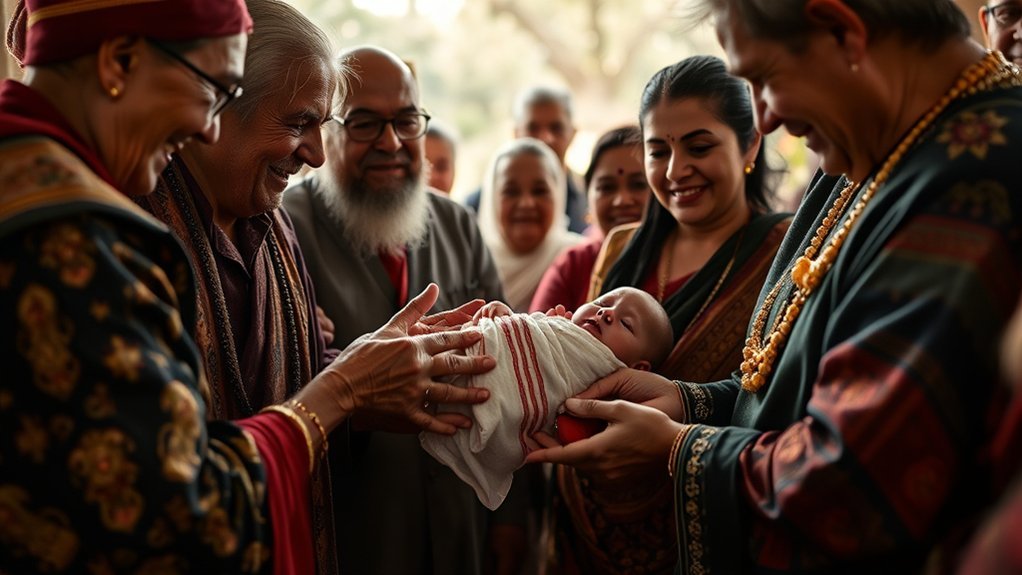
A naming ceremony matters because it gives you a public, joyful way to welcome a child into family and community life. It affirms belonging, reflects your values, and shares responsibility for the child’s future. When you include loved ones, traditions, and personal touches, the event strengthens support networks and creates lasting memories. It’s also flexible, so you can shape it around your culture, your people, and what feels true to you.
What Is a Naming Ceremony?
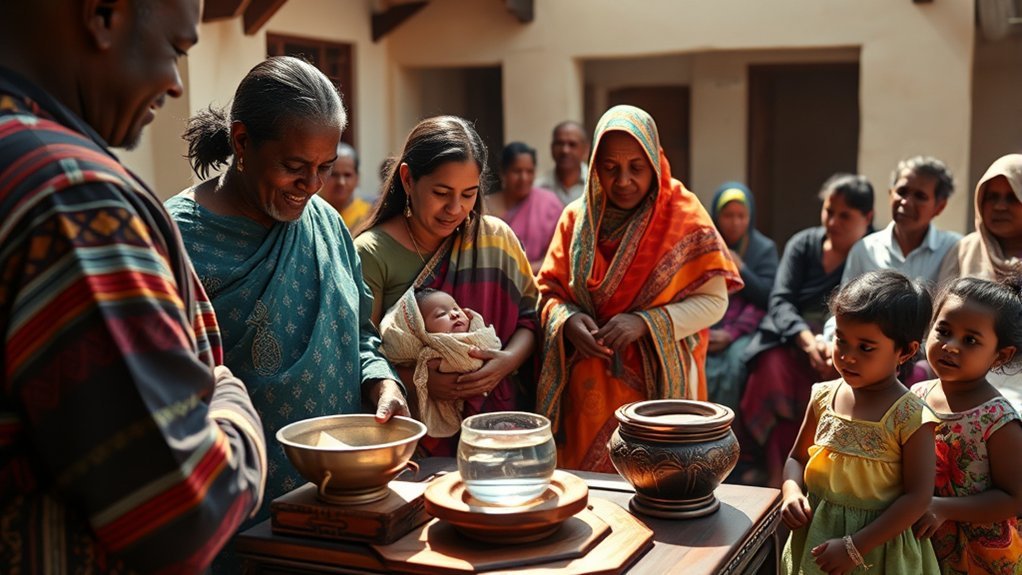
It gives you space to celebrate the arrival in a way that reflects your values, culture, and chosen traditions. You might plant a tree, light a candle, or weave in rituals from different backgrounds, showing how family and community can meet without hierarchy.
Because the event welcomes multicultural and LGBTQ+ families, you can shape it as freely as your life deserves. A professional celebrant helps you design and lead the ceremony, keeping it personal, inclusive, and memorable.
Because the event welcomes multicultural and LGBTQ+ families, your ceremony can be shaped as freely as your life deserves.
With that guidance, you can create lasting memories while marking a child’s place in a community that sees and respects them.
Why Naming Ceremonies Matter to Families
Naming ceremonies matter because they give you and your family a deliberate moment to welcome a child with joy, meaning, and shared attention. In a naming ceremony, you don’t just announce a name; you affirm a new person’s place in the family and in the wider world. That public recognition can deepen belonging, especially when relatives and friends gather in a celebration of life that honors growth, continuity, and care.
These moments also create lasting memories, and those memories become part of your family’s shared history. You may notice how the ritual reflects cultural heritage, linking generations while adapting to your values. It also offers support for new parents, reminding you that parenting isn’t meant to happen in isolation.
When you mark a child’s name with intention, you strengthen family identity, nurture dignity, and affirm the freedom to define belonging on your own terms.
How Naming Ceremonies Strengthen Community Bonds
When you bring family and friends together for a naming ceremony, you create more than a private milestone; you build a shared moment that strengthens community ties. You can see how a naming ceremony helps your child enter public life with dignity, while neighbors witness their place in the circle.
- It deepens a sense of belonging early.
- It welcomes extended family into active support.
- It honors diverse cultural traditions with respect.
- It opens space for networking and care.
- It reinforces shared values through collective joy.
When you invite your community, you don’t just mark a name; you affirm that children grow best within relationships, not isolation.
This gathering can widen support systems, encourage collaboration, and reflect the cultural richness that makes your community resilient. In that way, your ceremony becomes a living expression of mutual recognition, where freedom, connection, and shared responsibility meet.
Naming Ceremony Traditions and Personal Touches
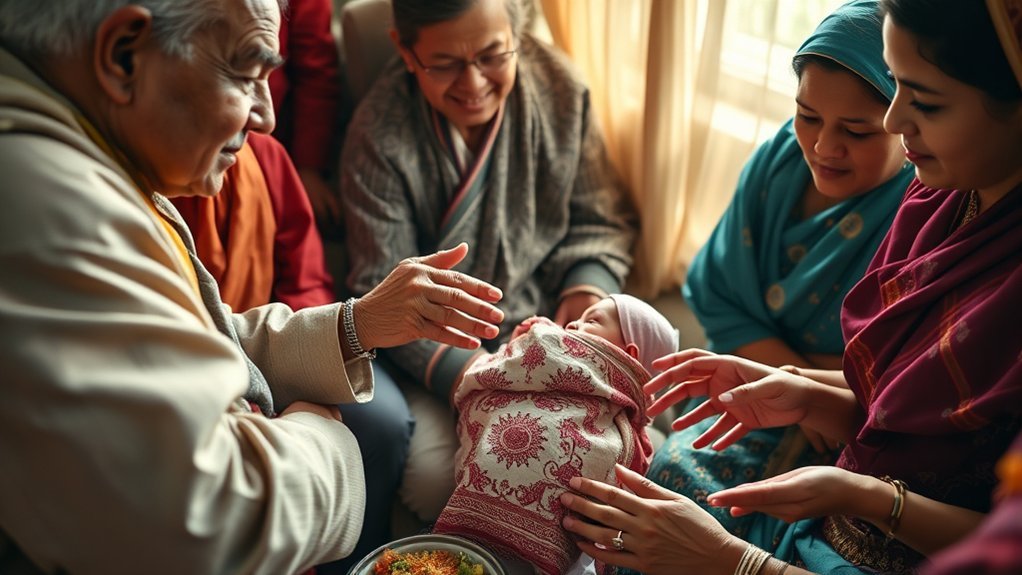
Tradition and individuality often meet beautifully in a naming ceremony, where you can weave family heirlooms, meaningful names, and custom rituals into a single, coherent celebration. You honor tradition by passing down a name, a keepsake, or a story that links your child to ancestors and to the community that shaped you.
At the same time, personal touches let you choose rituals that reflect your values, whether you plant a tree, pour sand, or invite a reading that speaks to your hopes. Those details don’t dilute meaning; they deepen it.
A celebrant can help you shape the ceremony so it feels authentic, not scripted. When loved ones take part, they affirm your child’s place among them. That shared witness turns the naming ceremony into a cherished memory, one that carries identity, belonging, and freedom forward.
Choosing the Right Time and Place
When you choose a naming ceremony time with care, you can make it easier for family and friends to attend, especially if you leave room to adjust around other commitments.
You’ll also shape the ceremony’s meaning by picking a place that feels personally significant, whether that’s a family home, a park, or another setting that reflects your values. Additionally, considering cultural attitudes towards supplements can enhance the inclusivity and understanding of your ceremony, as family beliefs play a crucial role in shaping such events.
Flexible Ceremony Timing
A naming ceremony can be scheduled whenever it best suits your family, whether that means a daytime gathering, an evening celebration, a weekday, or a weekend.
With flexible ceremony timing, you honor people’s realities and widen participation. You can choose a location that feels welcoming, and that choice helps create a relaxed atmosphere.
Consider:
- daytime for elders
- evenings for working guests
- weekends for travel ease
- weekdays for intimate circles
- meaningful venues tailored to reflect your values
This approach recognizes that liberation includes access: people can gather without strain, and traditions can breathe.
When you match time and place to your community’s rhythm, you build a ceremony that feels personal, culturally grounded, and easy to share.
The result is a more connected celebration where everyone can arrive present, open, and ready to bond.
Meaningful Venue Choices
The right place can do as much as the right time to shape a naming ceremony that feels intimate and sincere. When you make meaningful venue choices, you honor the values that guide your family and community.
A family home can carry memories, while a community hall can welcome a wider circle with ease. You might also choose a garden, local park, or culturally significant site to strengthen personal connection and affirm belonging.
This flexibility in venue selection lets you design a setting that reflects who you are, not what tradition demands by default. A familiar, comfortable space can invite relaxed voices, open support, and shared joy.
When the venue feels true, the ceremony gains depth, and everyone present can witness a celebration that’s both authentic and liberating.
Personal Schedule Freedom
Because naming ceremonies aren’t bound to fixed religious timings, you can choose a date and place that genuinely fit your family’s rhythm. That freedom lets you align the naming ceremony with your personal schedule, not someone else’s rules.
Families choose weekdays or weekends, morning or evening, and spaces that carry meaning, so the event feels lived-in and local.
- Backyard gatherings feel intimate
- Community halls welcome wider kin
- A park can soften formality
- Evening timing eases work demands
- Familiar places deepen emotional resonance
When you decide freely, you create room for ease, dignity, and memory. This flexibility helps reflect the family’s values without pressure, and it gives your celebration a clear sense of ownership.
What a Naming Celebrant Does
When you work with a naming celebrant, the ceremony becomes more than a formality—it becomes a tailored expression of family values, traditions, and identity.
A naming celebrant turns a simple ceremony into a meaningful reflection of your family’s values and identity.
In your naming ceremony, the celebrant listens closely, then shapes words, readings, and music that fit your story. You’re not handed a generic script; you’re guided through choices that honor your family and its distinct cultural rhythm.
The celebrant also helps you design rituals, like tree planting or sand ceremonies, that symbolize connection and commitment without dictating meaning from above.
During planning, they steady the process, handling logistics while you stay focused on what matters: welcoming a child with intention. This support can ease pressure and protect your energy.
Meaningful Ideas for a Naming Ceremony
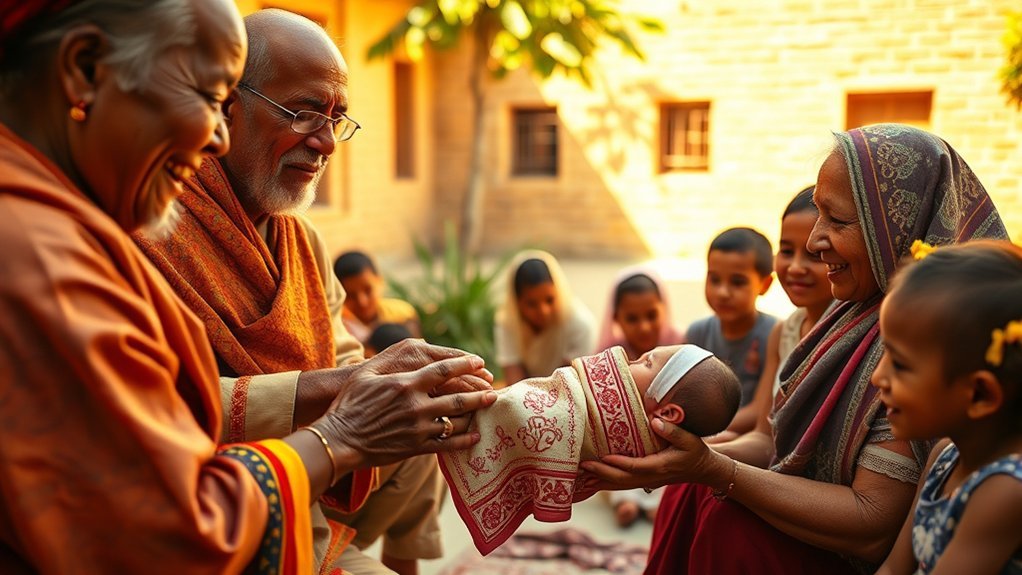
A meaningful naming ceremony starts by treating the event as a public welcome into a child’s life, not just a symbolic gesture. You can shape the naming ceremony around meaningful rituals that reflect your family’s values and your community’s care for the new baby.
Invite loved ones and family members who’ll stand beside the child as steady witnesses and guides.
- Plant a tree to mark growth and rooted belonging
- Light a candle to honor hope and protection
- Choose music that speaks to your story
- Read words that affirm dignity, culture, and freedom
- Hold the ceremony in a place that matters to you
You don’t need grandeur; you need intention. When you select a time and setting with personal meaning, you create space for presence, not performance.
That choice can strengthen community ties and help every guest feel the child is already held by a network of support.
How to Make the Day Memorable
To make the day memorable, you can focus on details that feel personal rather than polished, so the ceremony reflects your family’s story and values.
In your naming ceremony, add personalized elements like a memory box, a tree planting, or symbols from your heritage; these choices can speak more loudly than borrowed formality.
If you want to engage loved ones, invite them to offer blessings, poems, or hopes for the child, turning the event into shared care rather than a passive audience.
Themed decorations can echo your culture or the child’s name, while simple roles for the child help them feel seen and included.
To create lasting memories, document the day with photos or video, ideally through someone trusted who understands the atmosphere.
Unlike some traditional religious ceremonies, yours can blend reverence with freedom, making space for your community, your vision, and your child’s future.
Frequently Asked Questions
Why Is Naming Ceremony Important in Your Community?
You see naming ceremonies matter because they honor cultural heritage, deepen family bonding, shape identity formation, affirm community values, and strengthen spiritual connection; you’re also building shared memory, trust, and collective support for everyone.
What Is the Significance of the Naming Ceremony?
You see vibrant, meaningful naming ceremonies shape identity formation, cultural heritage, and family bonding. Through celebratory rituals and community involvement, you’re welcomed, recognized, and supported, while your story starts with dignity, belonging, and liberation.
Why Ceremonies Are Important in Our Community?
You see ceremonies strengthen cultural heritage, build community bonds, support identity formation, carry ritual significance, and preserve family traditions. They help you connect, remember, and resist isolation while honoring shared values and collective freedom.
In Which Way Is Naming Children Important in a Society?
You name children, and they’re instantly tied to cultural identity, personal significance, and community values. That shared moment sparks social bonding, preserves heritage, and, almost by coincidence, reminds you how society grows stronger through belonging.
Conclusion
As you reflect on a naming ceremony, you see more than a joyful gathering—you see a thread that binds family, faith, and community. Like a modern-day rite of passage, it marks belonging and hope, echoing old traditions while making room for your own values. When you choose a ceremony that feels true to your people, you give your child not just a name, but a place in the story you’re all writing together.
