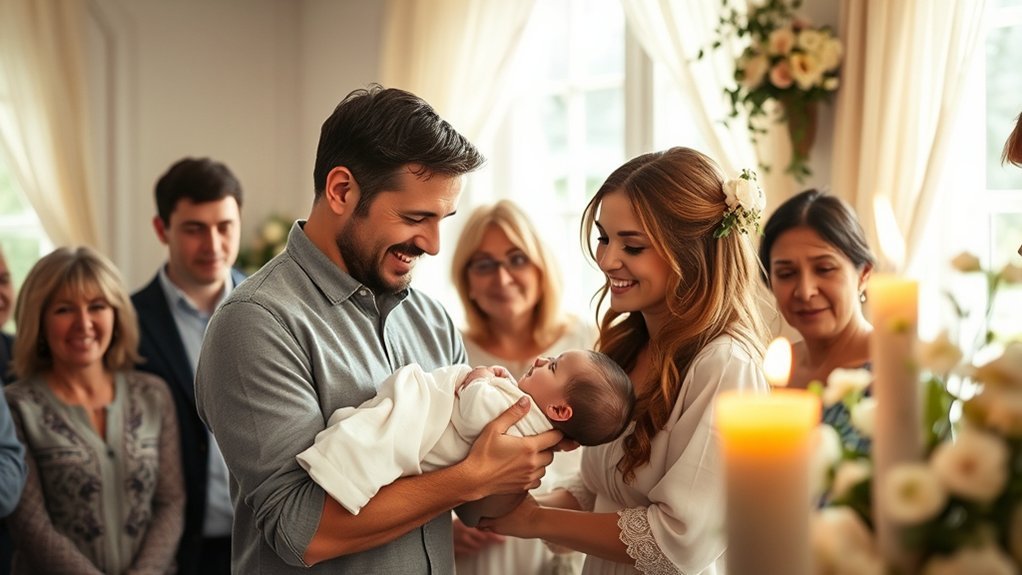
Picture standing at the edge of a vast ocean, each wave carrying the hopes you hold for your child. Naming ceremonies are that shoreline — they mark the start of your child’s journey in life. These events go far beyond choosing a name. They bring together family ties, cultural heritage, and personal hopes in one shared moment. At their core, they speak to community and identity, and their effects can last a lifetime.
Quick Answer
- Naming ceremonies mark a child’s entry into family and community life, going well beyond the act of choosing a name.
- They carry deep cultural weight, connecting children to heritage, ancestral roots, and shared values.
- For Indigenous communities, reclaiming traditional naming practices is an act of cultural healing and resistance.
- These ceremonies involve rituals, promises from loved ones, and symbolic gestures that strengthen bonds for years to come.
Significance of Naming Ceremonies for Families
Naming ceremonies hold deep meaning for families. They mark a turning point in a child’s life that goes far beyond picking out a name.
When you take part in a naming ceremony, sometimes called a celebration of identity, you build a real connection to your cultural traditions. The event acknowledges the shared responsibilities of family and community in raising a child.
During the ceremony, loved ones make rituals and promises, reinforcing their commitment to guiding your child’s upbringing. These moments let you express your values and hopes, giving the event genuine personal meaning. A naming ceremony fosters belonging and pride, helping your child grow up rooted in their heritage even as the world around them changes.
The Historical Context of Naming Practices
To understand naming practices today, it helps to look at where they came from — and what was done to suppress them.
Colonial forces disrupted Indigenous naming traditions and imposed foreign conventions in their place. This didn’t just affect what people were called. It stripped away cultural identity, caused generational trauma, and left many communities cut off from their roots.
Today, a growing movement is working to reclaim these practices, giving families a path back to their heritage and a way to heal through the power of traditional names.
Colonial Impact on Traditions
Colonial rule reshaped the naming practices of Indigenous peoples in lasting ways. By enforcing Anglo-Saxon naming conventions, colonizers suppressed Indigenous languages and traditions, creating a deep rift in cultural identity and causing generational trauma.
Names are tied to who people are and where they come from. When traditional naming practices were taken away, family well-being and cultural continuity suffered. Church and state institutions undermined the religious traditions that once guided the naming process, severing ties to ancestral roots.
This history makes clear why reclaiming names is so important for Indigenous communities today. It is not a symbolic gesture — it is an act of resilience and healing.
Reclamation of Indigenous Practices
The legacy of colonialism still lingers, but Indigenous communities are actively reclaiming their traditional naming practices as a step toward restoring cultural identity.
The suppression of these practices by church and state caused a profound loss of traditional names, which are vital to family well-being and community connection.
The reclamation process often involves obtaining a spirit name, where individuals present tobacco to an elder who calls on ancestral guidance. These names carry deep responsibilities and serve as ties to land and heritage.
As communities heal from generational trauma, embracing traditional names becomes a powerful act of resistance. For many, reclaiming traditional names fosters a sense of belonging and reaffirms cultural identity in the face of a history of disruption.
The Process of a Meaningful Naming Ceremony
Planning a meaningful naming ceremony means focusing on more than just the name itself. The real value lies in the connections it builds within your family and community.
During Baby Naming Ceremonies, parents publicly announce their chosen name and share what it means. This enriches the child’s identity from the very start. Involving family members and supporting adults is key — they often make promises to nurture and guide the child as they grow.
Symbolic rituals, like sand blending or tree planting, give the ceremony a visual anchor. They represent unity and growth in a way that words alone cannot. Readings that reflect your values reinforce a shared commitment to your child’s future.
A signed certificate ties it all together, serving as a lasting reminder of the promises made on that day.
Cultural and Community Connections Through Names
Names are far more than labels. They weave your child’s identity into the fabric of your cultural heritage.
Through naming, you create bonds that strengthen community ties while honoring ancestral traditions. This process enriches your child’s sense of belonging and fosters a collective responsibility for their growth and well-being.
Names and Identity Formation
Names act as anchors to cultural heritage and community values. When you choose a name for your child, you are not just picking a label — you are embedding meaning that reflects family history and cultural beliefs.
Traditional names, rich in significance, often carry aspirations for your child’s future, giving them something to grow into. In many Indigenous cultures, names connect children to spiritual teachings and nature, shaping their identities within the community.
Reclaiming traditional names also counters historical erasure, fueling cultural revival. Involving sponsors during naming ceremonies reinforces the idea that raising a child is a shared responsibility, deepening their ties to both family and community.
Community Bonding Through Names
A strong sense of community often grows from shared naming ceremonies. These events unite families and friends in celebration and serve as pivotal moments that strengthen bonds across an entire network.
Names chosen with cultural and religious significance link your child to ancestral roots and collective stories. Sponsors involved in the ceremony symbolize the community’s commitment to nurturing the child, highlighting the role of collective support.
Reclaiming traditional names, especially in Indigenous communities, fosters belonging and continuity, building resilience and unity across generations. These celebrations strengthen cultural narratives, ensuring they carry forward long after the ceremony itself. They can also deepen understanding of the approach to maternal health, which places community involvement at the center of raising healthy future generations.
The Impact of Names on Identity and Self-Perception
The choice of a name can shape how children see themselves and how others see them — more than most parents realize.
A name’s meaning can influence a child’s self-esteem and social interactions over time. Research suggests that children with unique names may face greater scrutiny, which can affect their confidence. Names often carry cultural significance, helping kids connect with their heritage and build a sense of identity.
Certain names can also call up specific personality traits in the minds of others, influencing social dynamics from an early age. Historical data shows that names aligned with societal preferences can lead to different social outcomes. The name you choose carries emotional weight, with the potential to shape your child’s development and sense of possibility for years to come.
Personalizing Your Baby Naming Ceremony
A personalized baby naming ceremony is a real opportunity to weave in unique rituals and traditions that reflect your family’s values and cultural heritage.
Crafting a personalized baby naming ceremony allows you to celebrate your family’s values and cultural traditions in a meaningful way.
This event lets you express your hopes for your child’s future while building a genuine sense of community around them.
A few ideas to consider:
- Involve godparents: Talk through their commitments to your child, and make those promises part of the ceremony.
- Incorporate symbolic gestures: Sand blending or candle lighting can represent unity and love in a way everyone will remember.
- Invite family members to speak: Encourage siblings and grandparents to share their hopes, deepening the emotional connections in the room.
Celebrating New Beginnings With Loved Ones
Naming ceremonies bring people together around a new life, uniting family and friends in a shared moment of joy. When parents hold such a ceremony, they invite their community to be part of something lasting, strengthening bonds and support networks in the process.
These gatherings center on shared love and commitment. Attendees express their hopes and dreams for the child’s future, and traditions like lighting candles or planting trees give those feelings a tangible form. They represent unity and growth in ways that stay with everyone present.
The celebratory meal that often follows keeps the connection alive, letting everyone bond over food and festivity. By gathering their community, parents acknowledge the role that family and friends play in raising a child — and strengthen those ties from day one.
Frequently Asked Questions
What Is the Naming Ceremony for Parents?
A naming ceremony is your chance to celebrate your child’s identity, publicly commit to nurturing them, and involve family and friends in shared promises. It is a personalized event that reflects your values and hopes for their future.
What Is the Purpose of a Naming Ceremony?
A naming ceremony celebrates your child’s identity, strengthens community ties, and honors family traditions. It showcases your commitment to nurturing them, shares the name’s significance, and fosters emotional connections among family and friends.
What Are the 4 Significance of Naming Ceremonies?
Naming ceremonies establish a child’s identity, foster community belonging, celebrate family support, and honor cultural traditions. These elements work together to create a network of care around the child’s future.
What Do Godparents Promise at the Naming Ceremony?
At the naming ceremony, godparents promise to be your child’s life coaches, guiding them through emotional chaos and teenage melodrama. They vow to sprinkle wisdom like confetti, attending milestones and nurturing values with enthusiastic dedication.
Conclusion
Naming ceremonies do more than welcome a new life. They weave together past traditions and future hopes in a single, shared moment. The act of naming may seem simple, but it carries the weight of identity and belonging. As family and friends gather, the contrast between individual hopes and collective heritage comes into clear focus. Each name given is both a personal gift and a shared legacy, one that connects a child to something larger than themselves from their very first days.

