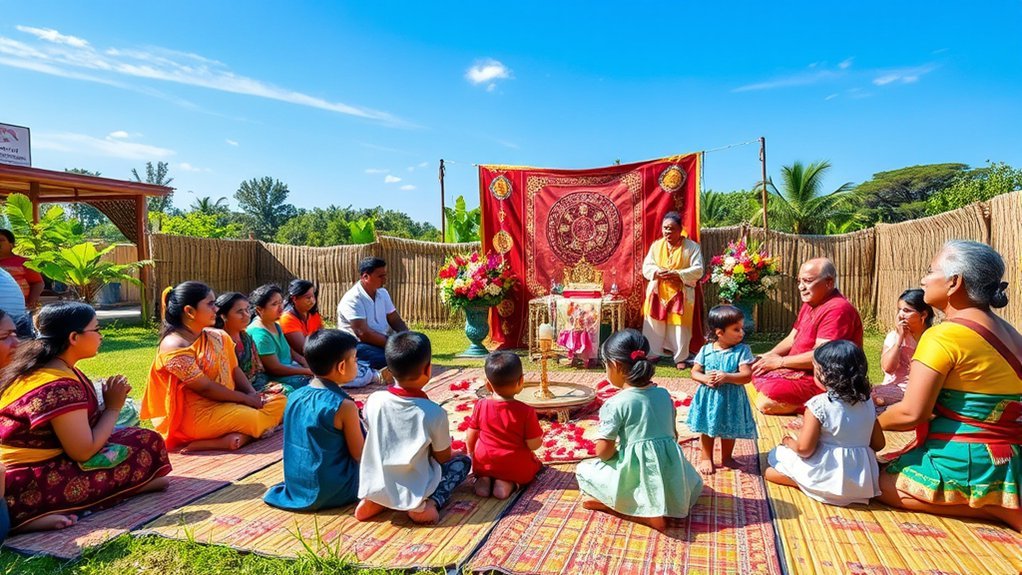
Planning a naming ceremony often means balancing personal traditions with the diverse backgrounds of your guests. The goal is to create an event that reflects your family’s values while making everyone feel genuinely included. You can involve siblings and loved ones in meaningful ways, stay flexible in your approach, and still build a celebration that feels cohesive and heartfelt.
Quick Answer
- Personalize the ceremony with readings, rituals, and music that reflect your family’s identity.
- Give siblings specific roles so they feel valued and connected to the new family member.
- Incorporate symbolic acts like tree-planting or candle ceremonies to make the day memorable.
- Be mindful of guests’ dietary needs, cultural backgrounds, and comfort levels.
- Work with a celebrant to craft meaningful promises that capture your hopes for your child.
Personalizing the Ceremony
A personalized naming ceremony creates a meaningful experience rooted in your family’s unique identity and values.
Start by choosing readings and rituals that reflect your beliefs and cultural background. Family stories and traditions add emotional depth, making the day feel genuinely yours rather than generic.
Assign roles to loved ones so they can read passages or take part in rituals. This builds a sense of community and gives people a real stake in the moment.
Choosing a venue with personal significance, such as your home or a beloved garden, adds intimacy. And crafting personalized promises to your child lets you put your hopes and aspirations into words, making the ceremony even more powerful.
Including Siblings in the Celebration
Actively including older siblings in a naming ceremony reinforces their place in the family and helps them feel genuinely part of the occasion.
Give them specific roles, like reading a poem or performing a short song, so they have something to contribute and remember. A special toy or gift can also honor their new role as a big sibling.
Encouraging siblings to make their own promises to the new family member strengthens their bond early on. Recognizing each sibling’s contribution throughout the ceremony reinforces the family unit and turns the event into a shared memory for everyone present.
Embracing Creativity and Flexibility
A naming ceremony doesn’t need to follow a fixed script. Flexibility in timing, location, and structure lets you build an experience that truly fits your family.
Incorporating unique rituals or personally chosen readings creates a deeper connection to your heritage. And being open to adjusting the plan strengthens the sense of community around the celebration.
Personalize Your Ceremony
Choosing readings, rituals, and music that resonate with your family is the foundation of a meaningful event.
Symbolic actions like tree-planting or sand-blending give your hopes for your child a tangible form. Invite family and friends to participate in special rituals, such as writing messages of hope or making spoken promises. This creates shared ownership of the moment rather than a passive audience experience.
Flexibility in timing and location means you can choose a setting that feels personal, whether that’s a home, a garden, or somewhere else entirely. A celebrant can help you design a ceremony that captures what makes your family unique.
Incorporate Family Traditions
Weaving family traditions into the ceremony honors your heritage and creates a real connection to your ancestors.
Blending different customs lets you personalize rituals so they reflect your family’s unique story. This flexibility also makes the ceremony more inclusive, since traditions can be adapted rather than imposed. Bringing extended family into the planning process shows respect for diverse backgrounds and results in a richer experience for everyone.
Readings or symbolic actions that highlight your family’s journey give your child’s naming ceremony a sense of depth and history. The result is a memorable celebration that reflects both where your family comes from and where it’s headed.
Incorporating Meaningful Promises
Meaningful promises give the naming ceremony its emotional core. They let parents and guideparents put their hopes and commitments for the child’s future into words.
Promises work best when they reflect family values and feel personal rather than formulaic. You can write your own vows or ask the celebrant for guidance to make sure they align with your aspirations. If public speaking feels daunting, the celebrant can deliver the promises on your behalf while still capturing your intentions.
Guideparents can also share their commitments, expanding the child’s network of love and support from the very beginning. Personalizing these promises around specific values makes the ceremony not only memorable but a genuine affirmation of your dedication to your child’s upbringing.
Respecting Guests’ Comfort Levels
Your guests come from different backgrounds, and a thoughtful host accounts for that. Dietary needs, cultural differences, and physical comfort all shape how welcome people feel.
Consider Dietary Restrictions
Ask about dietary restrictions when you send invitations. It’s a simple step that signals you’ve thought about your guests as individuals.
A diverse menu should include vegetarian, vegan, gluten-free, and allergen-free options. Label all food items clearly so guests can identify ingredients without having to ask. If you’re serving traditional dishes, check in advance about any cultural or religious dietary requirements.
Offering a range of beverages, including non-alcoholic choices, rounds out an inclusive atmosphere where everyone can participate comfortably.
Seating Arrangements Matter
Good seating arrangements make guests feel at ease and encourage natural conversation. Here are some practical considerations:
- Size and layout: Confirm the venue has enough space for guests to move and interact freely.
- Family and friends: Seat close family members together, but stay aware of any sensitivities between guests.
- Seating options: Offer both social and quieter arrangements so guests can choose what suits them.
- Accessibility: Place older guests or those with mobility needs near the front in accessible seating.
Respect Cultural Differences
Guests bring different cultural backgrounds to a naming ceremony, and the same ritual can carry very different weight for different people.
Be sensitive to dietary restrictions and religious beliefs that might affect participation. Communicate the ceremony’s structure and expectations clearly so no one feels lost or excluded. Involving family members from different faiths by giving them meaningful roles creates a more collaborative and richer experience for everyone.
Open, respectful conversations about the ceremony’s significance go a long way toward building an atmosphere of genuine inclusion.
Selecting Symbolic Acts and Rituals
Symbolic acts give the ceremony texture and make it more than a formal announcement. They also create shared moments that guests remember long after the day is over.
Here are some meaningful ways to bring symbolism into your ceremony:
- Tree-planting or sand-blending rituals to represent growth and connection.
- Invite guests to write messages of hope on tags for a tree, reinforcing community bonds.
- Unity candle or ribbon ceremonies to represent shared values and togetherness.
- A family tree of fingerprints, letting each family member add their own unique mark.
These rituals reflect your family’s beliefs and weave them into your child’s identity from the very start. They also give every participant a genuine connection to the moment, rather than just witnessing it.
Frequently Asked Questions
What to Do at a Naming Ceremony?
Include meaningful readings, invite family and friends to take part, choose a venue that fits your family, and plan a celebratory meal. A skilled celebrant can guide the ceremony and help make sure it reflects your family’s values and beliefs.
What Are the Five Important of Naming Ceremonies?
Naming ceremonies foster community bonds, celebrate cultural heritage, honor family values, create lasting memories, and give parents a chance to express their hopes for their child’s future. These shared experiences strengthen your family’s connections in a lasting way.
Who Usually Hosts a Naming Ceremony?
Parents typically host the ceremony and make the key decisions. A celebrant may guide the event, while family members and close friends participate to create a shared and meaningful experience.
What Is the Dress Code for a Naming Ceremony?
Smart-casual or semi-formal attire is the usual choice, reflecting the joyful nature of the occasion. For religious ceremonies, modest clothing is more appropriate. Comfortable footwear matters too, especially if the event involves standing or outdoor elements.
Conclusion
Weaving your family’s values and traditions into a naming ceremony creates a celebration that feels personal and connected. Involving siblings, staying flexible with the format, and being thoughtful about your guests’ diverse needs all contribute to an event where everyone genuinely feels welcome. Add symbolic acts that reflect your family’s identity, and the day becomes something that resonates far beyond the ceremony itself.