
Lochia is the vaginal discharge your body produces after childbirth. It marks the uterus returning to its pre-pregnancy state, moving through three distinct stages over several weeks. Understanding what’s normal — and what isn’t — can help you recover with more confidence and catch problems early.
Quick Answer
- Lochia is a normal mix of blood, mucus, and uterine tissue that appears after delivery and typically lasts four to six weeks.
- It moves through three stages: bright red (Rubra), pinkish-brown (Serosa), and creamy white (Alba).
- A foul odor, heavy soaking, or large clots are warning signs that need prompt medical attention.
- Factors like delivery type, breastfeeding, and overall health can all affect how lochia looks and how long it lasts.
What Is Lochia?
Lochia is the vaginal discharge you experience after childbirth, consisting of blood, mucus, and uterine tissue.
This postpartum discharge helps your uterus return to its pre-pregnancy state by clearing out the blood and tissue that built up during pregnancy.
The flow starts heavy and gradually lightens over several weeks. The color also shifts — from dark red or bright red, to pinkish-brown, and finally to a creamy, yellowish-white.
Lochia shouldn’t smell foul or fishy. If it does, that can signal an infection. Any unusual symptoms are worth a call to your healthcare provider. Understanding postpartum health can help you recognize potential complications during recovery.
The Stages of Lochia
Lochia Rubra comes first, presenting as a bright red flow made up primarily of blood and lasting about 3–4 days. This is followed by Lochia Serosa and Lochia Alba, each indicating continued healing with changes in color and consistency. Understanding the importance of postpartum recovery is essential for new mothers navigating this healing process.
Lochia Rubra Characteristics
The Lochia Rubra stage is the first phase of postpartum recovery, typically lasting 3 to 4 days.
During this stage, you’ll notice a reddish-brown discharge caused by red blood cells. The bleeding is generally heavier and may include small blood clots, both of which are considered normal.
This stage shows that your uterus is contracting effectively, expelling the placental site and reducing bleeding — which lowers the risk of postpartum hemorrhage.
You may notice increased bleeding during uterine contractions, breastfeeding, or when you move around. That’s usually not a cause for concern.
Lochia Rubra is a key part of your uterus returning to its pre-pregnant state.
Lochia Serosa and Alba
After Lochia Rubra, you’ll move through two more stages.
Lochia Serosa typically occurs between days 5–9 after delivery. The discharge turns clear and brownish, with less blood and more serum. Red blood cells decrease while white blood cells increase — a sign of normal healing.
Lochia Alba follows next, typically starting around day 10–12 and lasting up to six weeks after delivery, though some women notice traces for up to eight weeks. It appears as a creamy white or pale yellowish discharge and signals the end of postpartum bleeding.
The shift from Lochia Serosa to Alba reflects reduced inflammation and active tissue repair. Breastfeeding and overall health can influence how long each stage lasts, so attentive postpartum care matters throughout.
Causes of Lochia
Lochia results from the shedding of the uterine lining after childbirth. This process helps the uterus revert to its pre-pregnancy state.
The discharge is how your body expels the excess blood, tissue, and fluids that accumulated during pregnancy and delivery.
Initially, lochia rubra presents as red blood loss, signaling the body’s active shedding of the uterine lining.
As hormonal changes occur, lochia moves through its stages, reflecting ongoing recovery. It’s made up of blood, mucus, and tissues — and also contains bacteria and microorganisms.
Factors like delivery type and uterine health can affect how much lochia you have and how long it lasts. Recognizing warning signs related to lochia plays a meaningful role in maternal health outcomes.
Risk Factors for Lochia in the US
Several factors can raise your risk of lochia complications.
Women who’ve had a cesarean delivery face a higher risk of postpartum hemorrhage, with rates of 844.7 per 100,000 births compared to 544.9 for vaginal births.
Multiple pregnancies raise that risk further, with postpartum hemorrhage rates reaching 1,441.9 for twins and 2,444.4 for triplets.
Uterine atony — when the uterus doesn’t contract firmly after delivery — is the primary cause of excessive bleeding and accounts for approximately 80% of postpartum hemorrhage cases.
A history of bleeding disorders, such as von Willebrand disease, also raises the risk of lochia complications and infection. These factors can delay recovery for weeks after childbirth. Access to pediatric healthcare systems is also important for ensuring comprehensive postpartum care for new mothers.
Understanding Normal Versus Abnormal Lochia

Knowing the difference between normal and abnormal lochia is vital for postpartum recovery. Pay close attention to color, odor, and consistency — these can all reflect how well you’re healing or flag a potential problem. If something changes suddenly or concerns you, reach out to your healthcare provider. Keeping open communication with your healthcare provider helps address postpartum concerns quickly.
Lochia Color Changes
Color is one of the clearest indicators of where you are in your recovery.
| Lochia Stage | Color | Duration (Days Postpartum) |
|---|---|---|
| Lochia Rubra | Bright/dark red | 3–4 |
| Lochia Serosa | Pinkish-brown | 5–9 |
| Lochia Alba | Creamy yellowish-white | 10–15 to 6 weeks |
Lochia Rubra indicates normal healing in progress. Lochia Serosa shows the discharge transitioning. Lochia Alba signals the final stage. A sudden return to bright red bleeding, or foul-smelling discharge, may indicate complications and warrants immediate medical attention. Always report unusual changes to your healthcare provider.
Odor and Consistency
Normal lochia has a stale, musty odor similar to menstrual discharge. The flow should gradually lighten from heavy, bright red bleeding to softer shades over time.
A foul smell may indicate an infection that needs treatment. The consistency matters too — lochia should be thin and may contain small clots. If it becomes thick, clumpy, or includes large clots, that could signal a complication.
Lochia that stays bright red and heavy past the first 3–4 days may mean your uterus isn’t shrinking as it should. Any sudden change in odor or consistency is worth a call to your healthcare provider.
When to Seek Help
Certain symptoms need immediate medical attention.
If you’re bleeding heavily enough to soak through a pad in less than an hour, or that level of bleeding lasts for several hours, seek help right away — this may indicate postpartum hemorrhage.
Large blood clots bigger than a golf ball could point to retained placenta or a bleeding disorder. A sudden return of heavy bleeding, foul-smelling discharge, or severe pain that doesn’t respond to normal pain relief are also red flags.
These symptoms may indicate infection, uterine atony, or retained placenta. Getting help quickly can prevent serious complications.
The Role of Uterine Involution
Uterine involution is the process by which the uterus returns to its pre-pregnant size after delivery. It begins immediately after birth and continues for about six weeks.
In the first days, the top of the uterus (the fundus) drops to the level of the navel, then to the level of the pubic bone within about a week — a clear sign the uterus is shrinking.
Effective involution helps manage blood flow and reduces the risk of postpartum hemorrhage by closing off the placental site. Oxytocin, a hormone released during breastfeeding, further stimulates this process and helps reduce blood volume. Understanding postpartum hemorrhage risks can put the importance of uterine involution in context.
Managing Lochia at Home
Monitoring lochia at home is a key part of postpartum recovery. After delivery, you’ll notice changes in the amount and color of discharge. Staying observant helps you spot problems early. For detailed guidance on what to watch for, Cleveland Clinic’s lochia resource is a reliable reference.
Effective management of lochia at home is vital for ensuring a smooth postpartum recovery.
- Track the amount and color: Expect Lochia Rubra to be bright red initially, shifting to Lochia Serosa (pink) and then Lochia Alba (white).
- Watch for light bleeding or spotting: Some light bleeding is normal, but stay alert to excessive flow or clots.
- Know the warning signs: Heavy bleeding, severe pain, or a foul odor all warrant prompt medical advice. You can also review available resources for new mothers to support your recovery.
When to Seek Medical Attention
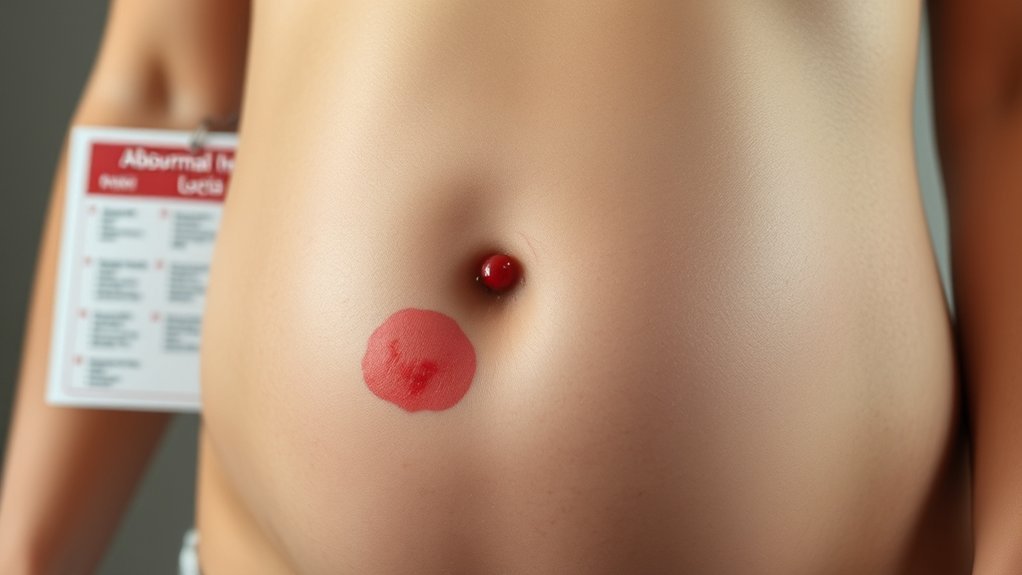
Even after you’re home, certain symptoms require immediate care.
Heavy bleeding that soaks through a pad in under an hour, or excessive bleeding lasting several hours, needs prompt evaluation. Passing blood clots larger than a golf ball is another warning sign.
A sudden return of heavy bleeding after it had lightened also warrants concern. Foul-smelling discharge may indicate infection. Severe abdominal pain or cramping that doesn’t ease with normal pain relief should also be checked out to rule out complications.
Stay attentive to your symptoms during this period. Understanding pelvic floor disorders may also be useful, as these can affect recovery after delivery.
Resources for Postpartum Care
Having reliable resources for postpartum care makes a real difference. During the fourth trimester, understanding lochia and managing discharge is especially important in the weeks after delivery.
- Cleveland Clinic: Offers expert postpartum care, including an informative Health Library on lochia management. Call 216.444.6601 to schedule an appointment.
- Raleigh-OBGYN: Located in Medical Plaza, they provide thorough postpartum services. Contact them at 919.876.8225 or visit their website for more resources.
- Social Media: Follow Raleigh-OBGYN on Facebook for updates and community support throughout your postpartum journey.
Using these resources can substantially improve your postpartum experience and overall health. Be aware of funding for breastfeeding support initiatives that may also assist during recovery.
Frequently Asked Questions
What Are the Risk Factors for Lochia?
Risk factors for lochia complications include prolonged labor, cesarean delivery, infection, retained placental fragments, and pre-existing health conditions. These can affect the amount and duration of postpartum bleeding.
What Are the Risk Factors Associated With Postpartum Hemorrhage?
Your risk for postpartum hemorrhage is higher with a cesarean delivery, multiple pregnancies, prolonged labor, or a prior history of hemorrhage. Conditions like preeclampsia, anemia, and retained placenta can also raise your risk.
What Is the Greatest Health Risk During the Acute Postpartum Period?
The greatest health risk in the acute postpartum period is postpartum hemorrhage. Excessive bleeding, large clots, and signs of shock all require immediate medical attention to prevent serious complications.
Which of the Following Is a Major Risk Factor for Postpartum Hemorrhage?
Uterine atony is a major risk factor. When the uterus doesn’t contract effectively after delivery, excessive bleeding can follow — making close monitoring essential in the postpartum period.
Conclusion
Understanding the stages of lochia is an important part of postpartum recovery. Up to 20% of women may experience abnormal lochia, which can point to complications. Knowing what to look for — and when to act — helps your body heal on track. Stay informed, monitor your symptoms, and don’t hesitate to reach out to your provider if something feels off.

