
Monitoring your baby’s movements is important. Recognizing patterns is fundamental, and knowing when to act is critical. As you navigate your pregnancy, understanding kick counts can give you peace of mind about your baby’s well-being. Familiarizing yourself with the signs and symptoms that warrant a call to your doctor can make all the difference in a healthy pregnancy.
Quick Answer
- Start counting kicks around 28 weeks of pregnancy, once a day at a consistent time.
- Aim to feel at least 10 movements within a two-hour window.
- Every baby has its own normal pattern — focus on changes from your baby’s baseline.
- If you notice a significant drop in movement or no movement for several hours, call your doctor.
Understanding Kick Counts: What They Are and Why They Matter
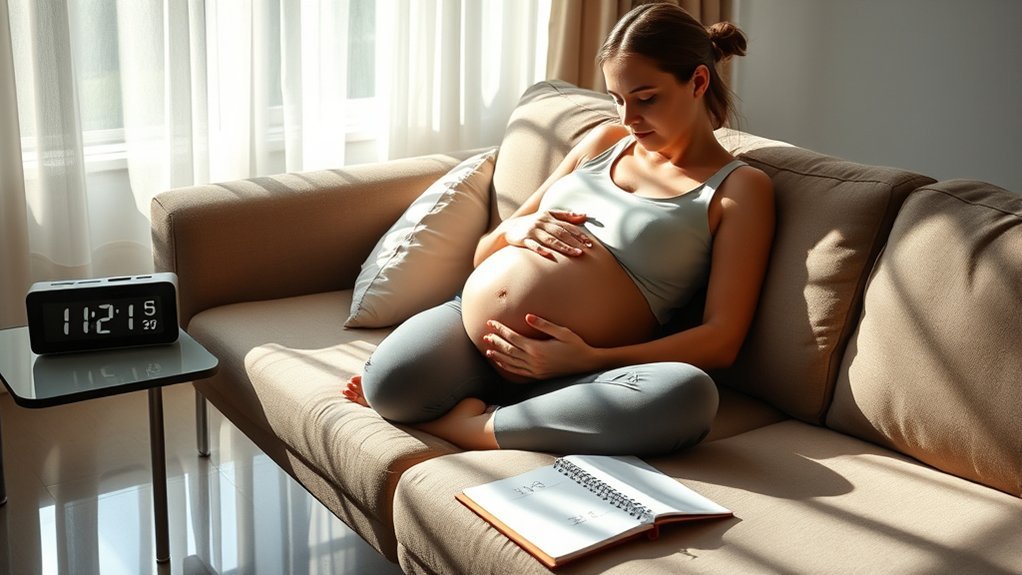
Kick counts are a simple way to monitor your baby’s well-being. They involve paying close attention to your baby’s movements so you can recognize what’s normal for them.
These movements reflect your baby’s health and responsiveness. Tracking them helps you notice any changes early on.
If you observe a significant decrease in movement, that can be a sign something needs attention. Staying aware of kick counts empowers you to advocate for your baby’s health and make informed decisions throughout your pregnancy. Always trust your instincts, and consult your healthcare provider with any concerns.
How to Perform Kick Counts: A Step-by-Step Guide

Kick counting is straightforward and takes about an hour of focused time each day. Follow these steps:
| Step | Action | Notes |
|---|---|---|
| 1 | Choose a time of day | When your baby is usually active |
| 2 | Sit or lie down comfortably | Relax to help feel movements |
| 3 | Count your baby’s kicks | Start counting after 1 hour |
| 4 | Record the total | Note any unusual patterns |
Aim for at least 10 kicks within 2 hours. If you’re concerned about fewer movements, reach out to your healthcare provider.
What Is Considered Normal Movement?

Knowing what counts as normal fetal movement is key to monitoring your baby’s health. You can expect to feel a variety of movements throughout the day, including kicks, rolls, and stretches.
Fetal Movement Patterns
As you reach the later stages of pregnancy, recognizing normal fetal movement becomes more important.
Generally, you can expect your baby to move anywhere from 10 to 30 times a day. Movements often include kicks, rolls, and stretches, and they may vary in intensity and frequency. Each baby is different, so pay attention to their individual patterns.
Movements often change as your baby grows and space becomes limited. If you notice a significant decrease in movement or your baby becomes unusually quiet, contact your healthcare provider.
Daily Activity Expectations
Knowing what constitutes normal activity can help ease your worries. Babies are often most active after meals or when you’re resting.
Expect to feel around 10 movements within two hours, though every baby is unique. Your little one may have quiet days, and that can be perfectly normal.
As your pregnancy progresses, movements may vary, especially as space gets tighter. Look for patterns rather than obsessing over specific counts.
If you notice a significant decrease in activity or a sudden change, reach out to your healthcare provider. Your instincts matter.
When to Start Counting Kicks
Most healthcare providers recommend starting kick counts at 28 weeks of pregnancy. By this point, your baby’s movements are regular enough to track reliably.
Before 28 weeks, you may feel movement, but it tends to be less consistent. After 28 weeks, a clear activity pattern usually develops, which makes it easier to spot changes.
Some providers may suggest starting earlier if there are any risk factors, such as a high-risk pregnancy, gestational diabetes, or concerns about fetal growth. Ask your doctor when they’d like you to begin.
The American College of Obstetricians and Gynecologists (ACOG) supports fetal movement counting as a useful tool for monitoring baby’s well-being in the third trimester.
Recognizing Changes in Your Baby’s Movement Patterns
Each baby has unique habits, so pay attention to what’s normal for yours.
You might notice more activity after meals or when you’re resting. Movements can vary in intensity and frequency, so tracking them gives you a useful baseline over time.
If you observe a noticeable change, like fewer kicks or less vigorous movement, take note. Keep a kick count log to help you recognize any shifts in behavior.
Checking in with your baby’s movements regularly not only gives you peace of mind but also deepens your connection with your little one before they arrive.
When to Be Concerned: Signs That Warrant a Call to Your Doctor
If you experience a significant decrease in your baby’s kicks or a complete absence of movement for several hours, call your doctor. Don’t wait to see if things improve on their own.
Also reach out if your baby’s movements feel different than usual, or if they’re accompanied by symptoms like severe cramping or bleeding. Other warning signs include sudden swelling, headaches, or any unusual pain.
Trust your instincts. If something feels off, err on the side of caution. Your doctor can provide reassurance, support, or any necessary next steps to keep both you and your baby healthy.
Tips for Keeping Track of Your Baby’s Movements
Tracking your baby’s movements is easier with a consistent routine. Choosing the right time, using the right tools, and understanding your baby’s patterns all help.
Ideal Time for Counting
The best time to count kicks is typically in the evening or after a meal, when babies tend to be most active. Set aside about an hour each day so it becomes part of your routine.
Choose a comfortable position — lying down or sitting works well — so you can focus without distractions. If you notice a decrease in activity or have any concerns, reach out to your healthcare provider.
Tracking Methods and Tools
A kick count app on your smartphone can make tracking simple and accessible. You can also use a notebook or a printed chart to log movements manually.
Pick a consistent time each day and note how long it takes to reach 10 kicks. That routine helps you build a reliable baseline for your baby’s activity.
If you prefer something low-tech, a simple timer and a pen to mark each kick on a chart works just fine. Whatever method you choose, consistency is what matters most.
Understanding Movement Patterns
Regular movements signal your baby’s well-being, while changes may warrant attention. Use the table below to document movements by time of day:
| Time of Day | Type of Movement |
|---|---|
| Morning | Kicks, rolls |
| Afternoon | Hiccups, stretches |
| Evening | Active play, shifts |
| Night | Quiet periods |
Aim for at least 10 movements within a two-hour period. If you notice a significant decrease in activity, contact your healthcare provider.
The Importance of Open Communication With Your Healthcare Provider
Open communication with your healthcare provider is essential for a healthy pregnancy. Share your experiences, questions, and concerns about your baby’s movements.
If you notice a decrease in kick counts or any unusual patterns, don’t hesitate to reach out. Your provider can offer guidance tailored to your specific situation and help you understand what’s normal and when to seek further evaluation.
You’re not navigating this alone. Your healthcare team is there to support you every step of the way.
Frequently Asked Questions
Can Stress Affect My Baby’s Kick Counts?
Yes, stress can affect your baby’s kick counts. When you’re under stress, it may influence your baby’s movements. Monitor any changes and consult your doctor if you notice significant differences.
What if I Have an Anterior Placenta?
An anterior placenta (one that attaches to the front wall of the uterus) can make your baby’s movements feel less distinct. That doesn’t mean they’re any less healthy. Keep monitoring kick counts closely and reach out with any concerns.
Do Kick Counts Vary by Trimester?
Yes, they do. In the first trimester you may not feel much movement at all. By the third trimester, you should notice more consistent, regular patterns.
Are There Any Tools to Help Track Movements?
Yes. Kick count apps, journals, and printed charts are all effective options. They simplify monitoring and help you stay aware of any changes over time.
How Can I Differentiate Between Kicks and Other Movements?
Kicks tend to feel more forceful and distinct. Rolls or positional shifts are usually gentler and less pronounced. Paying attention to these differences over time helps you recognize your baby’s unique activity style.
Conclusion
Monitoring your baby’s movements is one of the simplest and most effective ways to stay connected to their health during pregnancy. By understanding kick counts and recognizing changes in pattern, you put yourself in a better position to catch any concerns early.
If anything feels off, call your healthcare provider. Your instincts are a valuable tool. And through open communication with your care team, you can move through these final weeks with greater confidence and peace of mind.