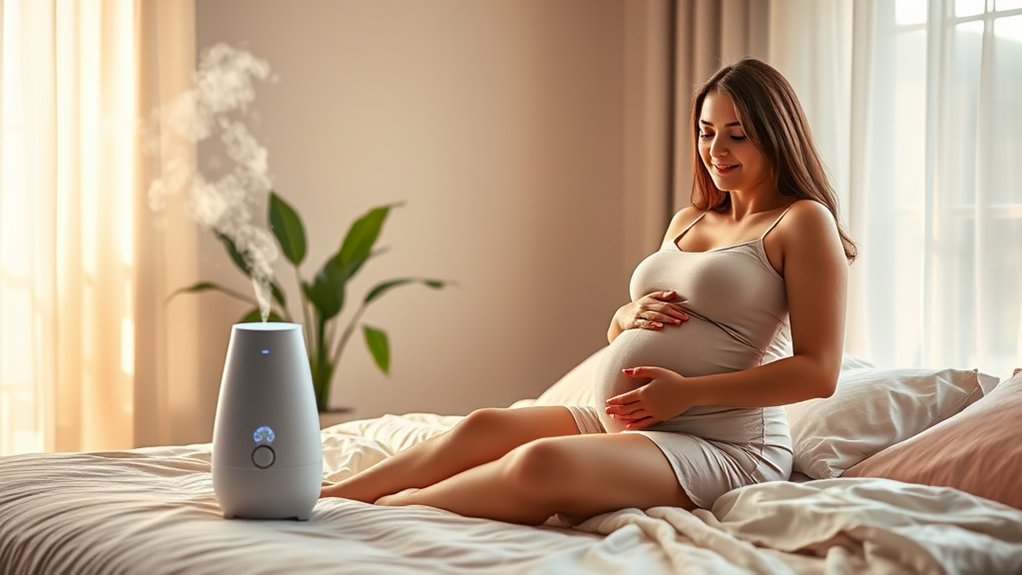
During pregnancy, keeping the air in your home at the right humidity level can make a real difference in how you feel day to day. A humidifier can ease common symptoms like nasal congestion and dry skin, helping you rest and breathe more comfortably. Understanding which type to choose and how to use one safely is worth a few minutes of your time.
Quick Answer
- Humidifiers add moisture to dry indoor air, which can relieve nasal congestion, dry skin, and throat irritation during pregnancy.
- The ideal indoor humidity level is generally between 30% and 50%.
- Choose a model with an automatic shut-off, use distilled water, and clean it weekly to keep it safe.
- Always check with your healthcare provider if you have specific concerns about using a humidifier while pregnant.
Understanding the Importance of Humidity During Pregnancy
When you’re pregnant, the humidity level in your home can affect both your comfort and your health. Keeping the air properly humidified helps your body adjust to the physical changes happening throughout your pregnancy.
Air that’s too dry can cause discomfort, including dry skin and irritated nasal passages. On the other end, too much humidity creates conditions where mold and allergens thrive, which can hurt your respiratory health.
A humidifier helps you land in the right range, typically between 30% and 50% relative humidity. That balance supports your well-being and creates a healthier indoor environment for your growing baby.
Common Pregnancy Symptoms Helped by Humidifiers
Pregnancy can bring some uncomfortable physical symptoms, and humidifiers can help with several of them. Nasal congestion, dry skin, and throat irritation are all common complaints.
Adding moisture to the air keeps nasal passages clear, which makes breathing easier at night. It also soothes dry skin, reducing itchiness and flakiness. Beyond that, proper humidity can lower your risk of catching colds or dealing with allergy flare-ups, both of which are harder to manage during pregnancy.
How Humidifiers Improve Skin Hydration
Better Moisture Retention
Humidifiers help the air hold more moisture, which in turn helps your skin stay hydrated. This matters during pregnancy because your skin undergoes significant changes and can become more prone to dryness.
Moist air supports your skin’s natural moisture balance, helps maintain elasticity, and reduces the appearance of fine lines. Keeping your skin supple during pregnancy is good for your comfort and confidence.
Soothing Skin Irritation
Proper humidity also soothes irritated skin. Hormonal shifts during pregnancy can increase skin sensitivity, and dry air makes that worse.
A humidifier reduces flakiness and redness by giving your skin the ambient moisture it needs. It can also support skin healing, which is a welcome benefit throughout the pregnancy months.
Easing Nasal Congestion and Respiratory Issues
Nasal congestion and respiratory discomfort are common during pregnancy. A humidifier can help ease these symptoms by keeping moisture in the air.
Benefits of Humidifiers
Moist air soothes irritated nasal passages and makes it easier to breathe deeply. Good air quality also lowers the chance of respiratory infections, which are worth avoiding during pregnancy. Dry air often causes throat irritation and fatigue, and a humidifier helps reduce both.
Choosing the Right Humidifier
Two of the most common types are ultrasonic and evaporative models. Ultrasonic humidifiers use high-frequency vibrations to produce a fine mist. They tend to be quiet and energy-efficient. Evaporative models use a fan to push air through a wet wick, which naturally adds moisture without producing a visible mist.
If you move the humidifier between rooms, look for a lightweight design or built-in handle. Also check the unit’s capacity — a larger room needs a more powerful model.
Safety During Pregnancy
Keep an eye on humidity levels so the air doesn’t get too moist, which can lead to mold growth. Use distilled water to reduce mineral buildup, and choose a model with an automatic shut-off feature to prevent overheating. Clean the unit regularly to stop bacteria from spreading. Keep the humidifier out of reach of children and pets. If you have any specific health concerns, talk to your healthcare provider before using one.
Choosing the Right Type of Humidifier
There are four main types worth considering:
- Ultrasonic Humidifiers: Use high-frequency vibrations to create a fine mist. Quiet and energy-efficient.
- Warm Mist Humidifiers: Heat water to produce steam. The warmth can soothe congestion and dryness.
- Cool Mist Humidifiers: Add moisture without heat. A good choice in warmer months or warmer climates.
- Evaporative Humidifiers: Use a fan and a wet wick to add moisture. They naturally self-regulate humidity levels.
The best choice depends on your home environment, the climate where you live, and personal preference.
Safety Considerations for Using Humidifiers During Pregnancy
Safety comes first when using a humidifier while pregnant. Keep the unit at least three feet from your bed to avoid excess moisture settling nearby. Use a model with automatic shut-off to prevent overheating. Clean it every week to prevent mold and bacteria from building up.
| Precaution | Recommendation | Purpose |
|---|---|---|
| Distance from Bed | At least 3 feet | Avoid excess moisture |
| Automatic Shut-Off | Yes | Prevent overheating |
| Regular Cleaning | Weekly | Prevent mold/bacteria |
Tips for Keeping Your Humidifier Running Well
Regular Cleaning Schedule
A consistent cleaning routine keeps your humidifier working properly and the air in your home clean:
- Daily: Empty and rinse the water tank to prevent bacteria buildup.
- Weekly: Clean the unit with a vinegar-and-water solution to remove mineral deposits.
- Monthly: Replace filters as recommended by the manufacturer.
- Seasonally: Deep clean the entire unit, including all removable components.
Water Quality Matters
The water you use affects both how well the humidifier works and the quality of air it produces.
Distilled or demineralized water is the better choice. It reduces mineral buildup and keeps impurities out of the air. If you use tap water, be aware that chlorine and other contaminants may get released into the air over time.
Some humidifiers come with built-in filtration systems, which add an extra layer of air quality protection. Check and replace filters on schedule to keep the unit at peak performance.
Where to Place a Humidifier in Your Home
Placement makes a difference in how much benefit you get from a humidifier. Here are four spots that work well:
- Living Room: Near seating areas to keep the air comfortable during the day.
- Bedroom: On a nightstand (at least three feet from your head) to improve sleep quality.
- Nursery: Out of reach of the crib while still maintaining good air quality for the baby.
- Home Office: Close to your workspace to stay comfortable during long hours at a desk.
Other Natural Remedies for Pregnancy Discomforts
A humidifier is one tool among many for managing pregnancy discomfort. Other natural approaches can complement it well.
Herbal teas, such as ginger or chamomile, may help with nausea and promote relaxation. Always check with your healthcare provider first to confirm they’re safe for your situation.
Prenatal yoga is another solid option. It strengthens the body, eases tension, and supports better breathing. Gentle stretches designed for pregnant women can reduce discomfort and improve mood with regular practice.
Finding what works for your body is a process, and combining a few approaches often gives the best results.
What Expecting Mothers Say
Many pregnant women who’ve used humidifiers report noticeable improvements in comfort:
- Eased Congestion: Many found relief from nasal congestion, allowing them to breathe more easily at night.
- Softer Skin: Users reported reduced itchiness and dryness, a common issue during pregnancy.
- Better Sleep: Several noted that the added moisture in the air helped them sleep more soundly.
- Fewer Allergy Symptoms: Some experienced less irritation from allergens, making daily life easier.
Frequently Asked Questions
Can Humidifiers Prevent Dry Skin During Pregnancy?
Yes. By increasing moisture in the air, humidifiers help keep skin hydrated and reduce the dryness and itchiness that are common during pregnancy.
Is It Safe to Use Essential Oils With Humidifiers?
Not all essential oils are safe during pregnancy, and not all humidifiers are designed to handle them. Check the humidifier’s instructions and talk to your healthcare provider before adding any oils.
How Often Should I Refill My Humidifier?
Refill it every 24 hours or when the water level gets low. Regular refilling is part of good maintenance and keeps the air consistently moist.
Can Humidifiers Help With Pregnancy-Related Allergies?
Yes. Adding moisture to the air can soothe irritated nasal passages and reduce discomfort caused by allergens, making your home environment easier to breathe in.
What Are the Signs of a Malfunctioning Humidifier?
Watch for unusual noises, leaks, or an inconsistent mist output. Regular cleaning and filter checks help prevent problems and catch issues early.
Final Thoughts
A humidifier is a practical, low-effort addition to your home during pregnancy. Many pregnant women deal with nasal congestion that disrupts sleep and daily comfort, and maintaining proper humidity can help. Choose the right type for your space, keep it clean, use distilled water, and you’ll get consistent, reliable relief throughout your pregnancy.

