Hiccups and sneezing are common bodily responses that can sometimes catch you off guard. While hiccups come from diaphragm contractions, sneezing helps clear irritants from your nasal passages. Both can signal underlying health issues if they persist. Understanding their symptoms and triggers is essential, so here’s a closer look at the causes and management strategies for both.
Quick Answer
- Hiccups are caused by involuntary diaphragm spasms and usually go away on their own within minutes.
- Sneezing is your body’s way of clearing irritants from your nasal passages and can be triggered by allergens, dust, strong smells, or temperature changes.
- Home remedies like holding your breath, sipping cold water, or using saline nasal spray can help with both.
- See a doctor if hiccups last more than 48 hours, or if either symptom comes with chest pain, high fever, or difficulty breathing.
Understanding Hiccups: What Are They?
Hiccups are sudden, involuntary contractions of the diaphragm. The diaphragm spasms, causing a quick intake of breath that gets cut off when the vocal cords snap shut. The result is that familiar “hic” sound.
Hiccups can happen at any time and are usually harmless, though they can be annoying or embarrassing. Most resolve on their own within a few minutes. If they persist for more than 48 hours, consult a healthcare professional, as prolonged hiccups may point to an underlying condition.
Common Causes of Hiccups
Knowing what triggers hiccups can help you avoid them. Common causes include:
- Eating too quickly or drinking carbonated beverages, which can irritate the diaphragm
- Emotional stress or sudden excitement
- Sharp changes in temperature, such as drinking a hot beverage right after a cold one
- Certain medical conditions like gastroesophageal reflux disease (GERD), which can cause persistent hiccups
- Excessive alcohol consumption, which irritates the stomach and diaphragm
Identifying your personal triggers makes it easier to reduce how often hiccups disrupt a meal or conversation.
When to Seek Medical Attention for Hiccups
Most hiccups clear up quickly, but some situations call for a doctor’s visit. If your hiccups persist for more than 48 hours, that may point to an underlying medical condition, such as a neurological disorder or gastrointestinal issue.
Also seek care if you notice severe discomfort, chest pain, or difficulty breathing alongside the hiccups. Hiccups that begin after surgery or a significant injury are another reason to get checked out. Catching the cause early can prevent complications.
The Sneezing Reflex: An Overview
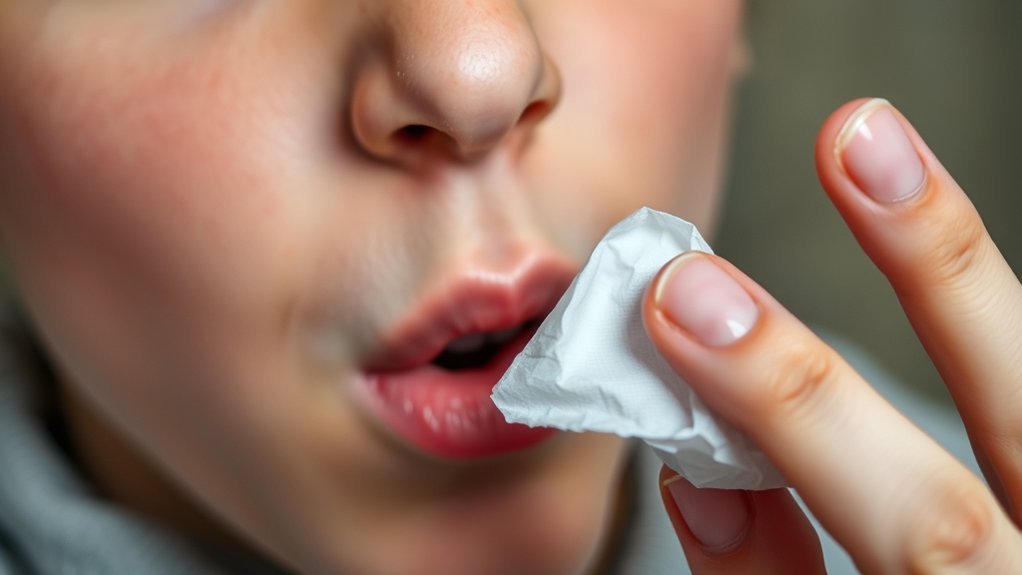
The sneezing reflex is your body’s natural defense against irritants in the nasal passages. When you inhale something irritating, like dust, pollen, or smoke, your nasal mucosa detects it and sends signals to your brain. Your diaphragm and chest muscles then contract, forcing air rapidly out through your nose and mouth.
This expulsion clears the irritant and protects your respiratory system. Sneezing can happen in quick bursts, especially with strong triggers. Frequent sneezing may point to underlying conditions worth looking into.
Triggers of Sneezing
Many things can set off a sneezing fit. Some of the most common include:
- Dust and Pollen: These tiny particles irritate the nasal passages and trigger a fast response.
- Strong Scents: Perfumes or cleaning products can overwhelm your senses and spark a sneeze.
- Cold Air: A sudden temperature drop can trigger sneezing in some people.
- Spicy Foods: Spicy dishes can irritate the nasal lining and cause involuntary sneezing.
Knowing your triggers helps you manage sneezing fits and avoid uncomfortable situations.
Distinguishing Between Allergic and Non-Allergic Sneezing
Knowing the difference between allergic and non-allergic sneezing can help you find the right treatment.
Allergic sneezing usually comes with other allergy symptoms, like a runny nose or itchy eyes. It’s triggered by allergens such as pollen, dust, or pet dander. If sneezing follows a seasonal pattern or happens in specific environments, allergies are likely the cause.
Non-allergic sneezing is not linked to allergens. It can be triggered by irritants like smoke, strong odors, or sudden temperature changes, and it typically doesn’t come with the extra symptoms that allergies produce. Tracking your sneezing patterns and any accompanying symptoms is a good first step toward understanding what’s going on.
When Sneezing Becomes a Concern
Occasional sneezing is normal, but certain signs suggest it’s time to see a doctor:
- Persistent Sneezing: Sneezing that lasts more than a week could indicate an underlying issue.
- Accompanied by Blood: Blood in a sneeze may point to a serious condition that needs prompt attention.
- Severe Discomfort: Significant pain or pressure in your face or head when sneezing is worth evaluating.
- Other Symptoms: Sneezing alongside high fever, a rash, or difficulty breathing may signal a more serious health problem.
If you notice any of these, consult a healthcare professional.
The Connection Between Hiccups and Sneezing
Hiccups and sneezing may look unrelated, but they share common triggers and physiological mechanisms. Both involve involuntary muscle contractions and can be set off by irritants. With hiccups, the diaphragm spasms. With sneezing, the diaphragm and other respiratory muscles react to irritation in the nasal passages.
Triggers like eating too quickly, allergen exposure, stress, and sudden temperature changes can provoke both responses. These reflexes are essentially your body’s way of responding to irritation and restoring equilibrium.
Managing and Treating Hiccups and Sneezing
Effective home remedies can bring quick relief for both hiccups and sneezing. There are also specific techniques worth trying. That said, if these symptoms persist, professional help may be needed.
Home Remedies for Hiccups
Several home remedies may help stop hiccups quickly:
- Drink water: Take small, steady sips of cold water for about 30 seconds.
- Hold your breath: Inhale deeply, hold as long as you can, then exhale slowly.
- Swallow a teaspoon of sugar: Let it dissolve in your mouth first. The texture can interrupt the hiccup reflex.
- Bite on a lemon: The sharp sour taste stimulates nerves that may help reset the diaphragm.
Try one or two of these and see what works for you.
Sneezing Relief Techniques
To suppress an oncoming sneeze, try pinching your nose and breathing through your mouth. Focusing on a nearby light source can also distract your body and stop the sneeze before it starts.
Drinking a glass of water slowly may soothe your throat and calm nasal irritation. Chewing gum or sucking on hard candy can help too, since keeping your mouth active sometimes prevents sneezing.
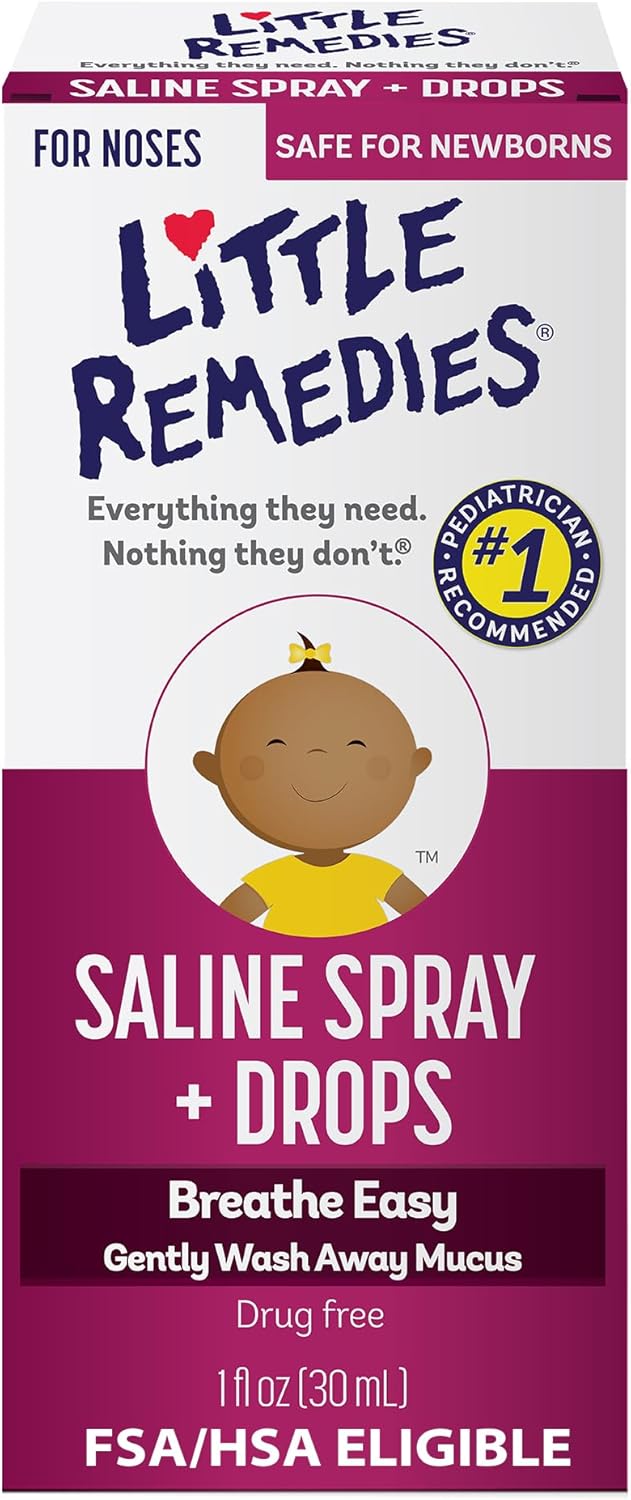
If allergies are behind your sneezes, antihistamines or nasal sprays can help manage symptoms. Staying hydrated keeps your nasal passages moist, which also reduces the chance of sneezing fits.
When to Seek Help
Some symptoms signal that hiccups or sneezing need medical attention:
- Hiccups lasting more than 48 hours — this could indicate an underlying health issue.
- Severe chest pain or difficulty breathing — these may signal a serious condition.
- Sneezing accompanied by high fever — a possible sign of infection or allergy.
- Hiccups or sneezing after a head injury — neurological causes should be ruled out.
If any of these apply, see a healthcare professional. Acting early can prevent complications and put your mind at ease.
Frequently Asked Questions
Can Hiccups Be a Symptom of a Serious Medical Condition?
Yes. Hiccups can indicate a serious condition, especially if they persist or come alongside other symptoms. Consult a healthcare professional if you’re concerned.
What Home Remedies Can Help Relieve Sneezing?
Inhaling steam from a bowl of hot water, sipping warm herbal tea, or using a saline nasal spray can all ease irritation and reduce sneezing.
Are There Specific Foods That Trigger Hiccups?
Spicy dishes, carbonated beverages, and very hot or cold foods are common culprits. If you notice hiccups after certain meals, try adjusting your diet to see if it helps.
Can Stress or Anxiety Cause Frequent Sneezing?
Yes. Stress and anxiety can increase sensitivity to allergens, which may trigger sneezing. Managing stress through relaxation techniques can help reduce this response.
How Long Can Hiccups Last Before Needing Medical Help?
If hiccups last more than 48 hours, see a doctor. Most cases resolve quickly, but prolonged episodes may point to an underlying issue.
Conclusion
Hiccups and sneezing are usually harmless, but persistent episodes can be signs of underlying health issues. A notable portion of the population experiences chronic hiccups lasting longer than 48 hours, which is why understanding these involuntary responses matters. Knowing your triggers and symptoms makes it much easier to manage them. If either becomes frequent or severe, a healthcare professional can help identify the cause and recommend next steps.