
What Causes Postpartum Hemorrhoids?
Postpartum hemorrhoids can turn simple bathroom trips into a painful part of recovery. You may feel sore, itchy, swollen, or nervous about your next bowel movement. This guide explains why hemorrhoids happen after birth, what symptoms to watch for, and how you can ease discomfort safely at home.
Quick Answer
Postpartum hemorrhoids are swollen veins in or around the anus that can happen during late pregnancy, labor, or early recovery. You can often ease them with fiber, fluids, warm sitz baths, gentle movement, and approved over-the-counter creams. Call your healthcare provider if bleeding, pain, swelling, or symptoms get worse.
Key Takeaways
- Postpartum hemorrhoids often come from pregnancy pressure, constipation, and pushing during labor.
- Bright red bleeding, itching, swelling, and pain during bowel movements can signal hemorrhoids.
- Fiber, water, sitz baths, and gentle walking can help reduce strain and discomfort.
- Severe pain, heavy bleeding, fever, pus, or symptoms that last for weeks need medical care.
What Causes Postpartum Hemorrhoids?
Postpartum hemorrhoids often develop when pregnancy and birth place strong pressure on your pelvic veins.
As your uterus grows, it can slow blood return from your lower body. This pressure may lead to swollen veins in the rectum and anus. Hormonal changes during pregnancy can also relax vein walls, which may make swelling more likely.
Labor can add more pressure, especially if you push for a long time. Constipation after birth can also make symptoms worse because hard stools increase straining.
The physical strain of labor, especially prolonged pushing, can increase vein pressure and lead to postpartum hemorrhoids.
Many new mothers deal with hemorrhoids during late pregnancy or after delivery. You are not alone, and most mild cases improve with simple care and time.
Symptoms of Postpartum Hemorrhoids
After childbirth, you may notice several uncomfortable symptoms around the anal area.
Pain during bowel movements often causes the most stress. You may also feel itching, burning, swelling, or tenderness near the anus.
Bright red blood may appear on toilet paper or in the toilet bowl. Sensitive lumps or bulges near your anus may point to external hemorrhoids. Internal hemorrhoids may cause bleeding but may not feel or look obvious.
Warning: Heavy bleeding, black stool, fever, pus, or severe pain needs prompt medical care.
Effective Treatments for Postpartum Hemorrhoids
You can often manage postpartum hemorrhoids with gentle care that reduces swelling, pain, and straining.
Over-the-counter treatments, such as hydrocortisone cream or witch hazel pads, may reduce itching and inflammation. Ask your healthcare provider before using medicine if you breastfeed, have stitches, or feel unsure.
Warm sitz baths can help soothe the area. Sit in warm water for 15 to 20 minutes, two to three times daily, or after bowel movements.
A high-fiber diet can soften stools and make bowel movements easier. Good choices include fruits, vegetables, beans, oats, and whole grains. Drinking enough water also helps your stool stay softer, especially if you breastfeed.
If symptoms persist or worsen, contact your healthcare provider. They can check for other causes and discuss stronger medicine or office-based treatment when needed.
Lifestyle Modifications for Relief
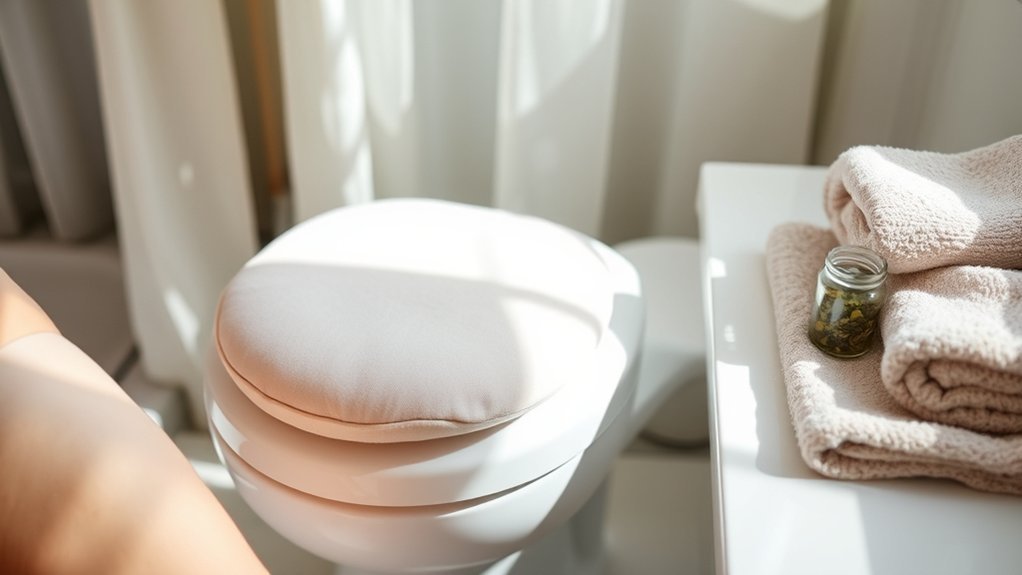
Daily habits can lower pressure on your veins and help your body heal.
- Eat fiber-rich foods, such as berries, apples, lentils, vegetables, and whole grains.
- Drink water often during the day, especially while breastfeeding.
- Take short walks when your provider says activity feels safe for you.
- Avoid sitting or standing for long periods without changing position.
- Use a soft cushion if sitting puts pressure on the sore area.
- Place your feet on a small stool during bowel movements to reduce straining.
Try not to delay bowel movements when you feel the urge. Holding stool can make it harder and more painful to pass.
Pro tip: Keep a water bottle and fiber-rich snack nearby during feeding sessions.
What Should You Avoid With Postpartum Hemorrhoids?
Some habits can make postpartum hemorrhoids more painful. Avoid straining, sitting on the toilet too long, and using dry toilet paper with hard rubbing.
Use soft wipes without fragrance, or rinse with water after bowel movements. Pat the area dry instead of scrubbing.
Do not use several creams or medicated pads at once unless your provider approves them. Too many products can irritate sensitive skin and make burning worse.
When to Seek Medical Attention
Even with home care, some symptoms need medical attention.
Call your healthcare provider if bleeding feels heavy, keeps happening, or worries you. You should also seek care if pain disrupts your daily activities or keeps you from sitting, sleeping, or using the bathroom.
Persistent or severe anal pain disrupting daily activities should always be evaluated by a healthcare professional.
Changes in bowel habits, such as constipation that lasts more than a few days or ongoing diarrhea, also need advice. Watch for signs of infection, including fever, increased swelling, warmth, pus, or worsening redness near the anus.
If hemorrhoid symptoms continue for more than a few weeks, book a follow-up visit. Your provider can rule out fissures, infection, or other conditions that may need different care.
Frequently Asked Questions
How to Get Postpartum Hemorrhoids to Go Away?
Increase fiber, drink enough water, and take warm sitz baths to reduce pain and straining. You can also ask your healthcare provider about safe creams, stool softeners, or pads for short-term relief.
How Long Will Postpartum Hemorrhoids Last?
Many postpartum hemorrhoids improve within a few days to a few weeks. If symptoms last beyond several weeks or keep coming back, ask your healthcare provider for an exam.
Can Postpartum Hemorrhoids Bleed?
Yes, hemorrhoids can cause bright red blood during or after a bowel movement. You should still contact your provider if bleeding feels heavy, painful, frequent, or unusual.
Are Postpartum Hemorrhoid Creams Safe While Breastfeeding?
Some creams and pads may be safe while breastfeeding, but your needs can vary. Ask your healthcare provider or pharmacist before using medicated products, especially if you have stitches or broken skin.
Medical Disclaimer: This article is for informational purposes only and does not constitute professional medical advice. Always consult a qualified doctor or healthcare provider before making decisions based on this information.
Conclusion
Postpartum hemorrhoids can feel painful, but gentle care often brings steady relief. Focus on softer stools, less straining, warm sitz baths, and safe symptom relief approved by your provider.
Seek medical care if bleeding, pain, swelling, or signs of infection concern you. With the right support, you can heal more comfortably and move through postpartum recovery with more confidence.

