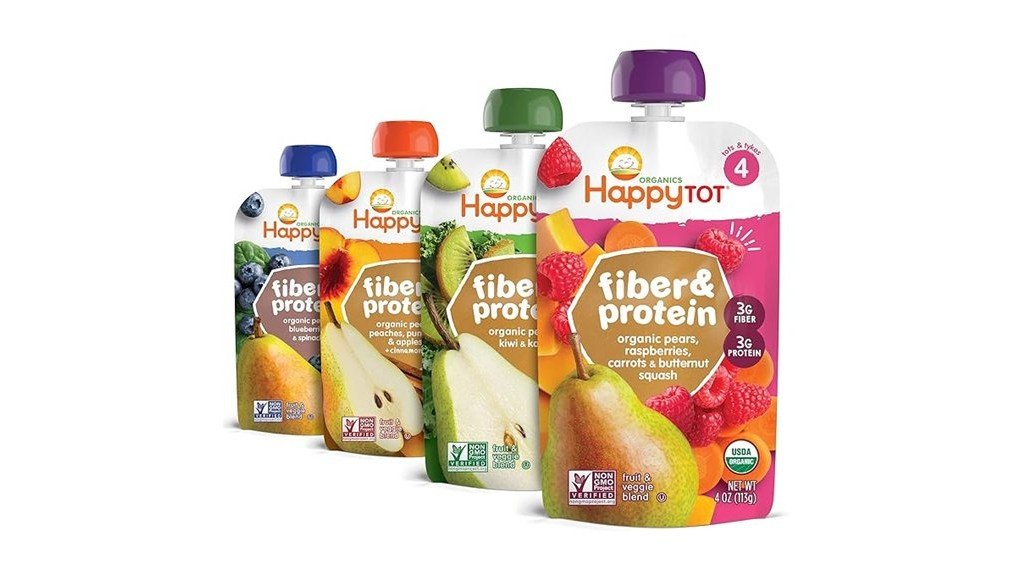
Happy Tot Organics baby food pouches are often seen as a practical choice for toddlers, but their value depends on ingredients, texture, and sugar content. The blends use organic fruits and vegetables, with some varieties adding grains or protein for added nutrition. Parents may appreciate the convenience and safety claims, yet flavor selection matters more than many expect. The details behind each pouch raise a few questions worth sorting out.
Key Takeaways
- Happy Tot Organics baby food pouches are a healthy toddler snack option with organic fruit-and-vegetable blends.
- They often include chia seeds, adding fiber and some protein for satiety and growth.
- The smooth texture and naturally sweet flavors make them easy and appealing for toddlers to eat.
- USDA organic and non-GMO ingredients provide a strong safety and quality profile.
- They work best as a supplement to whole foods, not a complete replacement for balanced meals.
Are Happy Tot Pouches Healthy for Toddlers?
Yes—Happy Tot Organics Stage 4 pouches can be a healthy option for toddlers when used as part of a varied diet.
Their organic fruit-and-vegetable blends offer a practical way to add nutrients, and nutritional comparisons with many sugary snacks often favor them. Fiber and protein support satiety and growth, while the pouch format may suit toddler preferences during busy days or travel.
A detached, evidence-based view suggests they work best as a supplement, not a sole food source. Used alongside whole foods, they can help caregivers meet nutrition goals without sacrificing convenience or autonomy.
What’s in Happy Tot Organics Pouches?
At a glance, Happy Tot Organics Stage 4 pouches typically contain blends of organic fruits and vegetables, often paired with chia seeds for added fiber and protein.
These ingredients usually come from USDA organic, non-GMO sources, which may reassure caregivers seeking cleaner labels.
The pouches feature fruit combinations such as apple, banana, pear, and berry blends, sometimes with carrot or spinach for balance.
Fruit blends like apple, banana, pear, and berries may be rounded out with carrot or spinach.
Texture variety is generally smooth, making them easy for toddlers to manage.
Ingredient lists can vary by flavor, so checking each pouch remains the practical way to confirm what is included and support informed, independent feeding choices.
Why Toddlers Enjoy Happy Tot Pouches?
Toddlers often enjoy Happy Tot pouches because the flavors are naturally sweet, the texture is smooth, and the format is easy for small hands to manage. Evidence suggests toddler preferences often lean toward familiar fruit blends and mild vegetable notes, which these pouches provide with flavor variety.
- Portable for independent snacking
- Simple to hold and squeeze
- Familiar taste profiles reduce fussiness
- Smooth consistency supports easy eating
- Variety helps keep routines flexible
This practical design can support calmer mealtimes and more confident self-feeding, giving families a little more freedom in daily food choices.
Are Happy Tot Pouches Safe and Organic?
Safety and organic certification are often the next questions families ask after considering convenience and taste. Happy Tot pouches are USDA organic and made with non-GMO ingredients, which supports a strong safety profile for toddlers.
Their ingredients sourcing emphasizes organic fruits, vegetables, and chia seeds, avoiding toxic persistent pesticides. This offers a practical option for families seeking nourishment without unnecessary chemical exposure.
Packaging sustainability remains part of the broader evaluation, since pouches reduce waste compared with some alternatives, though material choices matter.
How to Pick the Right Flavor
Flavor choice is best guided by a toddler’s current eating habits and tolerance for sweetness, since Happy Tot pouches blend familiar fruits with vegetables and chia seeds in ways that can either encourage or discourage acceptance.
Evidence suggests gradual exposure works well, and a small rotation helps identify flavor preferences without pressure.
- Start with fruit-forward blends.
- Introduce vegetable notes slowly.
- Use taste testing in calm settings.
- Watch texture and sweetness tolerance.
- Keep trusted favorites available.
This practical approach supports autonomy, reduces mealtime conflict, and lets families choose options that fit real needs while preserving nutritious variety.
Frequently Asked Questions
How Should Happy Tot Pouches Be Stored After Opening?
They should be refrigerated after opening, with proper sealing on the cap and storage tips followed closely. The pouch should be consumed soon, ideally within 24 hours, to preserve freshness, safety, and nutritional quality.
Can Happy Tot Pouches Replace a Full Toddler Meal?
They should not fully replace a toddler meal; they work best as meal alternatives or supplements. Their nutritional benefits are helpful, but toddlers usually need broader foods for protein, fat, and calories.
Are Happy Tot Pouches Suitable for Travel and Daycare?
Yes, they are well suited for travel and daycare, offering travel convenience and daycare nutrition in portable, shelf-stable pouches. Their organic fruits, vegetables, and chia seeds provide practical, reassuring nourishment for toddlers on the move.
Do Happy Tot Pouches Contain Common Allergens?
They may contain common allergens depending on flavor, so ingredient transparency matters. Careful allergen awareness is wise, though the pouches are generally reassuring for toddlers. Parents can check labels for dairy, soy, or nut-derived ingredients.
What Is the Shelf Life of Unopened Happy Tot Pouches?
Unopened Happy Tot pouches typically last until the printed best-by date, often 12 to 18 months. Their nutritional benefits remain protected by careful ingredient sourcing. Cool, dark storage preserves quality; damaged packaging shortens shelf life.
Conclusion
In the end, Happy Tot Organics baby food pouches can be a practical pantry backup, not a replacement for varied meals. A toddler who once rejected peas may still accept them blended with pear, and that small win can make vegetables feel less like a battle and more like a bridge. With USDA organic ingredients, simple textures, and child-friendly flavors, the pouches offer convenience and reassurance for busy families choosing healthy, low-stress options.