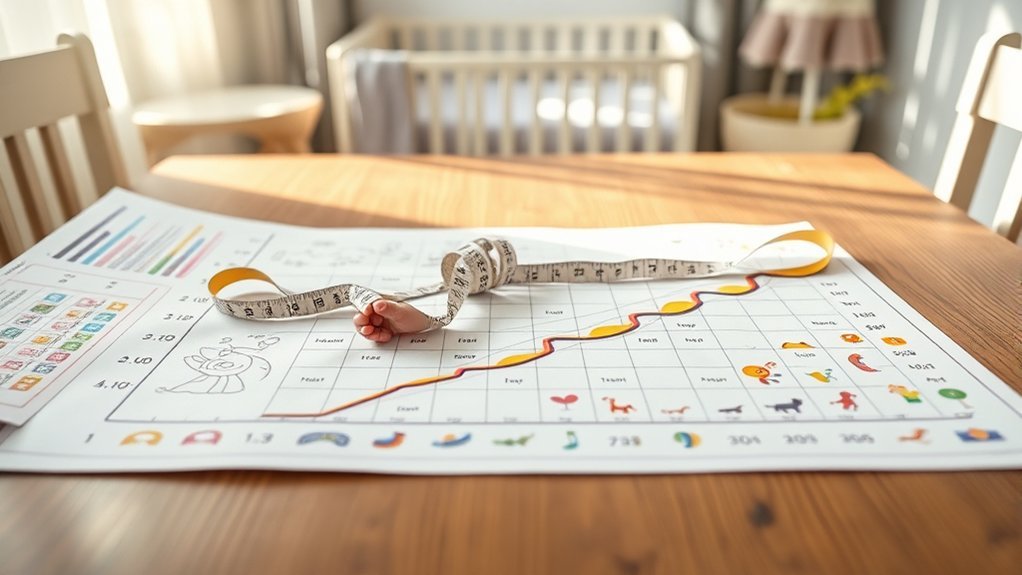
Understanding growth charts is essential for monitoring your child’s development. These tools let you visualize their height, weight, and BMI against established percentiles. Once you know how to read the key components, you can spot meaningful trends early and take action when something seems off.
Quick Answer
- Growth charts track height, weight, and BMI against standardized percentiles, divided by age and sex.
- A child staying near the same percentile over time is a good sign of steady, healthy growth.
- Sudden shifts in percentile or measurements falling below the 5th percentile are reasons to contact your pediatrician.
- Growth charts are a monitoring tool, not a diagnosis. Always discuss concerns with a healthcare provider.
Understanding the Basics of Growth Charts
Growth charts help track a child’s development over time. They give you a visual picture of height, weight, and body mass index (BMI) as your child grows, compared against standardized percentiles.
These charts are divided by age and sex because boys and girls follow different growth patterns. Knowing how to read them helps you catch potential health issues early and have more informed conversations with your child’s healthcare provider.
Key Components of a Growth Chart
A growth chart has a few core elements. Together, they give a detailed view of how your child is developing over time. You can find standardized growth charts from the CDC, which are the most widely used reference in the United States.
| Component | Description | Importance |
|---|---|---|
| Percentiles | Display how a child’s measurements compare to peers | Indicates growth trends |
| Age & Gender | Specify the child’s age and gender for accurate assessments | Tailors growth expectations |
| Measurement Units | Include height, weight, and head circumference | Provides comprehensive data |
Reviewing these components regularly helps you catch potential concerns early and supports better health outcomes for your child.
How to Read Growth Percentiles
Percentiles are the core of any growth chart. They show how your child’s measurements compare to other children the same age.
Most charts display a range from the 3rd to the 97th percentile. If your child is at the 50th percentile for height, they’re taller than 50% of children their age and shorter than the other 50%.
A consistent percentile over time signals steady growth. Significant shifts up or down may be worth discussing with your pediatrician.
Interpreting Growth Patterns and Trends
Start by regularly plotting your child’s height, weight, and head circumference on a growth chart. Look for consistent growth along a specific percentile line. That consistency is the clearest sign of stable development.
Pay attention to significant fluctuations, as they may point to underlying health issues. Growth spurts during infancy and adolescence are normal, but they should still align with expected developmental milestones.
Genetics play a real role in growth patterns, so factor in family history when reviewing your child’s measurements. Comparing results against age-appropriate norms gives you the clearest picture of their trajectory.
When to Consult a Healthcare Professional
If something about your child’s growth concerns you, see a healthcare professional sooner rather than later. Early evaluation can identify underlying issues and keep development on track. These are the most common signs to watch for:
| Concern | Action |
|---|---|
| Stagnant growth for over 6 months | Schedule an evaluation |
| Significant weight loss | Contact your pediatrician |
| Slow growth after age 2 | Discuss with a healthcare provider |
| Height or weight below the 5th percentile | Seek immediate consultation |
Frequently Asked Questions
What Factors Can Affect a Child’s Growth Rate?
Several factors influence a child’s growth rate, including genetics, nutrition, hormonal levels, chronic illness, and environment. Monitoring these elements helps keep your child’s development on track.
How Often Should Growth Charts Be Updated?
Update growth charts at each health visit. Consistent tracking makes it easier to spot patterns and catch any issues early.
Are Growth Charts the Same for All Ages?
No. Growth charts are tailored to specific age groups because developmental patterns change significantly as children grow. Use the chart designed for your child’s age for accurate results.
Can Growth Charts Predict Future Height?
Growth charts can offer clues about potential height, but they’re not definitive. Genetics, nutrition, and overall health all play important roles. Think of them as a useful reference, not a precise forecast.
What Should I Do if My Child Falls off the Growth Chart?
Contact your pediatrician promptly. They can assess potential underlying causes, recommend dietary changes if needed, and monitor your child’s growth going forward.
Conclusion
Tracking your child’s growth on these charts gives you a clearer picture of their overall health and development. Staying consistent with measurements helps you spot concerns before they become bigger problems. Every child grows at their own pace, but if you notice significant changes, reach out to a healthcare professional for guidance. Staying engaged with your child’s growth is one of the most practical things you can do for their long-term health.