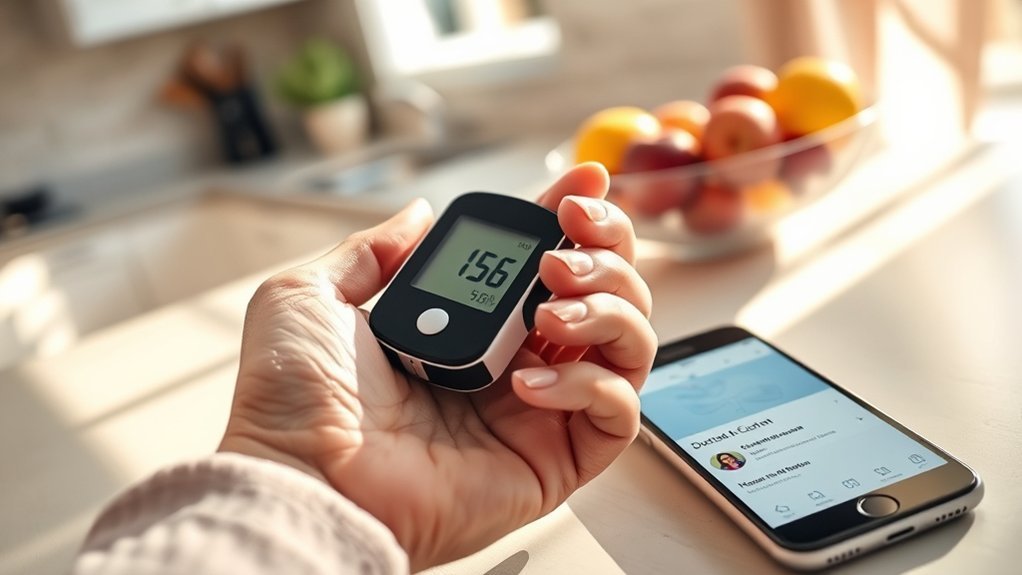
Managing gestational diabetes can feel overwhelming, especially when you’re unsure about when to reach out for help. Knowing the key symptoms and situations that warrant a call to your doctor makes a real difference — for your health and your baby’s well-being. This guide walks through what to watch for and how to stay on top of your condition.
Quick Answer
- Call your doctor if blood sugar readings consistently exceed your target range or if you notice symptoms like extreme thirst, frequent urination, or blurred vision.
- Check your blood sugar four times a day: before meals and one to two hours after each meal.
- Fasting levels should generally stay below 95 mg/dL; post-meal levels should stay below 120 mg/dL.
- Low blood sugar symptoms — shakiness, sweating, dizziness — need immediate action: eat or drink a fast-acting carbohydrate and check your levels.
- Diet, moderate exercise, and regular monitoring are the foundation of managing gestational diabetes.
Understanding Gestational Diabetes: An Overview
Gestational diabetes occurs when your body can’t produce enough insulin during pregnancy, leading to elevated blood sugar levels. This condition typically develops between 24 and 28 weeks of pregnancy and can affect any woman, regardless of prior health history.
For most women, gestational diabetes is temporary and resolves after childbirth. That said, it does increase the risk of developing type 2 diabetes later in life.
Managing your blood sugar through a balanced diet, regular exercise, and consistent monitoring is central to a healthy pregnancy. Your healthcare provider can give you personalized guidance based on your specific situation.
With proper management, you can maintain a healthy pregnancy and reduce risks for both you and your baby.
Key Symptoms to Monitor
As you manage gestational diabetes, staying alert to key symptoms protects both you and your baby.
Watch for signs of high blood sugar: increased thirst, frequent urination, and fatigue. Blurred vision or slow-healing wounds can also be warning signs.
Severe headaches, dizziness, or breathlessness are reasons to contact your doctor promptly.
Pay attention to any sudden swelling in your hands or face as well — this can signal other pregnancy complications that need evaluation.
Importance of Blood Sugar Testing
Regular blood sugar testing is the backbone of managing gestational diabetes effectively. It shows how your body responds to different foods and activities, so you can make informed decisions day to day.
Testing Frequency Guidelines
Most women with gestational diabetes check their blood sugar levels four times a day: once before meals and one to two hours after each meal. This pattern shows how your body responds to what you eat and how active you are.
Your healthcare provider may adjust this schedule based on your individual needs, especially if your levels are consistently high or low.
Sticking to a regular testing routine gives your care team the data they need to fine-tune your management plan. If you have questions about your schedule, bring them up at your next appointment.
Interpreting Blood Sugar Levels
Understanding your blood sugar readings helps you manage gestational diabetes more effectively, since levels shift based on food, exercise, and stress. Here are three things to focus on:
- Target Ranges: Know your target blood sugar ranges — typically below 95 mg/dL before meals and below 120 mg/dL two hours after eating.
- Patterns: Look for trends in your readings. Consistently high or low levels often point to a need for dietary changes or a medication adjustment.
- Timing: Test at the recommended times — before meals and two hours after — to get a full picture of how your glucose levels move throughout the day.
When to Contact Your Healthcare Provider
Contact your healthcare provider any time you notice significant changes in your health or blood sugar levels.
Symptoms like extreme thirst, frequent urination, fatigue, or blurred vision can indicate that blood sugar is out of control and needs attention.
You should also reach out if your readings consistently exceed your target range, or if you’re struggling to follow your diet and exercise plan. Your provider is there to help you adjust — there’s no need to manage problems on your own.
Managing High Blood Sugar Levels
Keeping blood sugar in a healthy range during pregnancy protects both you and your baby. Three strategies make the biggest difference:
Managing high blood sugar during pregnancy is crucial for your health and your baby’s well-being.
- Follow a Balanced Diet: Focus on whole grains, lean proteins, and plenty of fruits and vegetables. Cut back on sugary snacks and refined carbohydrates.
- Monitor Your Blood Sugar: Check your levels regularly as directed by your healthcare provider. Tracking how food and activity affect your readings helps you stay in range.
- Stay Active: Aim for at least 30 minutes of moderate exercise most days. Walking, swimming, or prenatal yoga all help regulate blood sugar levels.
Recognizing Signs of Low Blood Sugar
Low blood sugar can come on quickly, so recognizing the signs early matters. Common symptoms include shakiness, sweating, dizziness, and irritability. If any of these show up, act fast.
Here’s a quick reference to help you respond:
| Symptom | Description | Action |
|---|---|---|
| Shakiness | Trembling hands or body | Consume fast-acting carbs |
| Sweating | Excessive perspiration | Check blood sugar level |
| Dizziness | Feeling lightheaded or faint | Sit down, eat something |
| Irritability | Increased mood swings | Take a break, hydrate |
Stay alert to these signs, and check in with your healthcare provider if you’re unsure whether your readings are within a safe range.
The Role of Diet and Nutrition
What you eat has a direct effect on your blood sugar levels during pregnancy. Three dietary habits help keep gestational diabetes under control:
- Choose Whole Foods: Whole grains, fruits, and vegetables provide fiber and key nutrients that help steady blood sugar levels.
- Balance Your Meals: Pairing protein and healthy fats with carbohydrates slows digestion and reduces post-meal blood sugar spikes.
- Monitor Portion Sizes: Eating too much at once — even healthy food — can raise blood sugar. Keeping portions in check helps you stay within your target range.
Emotional and Mental Health Considerations
Gestational diabetes takes a mental toll, not just a physical one. Taking care of your emotional well-being is a real part of managing this condition.
Stress management techniques and a solid support network can make day-to-day management much more sustainable.
Stress Management Techniques
Chronic stress can affect blood sugar levels, so managing it matters more than many people realize. Three approaches worth trying:
- Mindful Breathing: A few minutes of deep, slow breathing each day can reduce anxiety and calm the body’s stress response.
- Physical Activity: Light exercise like walking or prenatal yoga lifts mood and eases tension — with physical and mental benefits at the same time.
- Journaling: Writing down thoughts and feelings helps you process what you’re going through and spot recurring stressors before they build up.
Support System Importance
Having people around who understand what you’re dealing with reduces isolation and anxiety significantly. Family and friends can offer practical help — preparing healthy meals, coming to appointments — that takes some of the daily burden off your plate.
Research shows that emotional support improves how people cope with chronic conditions and how consistently they follow treatment plans. Sharing what you’re going through can also deepen relationships with the people around you.
Support groups, whether in person or online, connect you with others who are facing the same challenges. That shared experience can be genuinely reassuring.
After Delivery: What to Expect
For most women, blood sugar levels return to normal shortly after delivery. Your healthcare provider will likely check your glucose levels before you leave the hospital and again at your postpartum visit, usually six to twelve weeks after birth.
Even after your levels normalize, the long-term picture matters. Having gestational diabetes raises your lifetime risk of developing type 2 diabetes, so ongoing monitoring is worthwhile. The American Diabetes Association recommends that women with a history of gestational diabetes get tested for type 2 diabetes every one to three years.
Staying physically active, maintaining a healthy weight, and eating a balanced diet after pregnancy all reduce that long-term risk. Your postpartum appointment is a good time to talk with your provider about a plan that works for your life going forward.
Preparing for Appointments With Your Doctor
Coming to appointments prepared helps you get more out of each visit and keeps your treatment plan on track.
Being well-prepared for doctor appointments is crucial for effectively managing gestational diabetes.
Three habits that make a difference:
- Keep a Log: Track your blood sugar levels, meals, and any symptoms you notice. This gives your doctor a clear picture of how your management plan is working.
- List Questions: Write down questions or concerns before you go, so you won’t forget anything important once you’re in the room.
- Bring Support: If you can, bring a family member or friend. They can offer moral support and help you remember what was discussed after the appointment.
Frequently Asked Questions
Can Gestational Diabetes Affect My Baby’s Growth During Pregnancy?
Yes, gestational diabetes can affect your baby’s growth. High blood sugar levels may lead to excessive growth, which increases risks during delivery. Monitoring your condition closely with your healthcare provider is essential for your baby’s health.
Will I Need to Change My Exercise Routine With Gestational Diabetes?
Yes, you’ll likely need to adapt your activities. Focus on moderate exercise, keep an eye on your blood sugar around workouts, and ask your healthcare provider for personalized recommendations.
How Does Stress Impact Blood Sugar Levels in Gestational Diabetes?
Stress raises blood sugar by triggering hormones that increase glucose production. Managing stress through relaxation techniques, exercise, or support can help keep your levels stable during pregnancy.
What Are the Long-Term Effects of Gestational Diabetes on My Health?
Gestational diabetes increases your risk of developing type 2 diabetes, heart disease, and high blood pressure later in life. Monitoring your health and maintaining a healthy lifestyle after pregnancy can reduce these risks.
Can Gestational Diabetes Occur in Subsequent Pregnancies?
Yes, if you’ve had gestational diabetes before, your risk is higher in future pregnancies. Monitoring your blood sugar levels and staying healthy between pregnancies helps manage that risk.
Conclusion
Gestational diabetes is manageable, and you don’t have to figure it out alone. Trust your instincts — if something feels off, contact your doctor. Staying informed and proactive makes this journey far less daunting. Strong communication with your healthcare provider genuinely improves outcomes, so listen to your body, keep monitoring your symptoms, and ask for help when you need it.

