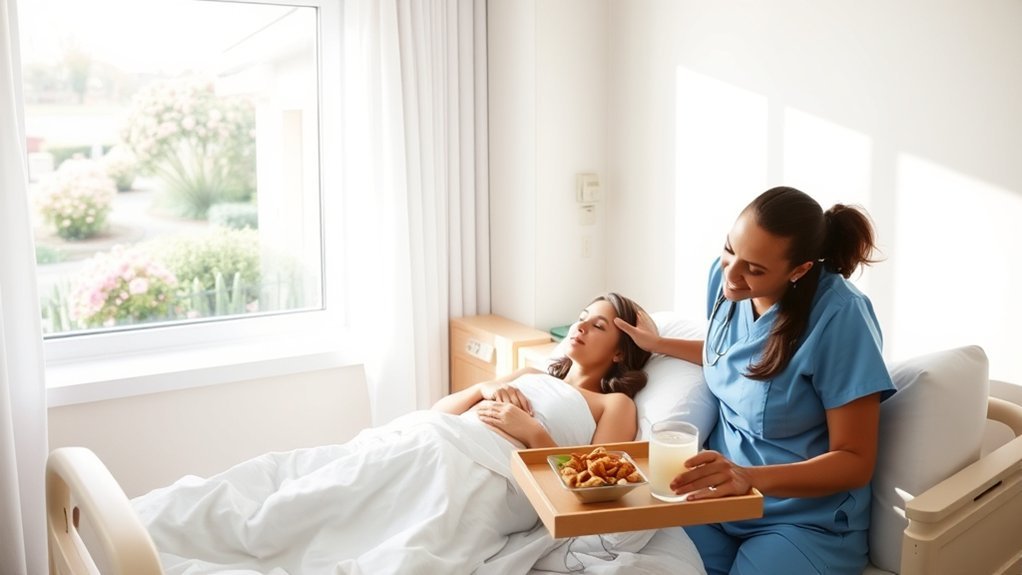
The first bowel movement after a C-section is widely considered one of the toughest hurdles new mothers face in early recovery. Knowing what helps and what to watch for can take a lot of the fear out of it and keep your healing on track.
Quick Answer
- Stay hydrated and include fiber-rich foods in your diet to prevent constipation.
- Short, gentle walks help wake up your digestive system after surgery.
- Over-the-counter stool softeners like Docusate Sodium or Miralax are commonly used and can ease discomfort.
- Call your doctor if you go more than three days without a bowel movement, or if you have severe pain, fever, or signs of infection.
Understanding the Post-Surgery Body
A C-section puts your body through significant changes, and knowing what to expect makes recovery easier. Discomfort, swelling, and fatigue are all normal in the days after surgery. Your abdominal muscles have been cut and repaired, so your range of motion will be limited for a while.
Hormonal shifts after birth also affect digestion, often causing constipation or irregular bowel movements. Eating fiber-rich foods when you feel ready and staying hydrated both help. For more on what recovery looks like week by week, Mayo Clinic’s postpartum recovery guidelines are a reliable starting point.
The Importance of Staying Hydrated
Proper hydration is one of the simplest and most effective ways to support recovery. It helps prevent constipation and keeps your digestive system moving, which matters a lot as you work toward that first bowel movement.
Aim to drink water consistently throughout the day. If you’re breastfeeding, your fluid needs are even higher. Herbal teas and clear broths count toward your intake too. If you feel thirsty, drink — your body is telling you something.
Dietary Considerations for Recovery
What you eat directly affects how smoothly your digestion recovers. A balanced diet supports healing and helps get your bowel movements back on track.
Three things to focus on:
- Fiber-Rich Foods: Fruits, vegetables, and whole grains ease constipation and support healthy digestion.
- Lean Proteins: Chicken, fish, and legumes give your body the nutrients it needs to repair tissue and maintain energy.
- Healthy Fats: Avocados and nuts support overall health and help your body absorb key nutrients.
Gentle Movement and Its Benefits
Light movement can do more for your recovery than you might expect. Short walks around the house stimulate digestion, improve circulation, and reduce swelling. They also help ease pain and muscle tension over time.
Start small. A few minutes of walking is plenty at first. Gradually increase the distance as you feel more comfortable, and stop if something hurts. Your body will signal when it needs rest.
What to Avoid
Knowing what not to do matters just as much as knowing what to do.
Don’t strain. Forcing a bowel movement puts pressure on your incision and can cause pain or complications. If things aren’t moving, try the hydration, diet, and gentle movement approaches first, or ask your doctor about a stool softener.
Be cautious with certain foods early on. Gas-producing foods like beans, cabbage, and carbonated drinks can cause uncomfortable bloating in the first few days. Ease back into them gradually.
Don’t skip fluids. Skipping water or relying only on caffeine can worsen constipation quickly. Caffeine in small amounts is generally fine, but it shouldn’t replace plain water.
Avoid heavy lifting or strenuous activity. These put unnecessary strain on your abdomen and slow healing overall, which indirectly affects digestion too.
When to Seek Medical Advice
Keep a close eye on your recovery, especially in the first week. Three situations call for a call to your healthcare provider:
- Severe Abdominal Pain: Intense pain that doesn’t improve with over-the-counter medications needs medical attention.
- Prolonged Constipation: If you haven’t had a bowel movement in more than three days after surgery, or you’re struggling significantly, reach out to your doctor.
- Signs of Infection: Fever, chills, or unusual discharge from the incision site can indicate a complication. Don’t wait on these.
Trust your instincts. If something feels wrong, it’s always better to call.
Recommended Over-the-Counter Remedies
Managing your first bowel movement after a C-section can be challenging, but several over-the-counter remedies can help. Stool softeners and fiber supplements ease discomfort, and staying hydrated keeps things moving.
Stool Softener Options
The right stool softener can take a lot of the difficulty out of your first bowel movement. Three commonly recommended options:
- Docusate Sodium: A gentle softener that draws water into the stool, making it easier to pass.
- Polyethylene Glycol (Miralax): An osmotic agent that retains water in the stool to soften it for smoother elimination.
- Senna: A natural stimulant laxative that encourages bowel contractions while softening stools.
Check with your healthcare provider before starting any new medication.
Fiber Supplements Benefits
Fiber supplements can ease the shift back to regular bowel movements after a C-section. They help prevent constipation, support gut health, and improve overall digestion. Here are some options worth considering:
| Supplement | Benefits | Usage Tips |
|---|---|---|
| Psyllium Husk | Increases stool bulk, softens stools | Mix with water, take daily |
| Methylcellulose | Creates a gel-like consistency, lessens straining | Start with small doses |
| Wheat Dextrin | Adds fiber without significant taste | Easily mixed into foods |
| Inulin | Promotes gut health, feeds good bacteria | Gradually increase intake |
| Acacia Fiber | Gentle on the stomach, high in soluble fiber | Mix with liquids |
Consult your healthcare provider before starting any supplement.
Hydration Importance
Staying well-hydrated is essential for new mothers recovering from a C-section. It helps prevent constipation and keeps your digestive system functioning properly.
A few over-the-counter options that can support hydration:
- Electrolyte drinks — These replenish fluids and help maintain energy levels.
- Herbal teas — Peppermint and ginger teas can soothe the stomach and support digestion.
- Water-enhancing drops — Adding flavor to water makes it easier to drink more throughout the day.
Listen to your body’s cues and drink enough to stay comfortable. Hydration is a quiet but powerful part of recovery.
Managing Pain and Discomfort
Feeling nervous about your first bowel movement after surgery is understandable, but there are practical ways to make it more manageable.
Use over-the-counter pain relief as recommended by your doctor before you attempt a bowel movement if you’re in significant discomfort. Sit upright on the toilet with your feet elevated on a small footstool — this posture promotes a more natural position for elimination.
Using over-the-counter pain relief and a footstool can ease discomfort during your first bowel movement after a C-section.
A warm compress on the abdomen can help too. Focus on slow, steady breathing to stay relaxed. If the pain is still significant, contact your healthcare provider before trying again.
Emotional Support During Recovery
The emotional side of C-section recovery is real and often underestimated. Anxiety, mood swings, and feeling overwhelmed are common, and they deserve attention alongside the physical recovery.
Three ways to find support:
- Talk to loved ones: Share what you’re going through with family or friends. You don’t have to manage this alone.
- Join support groups: Connecting with other new mothers who’ve had C-sections can provide community and perspective.
- Consult professionals: If anxiety or sadness feels persistent or overwhelming, a therapist or counselor can offer real, practical coping strategies.
Getting emotional support isn’t a luxury. It’s a meaningful part of healing.
Frequently Asked Questions
Can I Use a Stool Softener After My C-Section?
Yes, stool softeners are commonly used after C-sections and can help ease discomfort and support recovery. Talk to your healthcare provider about which option suits your needs best.
Will My Bowel Movement Be Painful After Surgery?
It can be uncomfortable, but it doesn’t have to be severe. Staying hydrated, using a stool softener if needed, and positioning yourself properly on the toilet all help reduce discomfort.
How Long Does Constipation Usually Last Post-C-Section?
Constipation after a C-section can last several days to a week. Hormonal changes and pain medications both contribute. Staying hydrated, eating fiber-rich foods, and moving around gently can help speed things along.
Is It Normal to Feel Anxious About My First Bowel Movement?
Completely normal. Many women feel the same way. Take your time, stay hydrated, and don’t hesitate to reach out for support. You’re not alone in this.
What Physical Positions Help During My First Bowel Movement?
Sitting upright with your feet elevated on a small stool works well. Lean slightly forward and breathe slowly and steadily to help your body relax and allow natural movement.
Conclusion
Recovery after a C-section takes time, and the first bowel movement is just one step along the way. Staying hydrated, choosing the right foods, moving gently, and listening to your body all make a real difference. Reach out for help when you need it. There’s support available, and you’ll find your rhythm again sooner than it might feel right now.