Disclosure: As an Amazon Associate, we earn from qualifying purchases. If you click a link on this page and make a purchase, we may receive a small commission at no extra cost to you.
Mixing baby formula several times a day can feel repetitive, especially when clumps, bubbles, spills, or timing worries slow you down. The Electric Formula Pitcher is built to make bottle prep easier with automated mixing, a 36-ounce container, BPA-free materials, and a rechargeable design. This review looks at whether its convenience, smoother mixing, and timer feature are worth the extra cost compared with a simple manual pitcher. It can be a smart choice for busy feeding routines, but it is not the best fit for every household.
Quick Verdict
Rating: Recommended with caveats
Best For: Parents and caregivers who mix formula often and want a more consistent, hands-off routine.
Bottom Line: The Electric Formula Pitcher is useful if you value smoother mixing, less manual shaking, and easier batch prep. The tradeoff is that it costs more than manual pitchers and adds another rechargeable item to clean, store, and maintain.
| Specification | Detail |
|---|---|
| Product Type | Electric formula mixing pitcher |
| Capacity | 36 ounces |
| Mixing Cycle | One-press automatic mixing for 2.5 minutes |
| Mixing System | Bidirectional stirring that changes direction every 10 seconds |
| Battery | Rechargeable 1200mAh battery |
| Material Note | BPA-free materials stated in the article |
| Lid Design | Locking lid with leak-resistant spout |
| Timer | 24-hour preparation timer with rotating pointer |
| Best Use | Batch mixing baby formula, breastmilk, and other liquids when supported by product instructions |
| Safety Note | Follow formula label, storage guidance, and product cleaning instructions before each use |
Key Takeaways
- The electric formula pitcher automates mixing, which can save time and reduce manual effort during busy feeding routines.
- Its bidirectional stirring helps reduce clumps and bubbles, creating a smoother formula or breastmilk mixture.
- The BPA-free, locking-lid design improves spill control and makes the pitcher more practical for everyday use.
- The 36-ounce capacity and rechargeable battery add convenience, though the size and charging requirement may not suit every household.
- It is worth buying if you value consistency and convenience, but manual pitchers remain cheaper and simpler.
What Is the Electric Formula Pitcher?
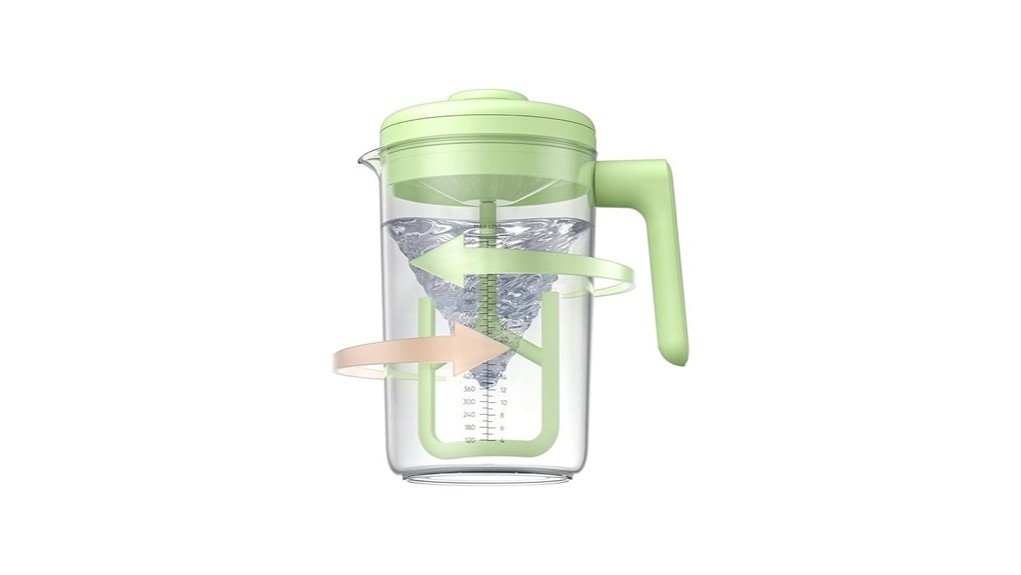
The Electric Formula Pitcher is a rechargeable mixing pitcher made for preparing baby formula, breastmilk, and other liquids with less hand stirring or shaking. It uses an automatic mixing cycle inside a 36-ounce container, so you can prepare multiple servings at once when that fits your feeding routine.
The main appeal is consistency. Instead of shaking a bottle by hand and hoping the powder breaks down evenly, the pitcher uses bidirectional stirring to help reduce dry pockets, clumps, and excess bubbles. That can make bottle prep feel calmer, especially when you are preparing several bottles during a busy day.
This is not a medical device or a replacement for safe formula preparation rules. You still need to follow the formula label, measure correctly, use safe water as directed, store prepared formula properly, and clean the pitcher after use.
Before You Buy: This pitcher adds convenience, but it also adds another part of your feeding routine that must be charged, washed, dried, and stored correctly.
Who Should Buy It?
Best For
- Parents who mix formula daily and want a smoother, more repeatable process.
- Caregivers who prefer batch preparation in a 36-ounce pitcher instead of mixing each bottle by hand.
- Households that value spill control, a locking lid, and a simple one-press mixing cycle.
Skip If
- You only prepare formula occasionally and do not need an electric mixer.
- You prefer the lowest-cost option and are happy with a manual pitcher.
- You do not want another rechargeable item to clean, charge, and keep on your counter or in the refrigerator.
Key Electric Formula Pitcher Features
At the center of the Electric Formula Pitcher’s appeal is a practical feature set built around smoother mixing, spill control, and easier preparation. The 36-ounce capacity gives you room for batch mixing, while the automated stirring system helps reduce the effort needed to prepare formula by hand.
Its BPA-free construction is important because the pitcher is used around baby feeding. The locking lid and leak-resistant spout help reduce spills while pouring, which matters when you are preparing bottles during night feedings or while caring for more than one child.
The rechargeable battery adds portability because the pitcher does not need to stay plugged in while mixing. Still, that also means you need to remember charging as part of the routine.
How the Mixing System and Timer Work
One press starts a 2.5-minute automatic mixing cycle powered by a 1200mAh rechargeable battery. This gives the pitcher a controlled way to mix formula or other supported liquids without requiring constant hand stirring.
The bidirectional stirring changes direction every 10 seconds. That motion is designed to improve circulation inside the pitcher, reduce clumps, and limit bubbles compared with aggressive shaking. The trapezoidal stirring rod supports even movement through the liquid, so the mixture can become smoother with less hands-on work.
The 24-hour timer records preparation time through a rotating pointer. This can help you track when a batch was made, but you should still follow your formula brand’s storage instructions and your pediatrician’s guidance when needed.
Pro Tip: Measure water and powder carefully before starting the mixing cycle, then let the pitcher complete the full 2.5-minute cycle for the most consistent result.
Design and Build Quality
The design is built around daily feeding convenience rather than decoration. A 36-ounce container gives you enough space for multiple servings, while the smooth pouring spout helps transfer formula into bottles without as much dripping.
The locking lid is one of the more useful design details because it helps keep liquid contained during mixing and pouring. This is especially helpful if you prepare formula in a small kitchen, shared space, or low-light setting where spills are more likely.
The BPA-free material note is also important for a baby-feeding product. Even so, you should inspect the pitcher and mixing parts regularly. Stop using it if you notice cracking, loose parts, unusual odor, or damaged sealing areas.
Ease of Use
The main reason to buy this pitcher is ease of use. You add the liquid and formula according to the formula label, secure the lid, press the button, and let the pitcher run its automatic mixing cycle. This reduces the repeated motion of shaking or stirring several bottles by hand.
The timer is also useful for organization. It does not replace safe storage rules, but it gives you a quick visual reminder of when the batch was prepared. That can be helpful in a busy home where more than one caregiver handles feeding.
The limitation is that electric convenience adds steps. You need to charge the battery, avoid getting the base wet if the instructions require it, and clean the pitcher well after each use.
Cleaning and Maintenance
Cleaning matters because this pitcher touches baby formula and other feeding liquids. The pitcher and mixing components should be rinsed soon after use, then washed with warm soapy water according to the product instructions.
Detachable parts should be fully air-dried before storage. Any powered base or electrical section should be kept dry unless the product manual clearly says otherwise. This helps protect the battery area and lowers the chance of buildup around the mixing mechanism.
For best results, avoid letting formula residue dry inside the pitcher. Dried formula can cling to corners, the stirring rod, the lid area, and the spout, making cleaning harder later.
Baby Safety Notes
Because this product is used for baby feeding, safe preparation matters more than speed. Always follow the formula label for water amount, powder amount, water temperature, storage time, and discard rules. The pitcher can help with mixing, but it cannot correct unsafe measurements or expired formula.
Use caution with hot liquids. The article notes BPA-free materials and a locking lid, but heat resistance limits should be verified from the product instructions before using very warm liquid. Hot contents can also create burn risks during pouring.
Parents should also check with a pediatrician if the baby needs special formula, thickened feeds, hypoallergenic formula, or any feeding plan related to reflux, allergy, prematurity, or medical concerns.
How It Performs in Real Use
For Daily Formula Prep
For daily formula prep, the pitcher’s biggest benefit is reducing repeated hand mixing. If you prepare several bottles per day, the one-press cycle can make the process feel more predictable and less tiring.
For Nighttime Feedings
During nighttime feedings, smoother pouring and a locking lid can help reduce mess. The motor may still make some sound, but the article suggests it is quiet enough for practical nighttime use in many homes.
For Batch Preparation
The 36-ounce capacity works well if you like preparing a larger amount at once. This can save time, but only if you follow safe storage guidance and avoid keeping prepared formula longer than recommended by the formula label or your child’s healthcare provider.
For Small Kitchens or Shared Spaces
In smaller kitchens, the pitcher may be easier than using several bottles, scoops, and stirring tools at once. The tradeoff is storage space. You need room for the pitcher itself, and you may need to check whether it fits your refrigerator shelf or door bin.
Setup Tips Before First Use
- Wash and dry the pitcher, lid, spout area, and mixing parts before the first use.
- Charge the battery fully before relying on it for daily feeding prep.
- Check that the lid locks securely before starting the mixing cycle.
- Use the 24-hour timer as a reminder, but follow formula storage instructions first.
- Test refrigerator fit before making a large batch, especially if your shelves are shallow.
Pros and Cons
Pros
- Automatic 2.5-minute mixing cycle reduces manual stirring and shaking.
- Bidirectional stirring helps reduce clumps and bubbles for smoother formula.
- 36-ounce capacity supports batch preparation for busy feeding routines.
- BPA-free materials and locking lid are useful for baby-feeding use.
- 24-hour timer helps caregivers track when a batch was prepared.
Cons
- Costs more than a basic manual formula pitcher.
- Requires charging, cleaning, drying, and storage space.
- 36-ounce size may not fit every refrigerator shelf or feeding routine.
Is the Electric Formula Pitcher Worth Buying?
The Electric Formula Pitcher is worth buying if you mix formula daily and care about consistency, speed, and less manual effort. Its one-press 2.5-minute blending, spill-resistant lid, and 24-hour timer can make feeding prep feel more organized.
Compared with manual pitchers, it sits in a more convenience-focused category. The higher upfront cost may make sense if fewer clumps, smoother pouring, and easier batch mixing matter to your routine.
It is less compelling if you only prepare formula once in a while or prefer the simplest possible tool. A manual pitcher is cheaper, has fewer parts, and does not need charging.
How It Compares to Alternatives
Compared with a manual formula pitcher, the Electric Formula Pitcher saves effort by mixing automatically. A manual pitcher is cheaper and easier to maintain, but it requires more hand movement and may not feel as consistent for frequent batch prep.
Compared with bottle-by-bottle shaking, this pitcher can reduce bubbles and keep preparation more organized. Bottle shaking is faster for a single feeding, but it may be less convenient if you prepare multiple bottles each day.
Common Mistakes to Avoid
- Do not use the timer as the only safety guide for formula freshness.
- Do not overfill the pitcher beyond its intended capacity.
- Do not put powered parts in water unless the manual clearly allows it.
- Do not assume it fits every refrigerator door shelf without checking space first.
- Do not use very hot liquid unless the product instructions confirm safe heat limits.
Frequently Asked Questions
How do you clean the pitcher and mixing components?
Rinse the pitcher soon after use, then wash the container, lid, spout, and mixing parts with warm soapy water according to the product instructions. Let detachable parts air-dry fully before storing or using them again.
Is the battery replaceable or rechargeable via USB?
The article supports a rechargeable 1200mAh battery, but it does not confirm a replaceable battery. Check the seller details or manual for the exact charging method before buying.
Can it fit standard refrigerator door shelves easily?
It may fit some refrigerator door shelves, but fit depends on shelf depth, height clearance, and surrounding bottle space. Because it holds 36 ounces, checking your refrigerator space before batch prep is a smart step.
Is it safe to use with hot liquids?
Use hot liquids only if the product instructions confirm safe temperature limits. A locking lid and BPA-free materials are helpful, but very hot liquid can still create burn risks or damage parts if the pitcher is not designed for it.
Does it work quietly during nighttime feedings?
The article suggests the noise level is low enough for practical nighttime use, though it is not completely silent because it has a motor. If your baby wakes easily, run the mixing cycle outside the sleeping area when possible.
Is this better than a manual formula pitcher?
It is better if you want automated mixing, smoother consistency, and less hand effort. A manual pitcher is better if you want a cheaper option with no battery and fewer parts to maintain.
Who should skip this electric formula pitcher?
Skip it if you rarely mix formula, have limited storage space, or prefer the simplest low-cost feeding tools. You may also want to skip it if you do not want to manage charging and careful cleaning.
The Bottom Line
The Electric Formula Pitcher makes the most sense for parents who prepare formula often and want smoother mixing with less manual effort. Its automated stirring, 36-ounce capacity, rechargeable battery, and timer are helpful, but the higher cost and added cleaning routine make it less ideal for occasional use.
Buy it if convenience and consistency matter most. Skip it if a basic manual pitcher already fits your feeding routine.