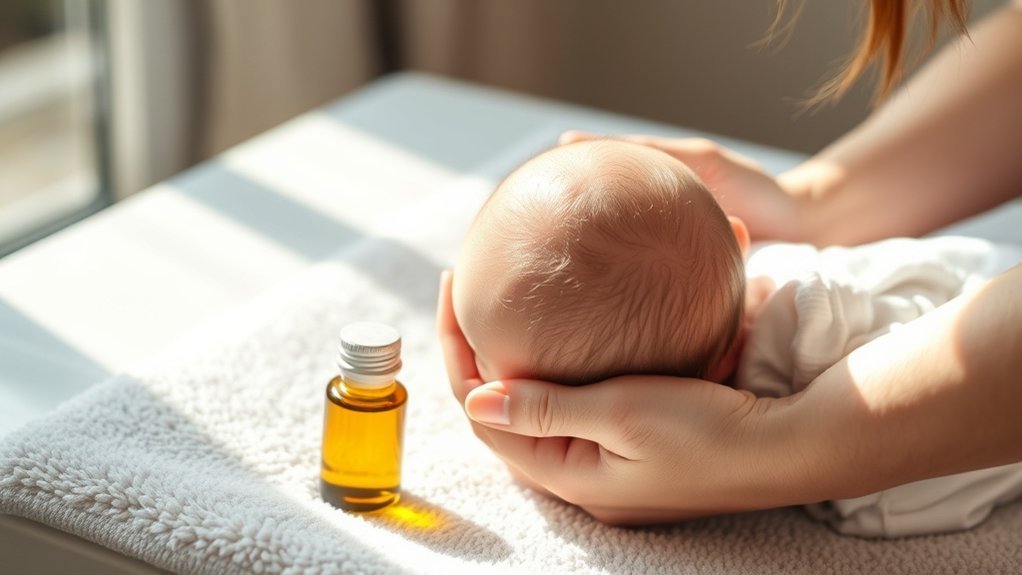
Cradle cap can be concerning for many parents. The good news is that this common condition is almost always harmless. You might notice flaky, scaly patches on your baby’s scalp, but in most cases, it clears up on its own. A gentle care routine can help keep your baby comfortable. Here you’ll find practical strategies to manage cradle cap and what to watch for as your little one grows.
Quick Answer
- Cradle cap is a harmless skin condition that causes scaly, crusty patches on a baby’s scalp.
- It is not caused by poor hygiene and is not contagious.
- Most cases resolve on their own with gentle washing, soft brushing, and occasional moisturizing.
- See a pediatrician if patches spread, become inflamed, or do not improve with basic care.
Understanding Cradle Cap: What It Is
Cradle cap, medically known as seborrheic dermatitis, is a common skin condition in infants. It typically appears as scaly patches on the scalp that may look yellowish or crusty. These patches can sometimes spread to the face or behind the ears.
Despite its appearance, cradle cap is not usually painful or itchy for your baby. The condition is linked to an overproduction of oil on the skin, which can be influenced by hormonal changes or the presence of yeast. It is a benign condition and often resolves without any treatment.
Common Symptoms of Cradle Cap
The most common sign is yellow or greasy patches on your baby’s scalp, often with visible scales or crust. The affected skin may look red or inflamed, though it typically does not cause discomfort.
Cradle cap can also appear on the eyebrows, eyelids, or behind the ears. A faint odor from the affected areas is sometimes noticeable. While generally harmless, keeping an eye on your baby’s scalp will help you catch any changes early and act if needed.
Causes of Cradle Cap in Infants
The exact cause of cradle cap is not fully understood. Several factors may contribute to it in infants, including overactive oil glands, the presence of yeast-like fungi on the skin, and genetic predisposition. Here’s a quick overview:
| Factor | Description | Impact on Cradle Cap |
|---|---|---|
| Overactive Oil Glands | Excess sebum production | Increases likelihood of flakes |
| Fungal Presence | Yeast-like organisms on skin | May aggravate condition |
| Genetics | Family history of skin issues | Higher susceptibility |
| Hormonal Changes | Maternal hormones affecting baby | Can trigger skin conditions |
| Environment | Humidity and temperature variations | May worsen symptoms |
How to Diagnose Cradle Cap
Cradle cap is usually easy to spot once you know what to look for. The telltale signs are yellow, crusty patches on your baby’s scalp that may appear greasy or scaly. These patches vary in size and can sometimes appear on the forehead, eyebrows, or behind the ears.
Cradle cap is rarely harmful and typically does not cause discomfort. That said, if your baby’s scalp looks red or inflamed, or if any patches are bleeding or oozing, a pediatrician should take a look to rule out other skin conditions and guide next steps.
Effective Home Care Strategies
Gentle cleansing techniques, regular moisturizing, and consistent brushing can all help manage cradle cap at home. Together, these steps keep the scalp clean and reduce flakiness over time.
Gentle Cleansing Techniques
Use a mild baby shampoo made for sensitive skin. Gently massage a small amount onto your baby’s scalp with your fingertips, without vigorous scrubbing. This loosens scales without causing irritation.
Rinse thoroughly with warm water and make sure no residue remains. A soft-bristled baby brush can help sweep away loose flakes after washing. Washing once or twice a week is enough since over-washing can actually make things worse.
Moisturizing Scalp Remedies
Natural oils like coconut or olive oil are popular options for softening cradle cap scales. Gently massaging a small amount onto the scalp can reduce dryness and make the flakes easier to remove. Leave the oil on for about 20 to 30 minutes, then wash it out with a mild shampoo.
If you prefer a commercial product, look for baby-safe moisturizers designed for sensitive skin. Applying these remedies consistently tends to give the best results. Check with your pediatrician if symptoms persist or you have questions about which product to use.
Regular Brushing Practices
Gently brushing your baby’s scalp can help loosen and remove scale buildup. Here are some practical tips:
- Use a soft-bristled brush or a fine-toothed comb.
- Brush daily, preferably after a bath when the scalp is still moist.
- Be gentle and avoid pulling on the hair.
- Apply a light oil or moisturizer before brushing to make the process easier.
- Check the scalp regularly for any signs of irritation or infection.
When to Use Over-the-Counter Treatments
Cradle cap often resolves on its own, but stubborn cases may benefit from over-the-counter treatments. If you notice persistent flakes, redness, or signs that your baby is bothered by itching, these options are worth considering.
Look for gentle shampoos formulated to loosen scales without causing irritation. Some contain ingredients like salicylic acid or coal tar. Always consult your pediatrician before starting any treatment, especially if your baby has sensitive skin or other skin conditions. These products work best when used sparingly alongside a regular care routine.
Natural Remedies for Cradle Cap
If basic care has not fully resolved the cradle cap, some natural remedies may help soothe the scalp. These options are gentle and many parents find them effective:
- Coconut oil: Apply a small amount to the affected area to moisturize and help loosen scales.
- Olive oil: Similar to coconut oil, it hydrates the scalp and makes flakes easier to comb out.
- Aloe vera: This soothing gel can help reduce inflammation and irritation.
- Chamomile tea: A cooled infusion applied gently may calm the scalp.
- Lavender oil: Diluted with a carrier oil, it may help reduce redness.
Talk to your pediatrician before trying any new remedy to make sure it’s safe for your baby.
Preventing Cradle Cap: Tips for Parents
Prevention starts with a consistent bathing routine. Gently wash your baby’s scalp with a mild baby shampoo two to three times a week. After washing, use a soft brush or cloth to gently exfoliate the scalp and clear away any flakes.
Keeping the scalp moisturized also helps. A light oil or baby lotion can prevent dryness. Try to avoid overheating your baby, since excessive sweating can contribute to cradle cap. Once your baby is eating solids, a balanced diet supports healthy skin overall. These steps together can significantly lower the chance of cradle cap developing.
When to Consult a Pediatrician
If your baby’s cradle cap symptoms persist despite regular care, a pediatrician should take a look. Watch for any signs of infection such as redness, swelling, or oozing. Skin changes that do not resemble typical cradle cap also warrant a professional evaluation.
Persistent Cradle Cap Symptoms
Cradle cap usually clears on its own, but persistent symptoms can signal something that needs attention. Reach out to your pediatrician if you notice any of the following:
- Thick, scaly patches that do not respond to treatment
- Redness or inflammation in the affected areas
- Persistent itching or clear discomfort
- Cradle cap spreading beyond the scalp
- Changes in your baby’s mood or behavior that seem related to the irritation
Catching these signs early helps make sure your baby gets appropriate care. When in doubt, seek professional advice rather than waiting.
Signs of Infection
Persistent cradle cap can sometimes mask an underlying infection. Redness, swelling, or unusual warmth around the affected area may all point to one. Pay attention to any unusual discharge, as yellow or green pus is a clear warning sign.
If your baby seems to be in pain, is excessively fussy, or has a fever, see your pediatrician promptly. Early treatment matters, since untreated infections can lead to more serious complications. Trust your instincts. If something does not seem right, get a professional opinion.
Unusual Skin Changes
Cradle cap is often a harmless condition, but certain skin changes need a closer look. See your pediatrician if you notice any of the following:
- Redness or swelling around the affected area
- Persistent crusting or flaking that does not improve
- Color changes such as yellow or brown patches
- Visible signs of discomfort or itching
- New rashes appearing alongside the cradle cap
These symptoms could point to an infection or another skin condition that needs medical attention. Your pediatrician can recommend the right treatment and make sure your baby’s skin health stays on track.
Debunking Myths About Cradle Cap
Several myths about cradle cap cause unnecessary worry. Here are the facts:
| Myth | Fact |
|---|---|
| Cradle cap is caused by poor hygiene. | It’s not due to uncleanliness; it’s a common skin condition. |
| Only babies with dry skin get cradle cap. | Babies with oily skin can also develop it. |
| Cradle cap will harm my baby. | It’s harmless and usually resolves on its own. |
| You should scrub the scalp hard. | Gentle washing works best; harsh scrubbing can irritate the skin. |
| Cradle cap indicates a serious illness. | It’s benign and does not signal a health problem. |
Frequently Asked Questions
Can Cradle Cap Occur in Older Children or Adults?
Yes, cradle cap can occur in older children and adults, although it’s less common. If you notice flaky, scaly patches on the scalp, a healthcare professional can help you find the right treatment.
Is Cradle Cap Contagious to Other Children?
No, cradle cap is not contagious. It’s a common skin condition that primarily affects infants and usually resolves on its own without treatment.
How Long Does Cradle Cap Usually Last?
Cradle cap typically lasts a few weeks to several months. In most cases, it clears up without treatment. Gently washing your baby’s scalp regularly can help manage it in the meantime.
Can Diet Affect the Severity of Cradle Cap?
Research on this is limited. Some parents find that healthier food choices seem to improve their baby’s skin over time, though a direct link has not been firmly established.
Are There Any Long-Term Effects of Cradle Cap?
Cradle cap typically does not cause long-term effects. Most children outgrow it without any complications. If symptoms persist or skin irritation continues, a pediatrician can provide the right guidance.
Conclusion
Caring for your baby’s cradle cap is really about nurturing their comfort day to day. The condition is a temporary phase, not a reflection of how well you’re parenting. With patience and consistent care, most cases clear up without any lasting effects, giving your little one a healthy start.