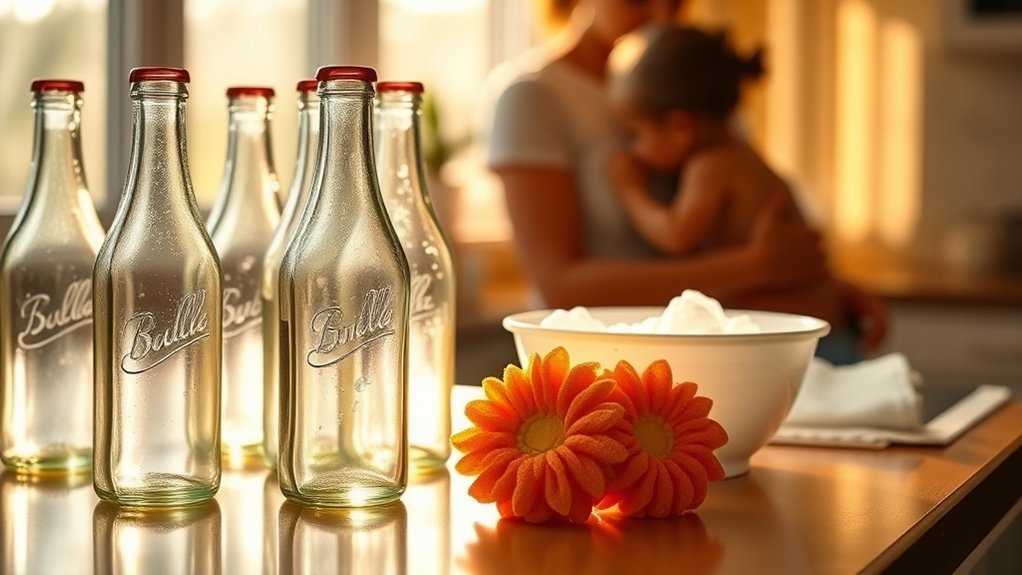
Cleaning bottles might seem like a small task, but it matters more than most parents expect. Each wash keeps your baby safe from harmful bacteria and gives you a quiet moment to reflect on the day. As you scrub away the remnants of a feeding, you’re not just protecting your child’s health — you’re doing one of the many small things that add up to good parenting.
Quick Answer
- Wash bottles thoroughly after every feeding to prevent bacteria buildup.
- Use gentle, non-toxic dish soap and rinse well to remove all soap traces.
- Sterilize using boiling water or a dedicated sterilizer, especially when your baby is newborn or unwell.
- Air-dry on a clean rack and store bottles in a covered, dry place.
- Choose BPA-free plastic or glass bottles and inspect them regularly for cracks.
The Importance of Bottle Hygiene
Your baby’s health depends on clean bottles. Skipping proper cleaning can lead to bottle contamination, which can cause serious illness in infants whose immune systems are still developing.
Wash bottles thoroughly after each use to remove any milk residue that could harbor bacteria. Choose bottles made from safe materials, like BPA-free plastics or glass, to protect your baby from harmful chemicals.
Inspect bottles regularly for cracks or wear. Even small cracks can trap germs that soap and water can’t always reach. A little extra care at cleaning time goes a long way toward protecting your baby.
Common Challenges Parents Face
Knowing how important bottle hygiene is and actually keeping up with it are two different things. Busy feeding schedules, limited storage space, and sheer exhaustion can make it hard to stay consistent.
You might feel like you’re stuck in an endless cycle of washing, storing, and prepping bottles. That feeling is completely normal.
| Challenge | Emotion |
|---|---|
| Time constraints | Frustration |
| Fatigue from sleepless nights | Exhaustion |
| Difficulty finding storage space | Anxiety |
| Balancing multiple tasks | Overwhelm |
Recognizing these challenges is the first step toward finding solutions that actually work for your family. Many parents face the same obstacles, so you’re not alone in this.
Effective Cleaning Techniques
The right approach to cleaning can make a real difference in your daily routine.
Start with good cleaning supplies. Look for gentle, non-toxic dish soaps that break down milk residue without leaving harsh chemical traces. For sanitizing, boiling water or a dedicated bottle sterilizer both work well. After washing, rinse thoroughly to remove all soap.
Choose gentle, non-toxic dish soaps and sanitize bottles with boiling water or a sterilizer for a thorough clean.
For stubborn stains or odors, a paste of baking soda and water works well. Pay close attention to nipples and caps — these small parts tend to trap the most bacteria.
Rotating your bottles regularly keeps clean ones always ready for the next feeding.
How to Dry and Store Bottles Safely
Cleaning is only half the job. How you dry and store bottles determines whether they stay clean until the next use.
After washing, place bottles, nipples, and caps on a clean drying rack. Let them air-dry completely — towel drying can transfer bacteria from the cloth to the bottle. Never stack or cover bottles before they’re fully dry, as trapped moisture encourages mold and bacterial growth.
Once dry, store bottles in a clean, covered container or a dedicated cabinet away from raw food or cleaning products. If a bottle has been sitting unused for more than a day or two, give it a quick rinse before use.
These habits take just a few extra minutes but significantly reduce the risk of recontamination after all your cleaning effort.
Time-Saving Tips for Busy Parents
A few small habits can take a lot of the friction out of bottle cleaning.
Soak bottles and nipples in warm, soapy water right after each feeding. This loosens residue while you’re busy with other things, so scrubbing takes far less effort later. A bottle brush with a built-in scrubber speeds up the actual washing.
Clean bottles while you’re already in the kitchen preparing food, or while your baby is settled for a nap. A dishwasher basket made for bottle parts lets you run everything through a regular load with minimal effort.
Small adjustments like these keep the routine manageable even on the hardest days.
The Emotional Significance of Bottle Cleaning
Bottle cleaning carries more emotional weight than most people expect. Each time you scrub those bottles, you’re also moving through memories tied to your baby’s growth — the first time they took a bottle, a late-night feeding, a moment of calm in an otherwise chaotic week.
This routine, as repetitive as it feels, offers a rare chance to pause. You can see how far you’ve come as a parent just by looking at where you are in the routine. Over time, this simple task can shift from an obligation into something that quietly grounds you in the present.
Frequently Asked Questions
How Often Should I Clean My Baby’s Bottles?
Clean your baby’s bottles after every feeding. A consistent feeding schedule makes it easier to stay on top of this. Regular washing prevents bacteria from building up and keeps your baby safe between feedings.
Can I Use Dish Soap for Cleaning Bottles?
Dish soap works well for cleaning bottles. Choose a gentle, fragrance-free formula and rinse thoroughly afterward. A dedicated bottle brush helps ensure you’re cleaning all the way to the bottom and around the nipple.
What Materials Are Safest for Baby Bottles?
BPA-free plastic, glass, silicone, and stainless steel are all considered safe options. Each has trade-offs in durability, weight, and ease of cleaning, so the best choice depends on what fits your routine and your baby’s needs.
Is It Necessary to Sterilize Bottles Every Time?
No, daily sterilization isn’t required for most healthy babies. Thorough washing after each feeding is sufficient in normal circumstances. Sterilize more frequently if your baby is a newborn, has been ill, or has a weakened immune system.
How Can I Remove Stubborn Stains From Bottles?
Soak the bottle in warm soapy water first to loosen the stain. Then apply a paste of baking soda and water directly to the stained area. For odors, a soak in diluted white vinegar followed by a thorough rinse usually does the trick.
Conclusion
Cleaning bottles is one of those tasks that looks simple but carries real significance. Each wash protects your baby’s health and quietly marks another moment in your parenting journey. The laughter, the late nights, the small milestones — they all leave their trace.
Treat this routine as what it is: a small act of care that connects you to your child’s growth. Clean bottles, healthy baby, and a few quiet moments to yourself. That’s not nothing.

