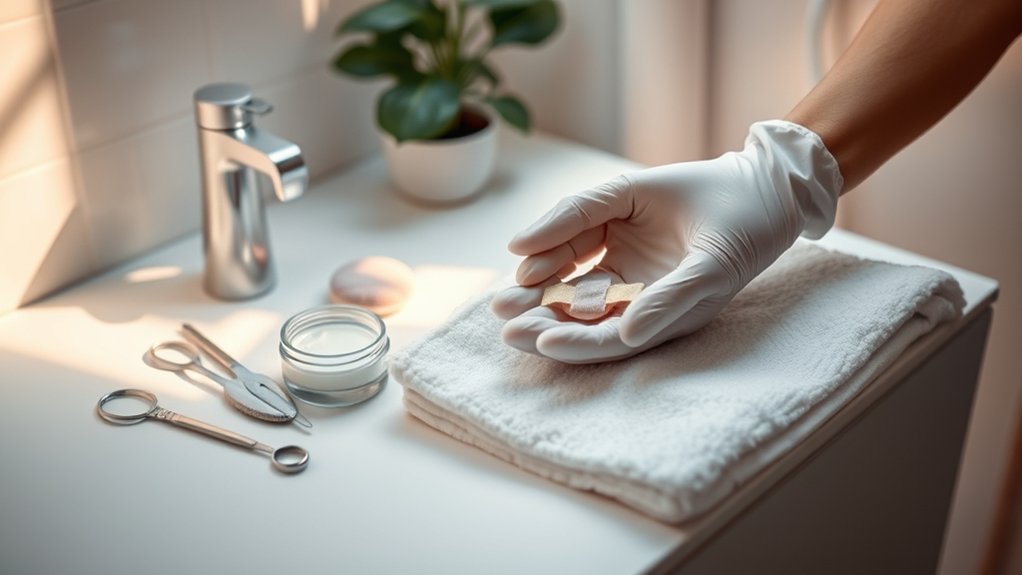
Proper aftercare after circumcision is essential for a smooth recovery. You’ll need to manage bleeding, keep the area clean, and watch for any signs of infection. Each step matters and can directly affect comfort and healing time.
For parents making this decision, the American Academy of Pediatrics offers guidance on what to expect before and after the procedure.
Quick Answer
- Keep the surgical site clean and dry, and change dressings as directed.
- Apply petroleum jelly to prevent the gauze from sticking to the wound.
- Use over-the-counter pain relievers and a cold compress to manage discomfort.
- Watch for signs of infection (redness, swelling, unusual discharge, fever) and contact your healthcare provider if any appear.
- Most people recover within one to two weeks with proper care.
Understanding the Circumcision Procedure
Understanding the circumcision procedure helps set realistic expectations and supports informed decision-making. This surgery involves removing the foreskin from the penis, typically performed on newborns or young children. The procedure is conducted under sterile conditions and usually uses local anesthesia to minimize discomfort.
A healthcare professional will assess the patient’s overall health and ensure proper positioning throughout. The procedure generally takes around 15 to 30 minutes. Afterward, monitoring for any immediate complications is essential. Familiarizing yourself with the technique and potential risks will help you have a more productive conversation with your healthcare provider.
Immediate Post-Procedure Care
Immediate care after circumcision plays a vital role in ensuring a smooth recovery. Follow these guidelines to promote healing and minimize complications.
| Action | Timing | Purpose |
|---|---|---|
| Apply gentle pressure | Immediately | Control bleeding |
| Keep the area clean | Every day | Prevent infection |
| Monitor for unusual signs | Daily for a week | Identify complications early |
Keep the surgical site dry and avoid exposing it to water until your healthcare provider says it’s safe. Use a clean, soft cloth to gently pat the area dry. Watch for signs of infection such as increased redness or discharge, and contact your provider if anything seems off.
Dressing and Ointment Care
Applying a thin layer of petroleum jelly (such as Vaseline) to the tip of the penis or directly to the gauze dressing is a standard part of aftercare. This prevents the gauze from sticking to the healing wound, which reduces pain during dressing changes and lowers the risk of reopening the site.
Change the dressing at every diaper change for infants, or as directed by your provider for older patients. After the first day or two, many providers recommend leaving the area open to air once the initial dressing is removed. Always follow your specific provider’s instructions, since post-operative protocols can vary slightly depending on the technique used.
Avoid any dressings or products not recommended by your healthcare team. Some ointments contain ingredients that can irritate healing tissue.
Managing Pain and Discomfort
Managing pain after a circumcision can significantly affect overall comfort and recovery speed. Take over-the-counter pain relievers like ibuprofen or acetaminophen as directed to manage discomfort effectively.
Apply a cold compress to the area for 10 to 15 minutes at a time to help reduce swelling and provide temporary relief. Avoid tight clothing that might irritate the site. Opt for loose-fitting underwear and breathable fabrics instead.
If your provider prescribed a topical medication, follow their instructions closely. Pay attention to your body. If pain intensifies or you notice unusual symptoms, contact your healthcare professional promptly for further evaluation.
Keeping the Area Clean
Keeping the area clean is essential for proper healing after circumcision. A few consistent habits go a long way.
- Use mild soap and warm water to gently cleanse the area during baths.
- Pat the area dry with a clean towel. Avoid rubbing, as this can cause irritation.
- Change any dressings as directed, making sure they are clean and dry.
Avoid alcohol-based wipes or creams, as these can irritate sensitive healing tissue. Check the area regularly, and if you notice any unusual discharge, address it with your provider promptly. Consistent cleanliness helps reduce the risk of complications and supports faster healing.
Recognizing Signs of Infection
After circumcision, monitor the site for signs of infection. Common symptoms include increased redness, swelling, or discharge. If you notice any of these, or if fever or persistent pain develops, seek medical help promptly.
Common Infection Symptoms
Identifying infection early can prevent complications. Watch for these warning signs:
- Increased redness or swelling: If the area around the circumcision site looks noticeably red or swollen, it may indicate an infection.
- Unusual discharge: Pus or fluid that is yellow, green, or foul-smelling could signal a problem.
- Fever: A rise in body temperature, especially alongside other symptoms, may mean your body is fighting an infection.
Monitoring these symptoms closely helps you catch issues early and keep the recovery on track. Staying on top of hygiene and following care instructions will minimize infection risks.
When to Seek Help
Some signs after circumcision warrant a call to your healthcare provider right away. If you notice increased redness, swelling, or discharge that is yellow or green, consult a provider. Persistent or worsening pain accompanied by fever also requires immediate attention.
If the circumcision site emits a foul odor, that may indicate infection. Changes in urination, such as a burning sensation or difficulty urinating, also need evaluation. When in doubt, contact your doctor. Timely intervention can prevent complications and support proper healing.
When to Contact a Healthcare Provider
If you notice unusual bleeding or discharge after the procedure, contact your healthcare provider immediately. Any signs of infection, such as increased redness, swelling, or persistent pain, warrant prompt medical attention. Stay alert during recovery to catch problems early.
Unusual Bleeding or Discharge
Monitor the surgical site closely for signs of abnormal bleeding or discharge. These are the key indicators that warrant contacting your provider:
- Excessive bleeding: Continuous bleeding that does not stop with applied pressure after 15 minutes.
- Dark red or brown discharge: This may indicate old blood and could signal an issue if it persists.
- Bright red discharge: Fresh blood or a significant increase in discharge could suggest a complication.
If you observe any of these signs, reach out to your healthcare provider promptly. Early action can prevent further complications and support proper healing.
Signs of Infection
Early detection of infection can greatly improve recovery outcomes. Look for increased redness or swelling around the surgical site. Persistent warmth or tenderness may also indicate a problem.
Watch for any discharge with a foul odor or yellowish-green color, which could suggest pus. A fever over 101°F (38.3°C) requires a call to your healthcare provider right away, as this may signal a systemic infection. Pain that worsens rather than improves after a few days is another concern. Timely medical advice can prevent complications and lead to a smoother recovery.
Long-Term Care and Considerations
Proper hygiene is important, but long-term care after circumcision extends beyond the first few days. Keep a few things in mind as healing continues.
- Regular check-ups: Schedule follow-ups with your healthcare provider to monitor healing and address any concerns.
- Observe changes: Stay alert for unusual symptoms, such as persistent pain or skin changes, and report them promptly.
- Sexual health: Ask your doctor when it is safe to resume sexual activity and whether there may be any impact on sensitivity or comfort.
Frequently Asked Questions
Can Circumcision Affect Sexual Performance Later in Life?
Circumcision generally does not affect sexual performance later in life. Many studies show no significant differences in sexual function or satisfaction between circumcised and uncircumcised individuals.
What Is the Typical Recovery Time After Circumcision?
Recovery after circumcision typically takes about one to two weeks. During this time, the body heals steadily and most people can return to normal activities with appropriate care.
Are There Any Dietary Restrictions Post-Circumcision?
There are no strict dietary restrictions after circumcision, but avoiding spicy, acidic, or very hard foods is a reasonable precaution. Staying hydrated and eating soft foods can support a smoother recovery.
Will Circumcision Impact Future Urinary Health?
Studies show circumcised men have a 50% lower risk of urinary tract infections. Circumcision can positively impact future urinary health by reducing the likelihood of infections and related complications.
Is Circumcision Reversible or Permanent?
Circumcision is a permanent procedure. Once the foreskin is removed, the anatomical changes cannot be reversed, and surgical restoration attempts are unlikely to fully recreate the original structure or function.
Conclusion
Proper circumcision aftercare is essential for a smooth recovery. Some cases may experience complications when aftercare is not followed closely, so sticking to the steps outlined here matters. Controlling bleeding, maintaining cleanliness, and monitoring for infection all reduce the risk of problems significantly. Regular follow-ups with your healthcare provider will help confirm that healing is on track and give you a chance to address any concerns as they arise.

