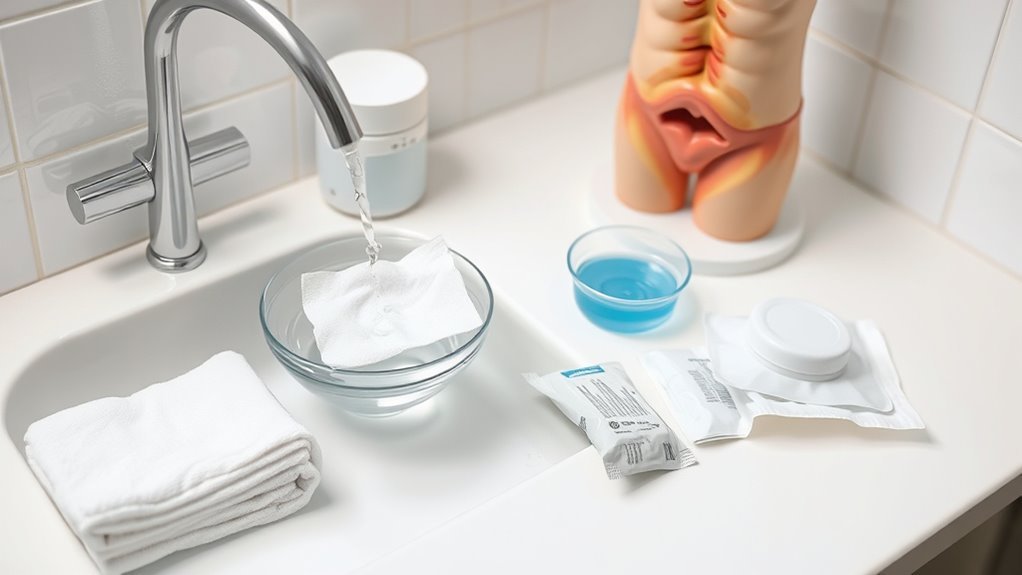
Clean the circumcision site gently with warm water after each diaper change, then pat it dry or let it air dry. Apply a thin layer of ointment only as directed, and keep the diaper loose enough to avoid pressure. Mild swelling, bruising, a yellow-white healing film, and a small amount of blood-tinged spotting can be normal at first. Call your doctor for fever, worsening redness, foul drainage, heavy bleeding, increasing pain, or trouble urinating.
Quick Answer
After circumcision, rinse the area gently with warm water, pat it dry, and apply petroleum jelly or prescribed ointment as directed. Avoid scrubbing, tight diapers, full soaking during the first 48 hours, and rough activity. Call your healthcare provider if bleeding, fever, foul drainage, or urination problems occur.
Key Takeaways
- Use warm water and gentle patting, not scrubbing, to clean the circumcision area.
- A little swelling, bruising, yellow-white coating, and light spotting can be part of normal healing.
- Petroleum jelly or prescribed ointment can reduce diaper friction and protect the healing skin.
- Avoid soaking, rough play, bikes, straddling toys, and pressure on the area until your provider says it is safe.
- Get medical help quickly for heavy bleeding, fever, foul smell, worsening redness, severe pain, or trouble passing urine.
At a Glance
| Time Required | A few minutes at each diaper change or daily cleaning |
| Difficulty | Easy, but it requires gentle handling and close observation |
| Tools Needed | Warm water, clean soft cloth or gauze, peribottle or squirt bottle, clean diapers, petroleum jelly or prescribed ointment |
| Cost | Usually low; most supplies are basic diaper-care items |
Warning: This guide is general education, not a replacement for medical care. Always follow the specific instructions from your baby’s clinician or surgeon, especially if your baby has a Plastibell, stitches, a dressing, or a health condition.
Circumcision Aftercare Basics
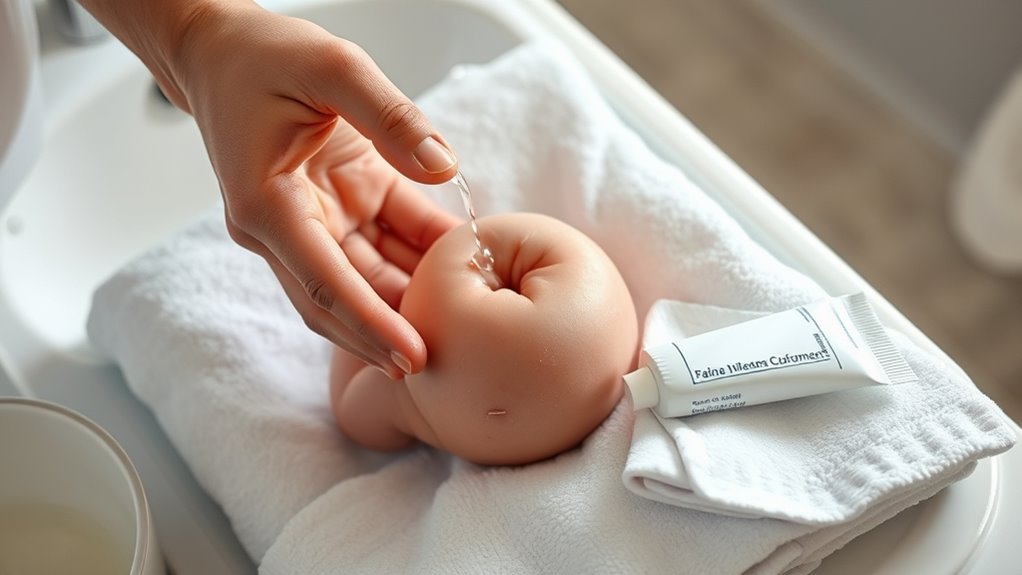
After circumcision, the main goals are simple: keep the area clean, reduce diaper friction, watch for warning signs, and let the skin heal without pulling or scrubbing. Most babies need gentle cleaning with warm water and a thin layer of petroleum jelly or prescribed ointment during diaper changes.
You do not need to scrub the incision. Instead, let warm water rinse away urine or stool, then pat the area dry with a clean, soft cloth or gauze. If your clinician recommended an ointment, use a thin layer only as directed.
In the first few days, mild swelling and bruising should slowly improve. You may also notice a yellow-white film on the tip or incision area. That can be part of normal healing and should not be wiped off aggressively.
Contact a healthcare provider promptly for persistent bleeding, foul-smelling drainage, increasing redness, worsening swelling, fever, or trouble urinating. With consistent care, you protect healing and lower the chance of irritation.
How to Clean the Circumcision Site Daily
You should gently clean the circumcision site after each diaper change with warm water, especially if stool gets near the area. A peribottle or clean squirt bottle can help rinse without rubbing.
After rinsing, pat the area dry with a clean cloth or let it air dry briefly. Then apply a thin layer of petroleum jelly or prescribed ointment if your clinician told you to use it.
Watch for irritation, discharge, unusual redness, or swelling that gets worse instead of better. If you notice these changes, contact your healthcare provider.
Daily Cleaning Routine
During each diaper change, gently rinse the circumcision site with warm water from a peribottle or squirt bottle. Avoid wipes directly on the incision unless your clinician says they are safe.
This daily cleaning routine helps you keep the site clean without adding friction or pain. After rinsing, pat the area with a clean, soft cloth or gauze to reduce irritation and support healing.
If your clinician recommends it, apply a thin layer of petroleum jelly, bacitracin, or another prescribed ointment around the healing area. Do not use powders, alcohol, hydrogen peroxide, or scented products unless your provider specifically instructs you to.
Continue this care every day until your clinician says the area has healed. If a Plastibell was used, follow the instructions you were given and keep the area clean until the ring falls off on its own.
Watch for a gradual drop in redness and swelling. A yellow-white coating can appear and may be normal healing tissue.
Consistent, gentle care supports recovery and helps you notice problems early.
Drying And Ointment
Once you’ve rinsed the circumcision site with warm water, gently pat the penis dry with a clean cloth or gauze. Do not rub the area, because friction can irritate healing skin.
This drying step helps prevent extra moisture from sitting against the skin. During diaper changes, use warm water to rinse away urine or stool, then dry the area again.
Apply a thin layer of ointment, such as petroleum jelly or bacitracin, only if your clinician advised it. Ointment can reduce friction between the diaper and the healing area.
Don’t scrub the incision; let soapy water run over it during baths after your provider says bathing is okay.
Watch for unusual drainage, increasing redness, swelling that worsens, or a bad smell, and contact your healthcare provider if any appear.
Careful drying and ointment use help you protect healing and maintain comfort.
Pro Tip: Fasten the diaper a little loosely during early healing. Less pressure can help reduce rubbing, especially if the tip looks tender or swollen.
What Normal Healing Looks Like
Normal healing after circumcision usually starts with mild swelling and bruising around the incision site. These should gradually improve over the first several days.
You may also see a whitish coating or yellowish film as part of the healing process. This can reflect normal tissue repair, not infection. Do not scrape it off.
A small amount of blood-tinged spotting can occur early on and should lessen with time. A few spots on the diaper can be normal, but active bleeding that soaks gauze or does not stop needs medical attention.
If stitches were used, they usually dissolve on their own. If a Plastibell was used, it usually falls off by itself as healing progresses. Do not pull on a Plastibell ring.
- Mild swelling fades
- Bruising lightens
- Spotting decreases
- Yellow-white coating appears without a foul smell
- Plastibell ring or stitches resolve as expected
These signs suggest the area is healing as expected, helping you move through recovery with less worry.
How Long Swelling and Bruising Last
Swelling and bruising are common after circumcision. They may look more noticeable during the first couple of days, then slowly improve.
After that, swelling often eases over the next several days. Bruising can take longer to fade. This timeline can vary depending on the child’s age, the circumcision method, and your provider’s instructions.
If swelling has not started to improve after the first week, or if it suddenly gets larger, you should contact your healthcare provider. You also need to report excessive bleeding, especially when it comes with swelling or pain.
A small amount of blood-tinged spotting can be expected, but increasing redness, new pain, spreading warmth, or a larger irritated area can signal infection or another complication.
Bathing Rules for the First Two Days
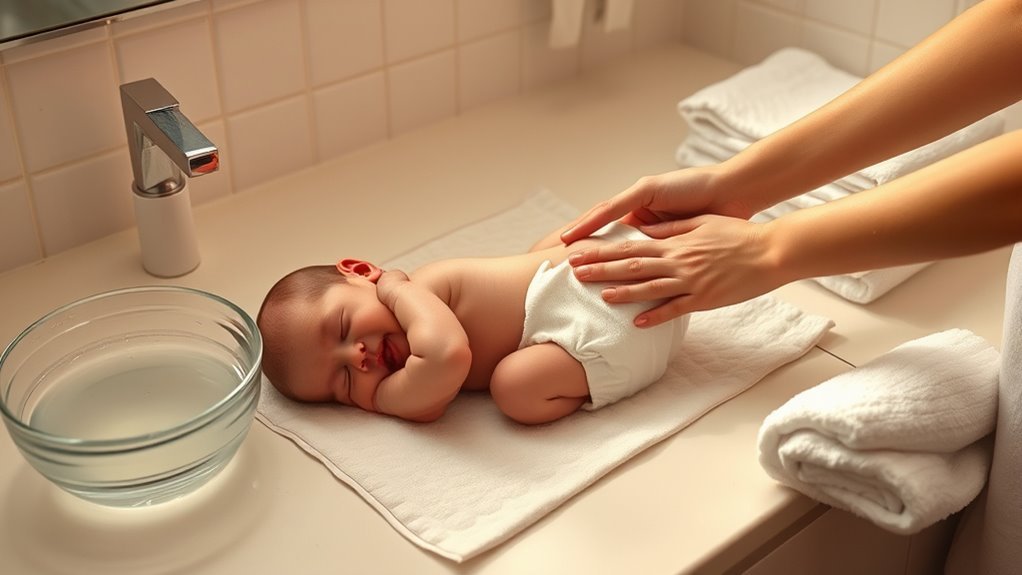
For the first two days after surgery, many clinicians recommend avoiding a full-body bath and using a sponge bath instead. Follow your provider’s exact instructions if they differ.
After that, you may be allowed to shower or bathe as usual. Let soapy water run over the incision without scrubbing.
Pat the area dry gently afterward to avoid irritation.
First Two Days
During the first 48 hours after circumcision, don’t give your baby a full bath unless your clinician says it is okay. Instead, use sponge baths to keep the surrounding skin clean without soaking the incision.
You protect healing by avoiding full submersion and by keeping cleansing brief, gentle, and controlled.
- Use a soft washcloth
- Clean only the surrounding skin
- Rinse with a small amount of warm water
- Pat dry, don’t rub
- Keep the incision free from scrubbing
After day two, your clinician may allow normal bathing. Let soapy water pass over the circumcision site without friction. Daily cleansing supports comfort and lowers irritation.
If a Plastibell is present, keep it clean and do not pull on it. Avoid full baths if the umbilical cord is still attached unless your baby’s clinician gives different advice.
Sponge Bath Option
If you need to clean your baby in the first 48 hours, use a sponge bath rather than a full-body bath. This option lets you wash the skin gently without soaking the incision.
Use a clean sponge or soft cloth moistened with warm water, and move with calm, light strokes. Keep the incision site dry and untouched as much as possible to reduce irritation and support healing.
You don’t need to scrub; light cleaning is enough. If stool reaches the circumcision area, rinse it away gently with warm water instead of rubbing.
After the second day, routine bathing may resume if allowed by your clinician, but still avoid direct scrubbing of the healing area and pat it dry gently.
Shower After Day Two
After day two, you may be able to bathe your baby normally, but don’t scrub the incision site. Instead, let soapy water run over it and then gently pat the area dry to prevent irritation.
- Use gentle water flow over the area.
- Avoid rubbing or direct scrubbing.
- Pat dry with a clean towel or gauze.
- Bathe as directed until the Plastibell falls off or the area heals.
- If a bandage remains, soaking may help loosen it only if your clinician advised removal this way.
Before day two, limit care to sponge baths unless your doctor gives different instructions.
Afterward, consistent cleaning supports healing and helps you protect your baby with confidence. Watch for normal recovery, and keep the site clean each bath or shower.
How to Care for the Bandage
A wrap-around dressing may be placed on the penis after surgery to protect the incision site. Some circumcisions do not use the same type of bandage, so follow the instructions you were given before leaving the clinic or hospital.
If the bandage slips off early, call your provider if you are unsure what to do. Do not force a tight dressing back on, because pressure can irritate the area.
If you were told to remove the bandage on the second day, gentle soaking during a bath or shower may help loosen it. Never pull hard on a dressing that seems stuck.
A stuck bandage should be loosened gently, not pulled. If it will not come off easily, contact your healthcare provider for guidance.
After bathing, pat the incision dry with a clean towel or gauze. Don’t scrub, because friction can irritate tissue and slow healing.
Then apply a thin layer of petroleum jelly or prescribed ointment around the healing area if instructed. This can support healing by reducing diaper friction.
Keep your care routine calm, direct, and consistent, so you can move through recovery with confidence.
Plastibell Care If Used
If your baby had a Plastibell circumcision, a small plastic ring remains on the penis after the procedure. The ring should fall off on its own. Do not pull, twist, or try to remove it at home.
Keep the area clean with warm water during diaper changes. Apply ointment only if your provider told you to, because instructions can differ by method.
Call your healthcare provider if the ring slides down the shaft, seems stuck for longer than expected, causes severe swelling, or if your baby has trouble urinating.
Note: Plastibell timing varies. Many rings fall off within about 5 to 14 days, but your provider’s instructions should guide what is normal for your baby.
How to Relieve Circumcision Pain
Pain after circumcision is usually manageable, but medicine choices and doses depend on your baby’s age, weight, health history, and provider instructions.
Use only the pain medicine your clinician recommends. Many babies are given acetaminophen when appropriate, but dosing must be based on the child’s weight and the product label or provider instructions.
Do not give ibuprofen to a young baby unless your clinician says it is safe. Do not use aspirin in children unless a doctor specifically prescribes it.
- Track comfort level during diaper changes and feeding.
- Use only one acetaminophen-containing product at a time.
- Combine medicine with holding, feeding, rest, and calm reassurance.
- Follow all dosing intervals precisely.
- Contact your healthcare provider if pain stays strong or suddenly worsens.
If pain does not ease with recommended care, report it for evaluation.
Your baby deserves relief, and careful monitoring helps you respond quickly while healing continues.
Diapering After Circumcision
Diapering matters because the diaper sits close to the healing area all day. Change diapers often so urine and stool do not irritate the incision.
Fasten the diaper loosely enough to avoid pressure, but not so loose that it leaks. If your provider recommended petroleum jelly, apply a thin layer to the tip or to gauze as directed before closing the diaper.
If stool gets on the circumcision area, rinse with warm water from a squirt bottle or peribottle. Pat dry gently and avoid scented wipes directly on the healing skin.
Activities to Avoid During Healing
During healing, you should avoid rough play and active sports for at least two weeks, or longer if your healthcare provider recommends it. These activities can strain the incision and cause oozing.
You should also avoid straddling activities, including riding bicycles, tricycles, or similar toys, for about three weeks to support proper healing.
If you notice discomfort or any unusual symptoms, stop the activity, let your child rest, and contact your healthcare provider.
Avoid Rough Play
For the first two weeks after circumcision, keep your child away from rough play and active sports to reduce the risk of oozing or other incision complications.
After surgery, you should avoid rough play and let healing lead.
- Choose quiet, normal activities.
- Monitor movement closely each day.
- Stop play if your child seems sore.
- Reintroduce active play only when your provider says it’s safe.
- Call the healthcare provider if you notice discomfort, bleeding, or swelling.
This approach protects the incision while supporting steady recovery.
You’re not limiting freedom; you’re preventing setbacks.
With calm, age-appropriate activity, most children heal well and return to full play without avoidable problems.
Limit Straddling Activities
Avoid straddling activities, such as riding bicycles, tricycles, ride-on toys, or similar toys, for at least three weeks after surgery unless your clinician gives a different timeline.
These straddling activities can press on the healing area, increase discomfort, and delay recovery.
For the first two weeks, you should also avoid rough or active sports, because they can trigger oozing and strain the incision.
Watch your child’s movement closely; too much activity may cause pain and interfere with healing.
After the initial recovery period, you can gradually resume normal play if your child feels comfortable and pain-free.
If you notice swelling, bleeding, or increased tenderness, contact your healthcare provider promptly.
Clear limits now help support a smoother return to activity.
What Not to Use on the Healing Area
Gentle care is usually better than adding extra products. Unless your clinician tells you otherwise, avoid anything that can sting, dry the skin, or leave irritating residue.
- Do not scrub the incision.
- Do not use alcohol, hydrogen peroxide, or antiseptic sprays unless prescribed.
- Do not use powders, cornstarch, or scented creams on the healing area.
- Do not pull on stitches, scabs, healing tissue, or a Plastibell ring.
- Do not use tight diapers or clothing that rubs the penis.
If you are unsure whether a product is safe, skip it and call your healthcare provider.
When to Call the Doctor
You should contact the doctor right away if the incision keeps bleeding or oozing and won’t stop, or if you notice increased swelling, spreading redness, or foul-smelling drainage. Knowing when to call the doctor helps you protect healing and stay in control.
Seek help promptly for any of the following:
- fever, especially in a newborn
- no wet diaper or difficulty urinating after surgery
- bleeding that is more than a few spots or does not stop with gentle pressure as instructed
- increasing pain around the incision
- worsening redness, warmth, or swelling
- unusual discharge, pus, or bad odor
- blue, black, or very pale color changes
- loose stitches, a displaced Plastibell, or concerns about healing
These signs can point to infection, circulation problems, bleeding, or another healing problem that needs medical review. Don’t wait for symptoms to improve on their own.
Call a healthcare provider as soon as you notice concerning changes, and follow their guidance on next steps. Early action reduces complications and supports a smoother recovery.
You deserve clear answers and timely care, so trust your observations and speak up whenever something doesn’t look or feel right.
When to Schedule the Follow-Up Visit
Schedule the follow-up visit when your healthcare provider recommends it. Some babies may not need a special circumcision-only visit, while others may be checked within days or weeks depending on the method, age, and healing progress.
At this follow-up visit, your provider will examine the incision site for proper closure, expected recovery, and any signs of complications. This appointment helps confirm that healing is progressing as it should and gives you space to discuss pain, swelling, diapering, or bathing questions.
Your provider should check the incision site if healing seems delayed, symptoms worsen, or you are unsure whether what you see is normal.
Keep the contact information for your child’s healthcare provider or pediatric urology team close at hand in case you need support before the scheduled visit.
If you notice increased swelling, persistent pain, fever, drainage, or urination problems, contact your healthcare provider right away instead of waiting.
Regular follow-ups help protect your child’s health and keep recovery on track. You deserve clear, timely care, and this visit supports that by making sure healing stays steady, safe, and well monitored.
Frequently Asked Questions
How often should I clean after a circumcision?
Clean the area gently at each diaper change, especially if stool is present. Use warm water, pat dry, and apply ointment only as directed. Daily bathing may resume when your provider says it is safe.
Do I have to shower every day after circumcision?
Not always. During the first 48 hours, many babies should have sponge baths instead of full baths. After that, bathing or showering may be allowed, but you should let water run gently over the area and avoid scrubbing.
How do I clean a poopy diaper after circumcision?
Use warm water from a peribottle or squirt bottle to rinse stool away gently. Pat dry with clean gauze or a soft cloth. Avoid scrubbing and avoid scented wipes directly on the healing area.
How do I maintain hygiene after circumcision?
Keep hygiene simple. Rinse with warm water, pat dry, use petroleum jelly or prescribed ointment if directed, and change diapers often. Watch for redness, bad odor, swelling, drainage, or trouble urinating.
Is yellow or white coating normal after circumcision?
A yellow-white film can be part of normal healing and should not be scraped off. Call your healthcare provider if it comes with worsening redness, swelling, pus, foul smell, fever, or increasing pain.
When should a baby pee after circumcision?
Follow your provider’s discharge instructions for timing. If your baby has not had a wet diaper within the time your clinician gave you, or if urination seems painful or blocked, call your healthcare provider right away.
Conclusion
By following these simple steps, you’ll support safe, steady healing after circumcision. Clean the site gently, keep diaper friction low, watch for normal swelling, and protect the area from pressure, pulling, and rough play. Use only recommended pain relief, and keep baths gentle at first. If you notice heavy bleeding, fever, foul drainage, worsening redness, severe pain, or trouble urinating, call the doctor right away. With calm, careful daily care, you’ll help the wound heal well and keep recovery smoother.
Sources
- MedlinePlus — circumcision care and warning signs after the procedure
- HealthyChildren.org from the American Academy of Pediatrics — general circumcision information for parents
- Seattle Children’s — circumcision healing concerns and when to call a doctor