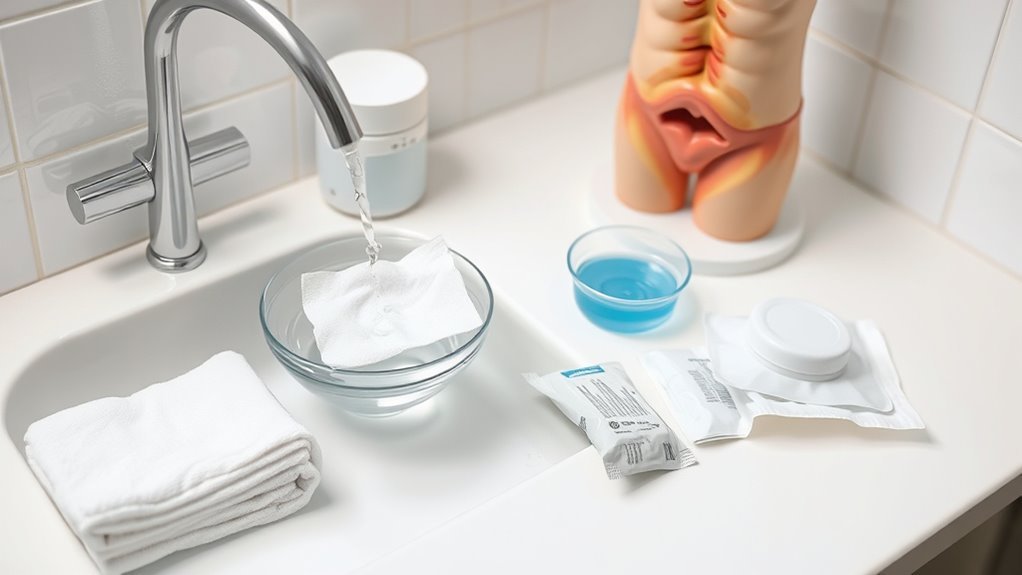
Clean the circumcision site gently with warm water after each diaper change, then pat it dry or let it air dry. Apply a thin layer of ointment as directed and keep the area clean and dry. Mild swelling, bruising, whitish coating, and a small amount of blood-tinged drainage are normal at first. Call your doctor for fever, worsening redness, swelling, foul drainage, bleeding, or trouble urinating, and you’ll see what else to watch for.
Circumcision Aftercare Basics
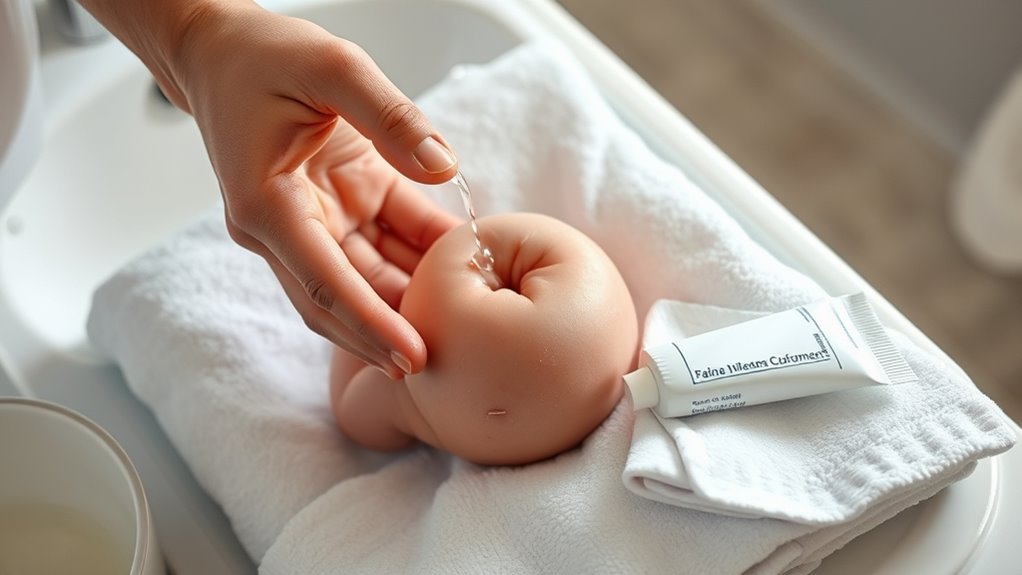
After circumcision, you should clean the site once daily with a gentle rinse of warm water to help keep debris away and support healing. You don’t need to scrub; instead, let mild soapy water flow over the incision, then pat it dry with a clean towel.
This circumcision aftercare routine supports comfort and reduces irritation. Apply antibiotic ointment around the sutures several times daily if your clinician advised it, since this can help prevent infection and support tissue repair.
In the first few days, you should see swelling and bruising ease as healing progresses. Watch the area closely, and trust your judgment if something feels off.
Contact a healthcare provider promptly for persistent bleeding, foul-smelling drainage, or increasing redness. With consistent care, you protect your body’s recovery and maintain the freedom to heal with confidence.
How to Clean the Circumcision Site Daily
You should gently clean the circumcision site after each diaper change with a peribottle or squirt bottle of warm water, and you shouldn’t scrub the incision.
After rinsing, pat the area dry with a clean cloth or let it air dry, then apply a thin layer of antibiotic ointment such as bacitracin around the sutures as directed.
Watch for irritation, discharge, or unusual redness, and contact your healthcare provider if you notice any of these changes.
Daily Cleaning Routine
During each diaper change, gently rinse the circumcision site with warm water from a peribottle or squirt bottle, taking care not to scrub the area.
This daily cleaning routine helps you keep the site clean without adding friction or pain. After rinsing, you can pat the area with a clean, soft cloth or gauze to reduce irritation and support healing.
If your clinician recommends it, apply a thin layer of bacitracin or Vaseline around the incision.
Continue this care every day for the first week, or until the Plastibell falls off.
Watch for a gradual drop in redness and swelling; a whitish coating can appear and is normal.
Consistent, gentle care supports recovery and helps you stay in control.
Drying And Ointment
Once you’ve rinsed the circumcision site with warm water, gently pat the penis dry with a clean cloth to remove moisture and reduce irritation.
This drying step helps prevent skin maceration and supports healing. Keep the area clean during diaper changes by using a peribottle or squirt bottle with warm water, then dry it again.
Apply a thin layer of ointment, such as bacitracin, around the sutures several times daily to reduce friction and lower infection risk.
Don’t scrub the incision; let soapy water run over it during baths.
Watch for unusual drainage or increasing redness, and contact your healthcare provider if either appears.
Careful drying and ointment use help you protect healing and maintain comfort.
What Normal Healing Looks Like
Normal healing after circumcision usually starts with mild swelling and bruising around the incision site, and both should gradually improve over the first few days.
You may also see a whitish coating or yellowish slime as part of the healing process; this usually reflects normal tissue regeneration, not infection. A small amount of blood-tinged drainage can occur early on and should lessen with time.
If you’d stitches, they’ll dissolve on their own in about two months, so you won’t need removal. If a Plastibell was used, it typically falls off within 7 to 14 days when recovery is on track.
- Mild swelling fades
- Bruising lightens
- Drainage decreases
- Coating appears normal
- Devices or stitches resolve
These signs show your body is healing as expected, helping you move through recovery with confidence and less worry.
How Long Swelling and Bruising Last
Swelling and bruising are common after circumcision, and they usually peak within the first two days after surgery.
After that, you should see swelling ease over the next 5 to 7 days. Bruising can linger longer, often fading completely within two weeks. This timeline is normal and lets you track recovery without guessing.
If swelling hasn’t started to improve after the first week, or if it suddenly gets larger, you should contact your healthcare provider. You also need to report excessive bleeding, especially when it comes with swelling.
A small amount of blood-tinged drainage can be expected, but increasing redness, new pain, or a larger incision area can signal infection or another complication.
Bathing Rules for the First Two Days
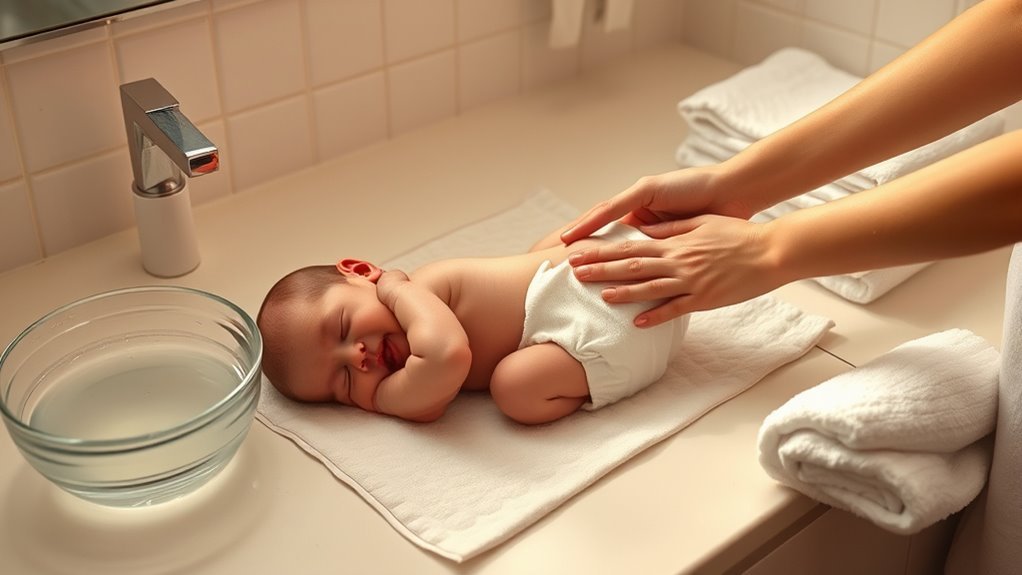
For the first two days after surgery, you shouldn’t take a full-body bath; a sponge bath is the preferred option.
After that, you can shower or bathe as usual, and you should let soapy water run over the incision without scrubbing.
Pat the area dry gently afterward to avoid irritation.
First Two Days
During the first 48 hours after circumcision, don’t give your baby a full bath; instead, use sponge baths to keep the area clean without soaking the incision. You protect healing by avoiding full submersion and by keeping cleansing brief, gentle, and controlled.
- Use a soft washcloth
- Clean only the surrounding skin
- Rinse with a cup
- Pat dry, don’t rub
- Keep the incision free from scrubbing
After day two, you can bathe your baby normally, and let soapy water pass over the circumcision site without friction. Daily cleansing supports comfort and lowers irritation.
If a Plastibell is present, keep it clean until it falls off. Avoid full baths if the umbilical cord is still attached.
Sponge Bath Option
If you need to clean your baby in the first 48 hours, use a sponge bath rather than a full-body bath. This sponge option lets you wash the skin gently without soaking the incision.
Use a clean sponge or soft cloth moistened with warm water, and move with calm, deliberate strokes. Keep the incision site dry and untouched to reduce irritation and support healing.
You don’t need to scrub; light cleaning is enough. This approach respects your baby’s recovery and gives you a safe, practical bath choice during this brief period.
After the second day, routine bathing can resume, but still avoid direct scrubbing of the healing area and pat it dry gently.
Shower After Day Two
After day two, you can bathe your baby normally, but don’t scrub the incision site; instead, let soapy water run over it and then gently pat the area dry to prevent irritation. A shower is appropriate now, and you can keep care simple.
- Use plain water flow over the area.
- Avoid rubbing or direct scrubbing.
- Pat dry with a clean towel.
- Bathe daily until the Plastibell falls off.
- If the bandage remains, shower soaking may ease removal.
Before day two, limit care to sponge baths.
Afterward, consistent cleaning supports healing and helps you protect your baby with confidence and freedom. Watch for normal recovery, and keep the site clean each shower.
How to Care for the Bandage
A wrap-around dressing is typically placed on the penis after surgery to protect the incision site. You should treat this bandage as a temporary barrier, not something you need to guard anxiously.
If it slips off before day two, that’s usually not a major concern; you can gently remove it during bathing instead of forcing it back on.
On the second day, take off the bandage and soak the area in the bath or shower to loosen residue and simplify cleaning.
On the second day, remove the bandage and soak gently in the bath or shower to loosen residue and ease cleaning.
After bathing, pat the incision dry with a clean towel or gauze; don’t scrub, because friction can irritate tissue and slow healing.
Then apply a thin layer of Vaseline or bacitracin around the sutures several times a day to support healing and lower infection risk.
Keep your care routine calm, direct, and consistent, so you can move through recovery with confidence and bodily autonomy.
How to Relieve Circumcision Pain
Pain after circumcision is usually manageable with regular use of over-the-counter medication, and you can take acetaminophen (Tylenol) every 4 to 6 hours as needed for discomfort.
You can also use ibuprofen (Motrin) every 6 to 8 hours for 3 to 4 days if it’s appropriate for you. If your clinician prescribed Tylenol with codeine, follow the bottle instructions exactly.
- Track your pain level several times daily.
- Use only one acetaminophen-containing product at a time.
- Combine medicine with rest and calm reassurance.
- Follow all dosing intervals precisely.
- Contact your healthcare provider if pain stays strong.
If your pain doesn’t ease with medication, report it for evaluation.
You deserve relief, and careful monitoring helps you stay in control while healing.
Activities to Avoid During Healing
During healing, you should avoid rough play and active sports for at least two weeks, since these can strain the incision and cause oozing.
You should also avoid straddling activities, including riding bicycles or tricycles, for about three weeks to support proper healing.
If you notice discomfort or any unusual symptoms, rest and contact your healthcare provider.
Avoid Rough Play
For the first two weeks after circumcision, keep your child away from rough play and active sports to reduce the risk of oozing or other incision complications.
After surgery, you should avoid rough play and let healing lead.
- Choose quiet, normal activities.
- Monitor movement closely each day.
- Stop play if your child seems sore.
- Reintroduce active play only when your provider says it’s safe.
- Call the healthcare provider if you notice discomfort, bleeding, or swelling.
This approach protects the incision while supporting steady recovery.
You’re not limiting freedom; you’re preserving it by preventing setbacks.
With calm, age-appropriate activity, most children heal well and return to full play without avoidable problems.
Limit Straddling Activities
Avoid straddling activities, such as riding bicycles, tricycles, or similar toys, for at least three weeks after surgery to help protect the incision and reduce irritation.
These straddling activities can press on the healing area, increase discomfort, and delay recovery.
For the first two weeks, you should also avoid rough or active sports, because they can trigger oozing and strain the incision.
Watch your child’s movement closely; too much activity may cause pain and interfere with healing.
After the initial recovery period, you can gradually resume normal play if your child feels comfortable and pain-free.
If you notice swelling, bleeding, or increased tenderness, contact your healthcare provider promptly.
Clear limits now help support a smoother, freer return to activity.
When to Call the Doctor
You should contact the doctor right away if the incision keeps bleeding or oozing and won’t stop, or if you notice increased swelling, redness, or foul-smelling drainage. Knowing when to call the doctor helps you protect healing and stay in control.
Seek help promptly for any of the following:
- fever over 100.5°F
- difficulty urinating after surgery
- increasing pain around the incision
- unusual discharge or odor
- loose stitches or concerns about healing
These signs can point to infection or a healing problem that needs medical review. Don’t wait for symptoms to improve on their own.
Call a healthcare provider as soon as you notice changes, and follow their guidance on next steps. Early action reduces complications and supports a smoother recovery.
You deserve clear answers and timely care, so trust your observations and speak up whenever something doesn’t look or feel right.
When to Schedule the Follow-Up Visit
Schedule the follow-up visit about four weeks after the circumcision so your healthcare provider can check healing and address any concerns.
At this follow-up visit, your provider will examine the incision site for proper closure, expected recovery, and any signs of complications. This appointment helps confirm that healing is progressing as it should and gives you space to discuss pain, swelling, or other issues without delay.
Your provider will check the incision site for proper healing and any signs of complications.
Keep the contact information for Pediatric Urology close at hand in case you need support before the scheduled visit. If you notice increased swelling, persistent pain, fever, or drainage, contact your healthcare provider right away instead of waiting.
Regular follow-ups help protect your health and keep your recovery on track. You deserve clear, timely care, and this visit supports that freedom by making sure your healing stays steady, safe, and well monitored.
Frequently Asked Questions
How Often Should I Clean After a Circumcision?
You should clean it at every diaper change and once daily with a bath or soapy water. This Cleaning Frequency keeps the site clean, supports healing, and helps you notice redness or drainage early.
Do I Have to Shower Every Day After Circumcision?
Not necessarily; you don’t have to shower every day, but daily showers after day two often support Healing Frequency. You can let water run gently over the incision, pat dry, and watch for redness or discharge.
How to Clean Poopy Diaper After Circumcision?
Use a peribottle with warm water to rinse poop away during Diaper Care, then pat dry gently. Don’t scrub or use scented wipes. Apply prescribed ointment, and call your clinician if redness or discharge increases.
How to Maintain Hygiene After Circumcision?
You keep hygiene simple: rinse the area with warm water, use gentle Hygiene Products only if prescribed, pat dry, and apply ointment. Because nothing says liberation like meticulous care, you’ll also watch for redness, odor, or swelling.
Conclusion
By following these simple steps, you’ll support safe, steady healing after circumcision. Clean the site gently, watch for normal swelling, and protect the area from pressure, pulling, and rough play. Use recommended pain relief, and keep baths brief at first. If you notice heavy bleeding, fever, or worsening redness, call the doctor right away. With calm, careful daily care, you’ll help the wound heal well and the recovery stay smooth.
