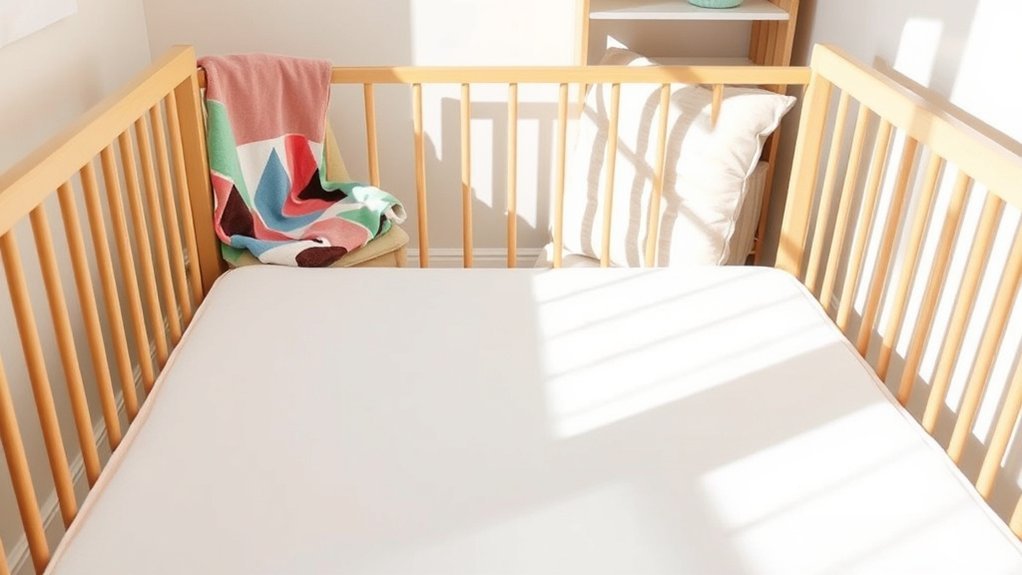
Your child’s sleep environment should be safe and secure. The blankets and pillows you choose can have a real impact on their well-being. Prioritizing natural materials, correct sizing, and regular inspections matters more than most parents realize. Knowing the key do’s and don’ts is the first step toward a safer, more peaceful sleep space.
Quick Answer
- Choose natural, hypoallergenic materials like organic cotton or bamboo, and look for OEKO-TEX or GOTS certifications.
- Never use pillows or loose blankets with infants under 12 months. Use age-appropriate sizes for older children.
- Wash bedding regularly, store it properly, and check it often for fraying, stains, or odors.
- Keep the sleep area clutter-free and avoid oversized or overly heavy bedding that can cause overheating or suffocation.
Understanding the Importance of Blanket and Pillow Safety
Creating a safe sleeping environment starts with understanding blanket and pillow safety. Your choices directly affect your child’s comfort and well-being during sleep.
Make sure blankets and pillows are free from harmful materials that could pose risks, especially for young children. Keep bedding clean and well-maintained, since allergens in fabrics can disrupt sleep quality.
Ensure your blankets and pillows are safe and allergen-free to promote a restful night’s sleep.
Avoid oversized pillows that can cause neck strain or obstruct airflow. Be cautious with decorative pillows too — they may not be safety-tested for actual sleep use.
Inspect your bedding regularly for wear and tear, and replace anything that shows signs of damage. These steps help create a sleep space that’s genuinely restful and safe.
Choosing Safe Materials for Blankets and Pillows
The materials in your child’s bedding matter more than most people think.
Prioritize natural fibers like organic cotton, bamboo, or wool. These are less likely to irritate skin and are typically free from harmful chemicals.
Avoid synthetic materials where possible. Some synthetics can emit volatile organic compounds (VOCs), which are airborne chemicals that may contribute to allergies or irritation in sensitive individuals.
Look for certifications like OEKO-TEX Standard 100 or GOTS (Global Organic Textile Standard). These indicate that products have been tested and verified to be free from harmful substances.
For pillow filling, choose hypoallergenic options like latex or organic cotton. Always check labels, and ask the manufacturer if you have questions about specific materials.
The Right Size: Ensuring Comfort and Safety
Choosing the right size for blankets and pillows is essential, especially for children. Age-appropriate dimensions can prevent suffocation hazards and keep kids comfortable during sleep.
Avoid excessive bulk, which can lead to overheating and restrict movement.
Choosing Appropriate Dimensions
A blanket should be large enough to cover your child without dragging on the floor, which can be a tripping hazard.
For pillows, choose a size that supports the neck and head properly and promotes healthy spinal alignment during sleep. Oversized pillows create discomfort; undersized ones don’t offer enough support. Match the pillow width to the bed or sleeping area to keep things tidy and functional.
Age-Appropriate Sizes
Children’s needs change as they grow, so it’s worth revisiting bedding choices at each stage.
For infants, use smaller, lightweight blankets that won’t pose suffocation risks. Toddlers moving to a toddler bed can use pillow sizes that support their developing necks without excessive loft.
School-age children can generally use standard-sized pillows, which provide adequate support for growing bodies. Oversized items at any age can lead to entrapment hazards. Always prioritize breathable fabrics to help regulate temperature and keep sleep comfortable.
Avoiding Excessive Bulk
Overly thick pillows or heavy blankets can create real risks, including suffocation and overheating. Here’s a quick reference for size guidelines:
| Item | Recommended Size | Notes |
|---|---|---|
| Pillow | 18″ x 24″ | Firmness matters |
| Blanket | Twin size (66″ x 90″) | Lightweight options preferred |
| Mattress | Standard crib size (28″ x 52″) | Ensure a snug fit |
| Comforter | Full size (80″ x 90″) | Avoid heavy materials |
| Sleeping Bag | Child size (30″ x 66″) | Look for breathable fabric |
Keep bedding simple and appropriately sized — your child will sleep better for it.
Proper Cleaning and Maintenance Practices
Proper cleaning and storage keep bedding safe and in good condition. Follow the right washing guidelines to prevent damage, store items correctly to preserve their shape and hygiene, and address wear and tear promptly to extend their lifespan.
Washing Guidelines
Always check the care labels first. They provide specific instructions for each item.
Use a gentle cycle with cold water to preserve fabric integrity. Avoid bleach, which weakens fibers. Some pillows aren’t machine washable and may need spot cleaning instead.
Dry everything thoroughly on a low heat setting to prevent mold and mildew. Adding dryer balls helps maintain fluffiness.
Storing Techniques
Storing blankets and pillows properly extends their life and keeps them clean and fresh between uses.
| Action | Frequency | Tips |
|---|---|---|
| Wash before storage | Every season | Use mild detergent |
| Use breathable bags | Each storage period | Avoid plastic bags |
| Store in a cool, dry place | Ongoing | Prevent moisture buildup |
| Check regularly | Monthly | Inspect for pests |
Repair Tips
Regular maintenance can significantly extend the life of your bedding. Start by checking care labels for washing instructions.
Use a gentle cycle with cold water and mild detergent. Avoid bleach, which degrades fabric fibers over time.
Fluff pillows regularly and plan to replace them every couple of years for the best support and hygiene. Treat stains promptly with a fabric-safe stain remover. When drying, use low heat and add dryer balls to maintain fluffiness. Always make sure items are fully dry before storing to prevent mold growth.
Age-Specific Guidelines for Blanket and Pillow Use
Safety needs shift as children grow. Here’s what to keep in mind at each stage:
- Infants (0–12 months): Avoid pillows and heavy blankets entirely. Loose bedding is a leading suffocation risk for this age group. See the AAP safe sleep guidelines for full recommendations.
- Toddlers (1–3 years): Introduce lightweight, breathable blankets and small pillows, making sure they’re securely tucked in.
- Preschoolers (3–5 years): A child-sized pillow and a blanket that allows free movement work well. Avoid anything too bulky.
- School-age (5+ years): Standard bedding is generally fine. Choose based on comfort and personal preference while keeping basic safety standards in mind.
Avoiding Common Hazards in Bedding
Comfortable bedding and safe bedding aren’t always the same thing. Being aware of common hazards can make a real difference.
Avoid oversized blankets or pillows that can pose suffocation risks. Choose breathable materials to reduce overheating, especially for infants.
Check regularly for loose threads or broken zippers, which can become choking hazards. Wash bedding frequently to keep allergens like dust mites and mold under control.
Decorative items may look appealing but can become hazards during sleep. Keep the crib or bed clutter-free to prevent accidental falls or entanglement.
Recognizing Signs of Wear and Tear
Bedding can look fine at a glance but still need replacing. Inspect regularly for these signs:
- Fraying Edges: Loose threads or fabric unraveling around seams.
- Stains: Persistent stains can indicate moisture retention, which may lead to mold or mildew.
- Odors: Unpleasant smells are often a sign of hidden bacteria or mold growth.
- Lumps or Bumps: Pillows that have lost their shape can no longer provide adequate support.
Creating a Safe Sleep Environment
Inspecting bedding for wear and tear is just one part of a safe sleep setup.
Choose hypoallergenic materials to minimize allergy triggers, and avoid heavy blankets that can cause overheating. Keep pillows and blankets free from loose strings or small parts that could pose choking hazards, especially for young children.
Keep the sleep area clutter-free to reduce the risk of accidents. A comfortable room temperature, ideally between 60–67°F, supports restful sleep for most people.
A mattress protector is also worth considering to guard against spills and allergens. These small steps add up to a sleep space that’s genuinely safe and restorative.
Frequently Asked Questions
Can I Use Second-Hand Blankets and Pillows Safely?
Yes, but inspect them thoroughly for stains, odors, or damage before use. Wash them well and consider adding pillow protectors to maintain cleanliness and safety.
What Materials Should I Avoid for Allergy Sufferers?
Avoid down feathers, wool, and synthetic fabrics that tend to trap allergens. Hypoallergenic options like organic cotton or bamboo are generally safer choices for people with allergies.
How Often Should I Replace My Pillows?
Most pillows should be replaced every one to two years. Over time, they accumulate dust mites and allergens that can affect both sleep quality and health.
Are Weighted Blankets Safe for Children?
Weighted blankets can be appropriate for some children, but make sure the weight is suitable for your child’s size and body weight. Always supervise use, and check with a pediatrician if you’re unsure whether one is right for your child.
Can Pets Share My Blankets and Pillows?
Pets can share bedding, but their fur and dander may trigger allergies, and accidents can happen. Washing bedding more frequently helps maintain hygiene and keeps the sleep space comfortable for everyone.
Conclusion
Blanket and pillow safety isn’t optional — it’s a core part of protecting your child’s well-being. Selecting natural materials, choosing the right sizes, and keeping bedding clean all contribute to a safer sleep environment. Watch for wear and tear, follow age-specific guidelines, and keep things simple. After all, an ounce of prevention is worth a pound of cure.

