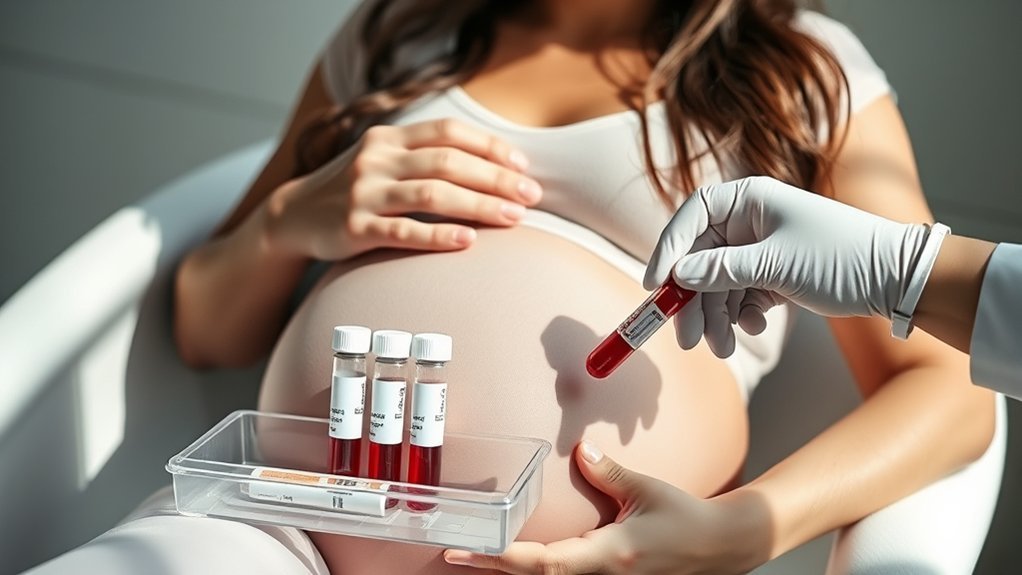
What Does a Positive Antibody Screen Mean?
What’s in This Article
- What Does a Positive Antibody Screen Mean?
- Why Blood Type Matters in Pregnancy
- What Causes a Positive Antibody Screen?
- Is Your Baby at Risk for Anemia?
- How Doctors Monitor Antibodies During Pregnancy
- What Happens If Your Baby Develops Anemia?
- What It Means for Future Pregnancies
- Frequently Asked Questions
- Conclusion
A positive antibody screen in pregnancy means your blood has antibodies that may cross the placenta and target your baby’s red blood cells. This can happen after a prior pregnancy, blood transfusion, or another blood-mixing event. Your care team will identify the antibody, check your baby’s risk, and monitor you with repeat blood tests and ultrasound. With close follow-up, many pregnancies continue safely.
Quick Answer
A positive antibody screen means your immune system has made antibodies against certain red blood cell markers. Some antibodies can affect your baby, so your care team will identify the type and monitor the pregnancy more closely. A positive result does not always mean your baby has a problem.
Key Takeaways
- A positive antibody screen shows that your blood has antibodies against red blood cell markers.
- Some antibodies can cross the placenta and raise the risk of fetal anemia.
- Your care team will identify the antibody and check whether your baby could be affected.
- Repeat blood tests and Doppler ultrasound can help your team watch for anemia.
- Fast follow-up gives you more options if your baby needs treatment.
What Does a Positive Antibody Screen Mean?

A positive antibody screen means your blood contains antibodies that may attack your baby’s red blood cells. In some pregnancies, this can increase the risk of hemolytic disease of the fetus and newborn (HDFN).
This positive test doesn’t mean harm will happen. It means your prenatal testing needs closer follow-up. Your immune system may have made these antibodies after a prior pregnancy, blood transfusion, or another exposure.
These antibodies can cross the placenta and, in some cases, cause fetal anemia. Your healthcare team may order more blood tests, including an Rh factor blood test and tests that identify the exact antibodies.
Your team may also use ultrasounds and Doppler studies to monitor your baby’s health.
Your care team may order more blood tests and ultrasounds to monitor your baby’s health closely.
Understanding the causes of antibody formation can help you understand your test results and the next steps. If significant anemia develops, treatment such as intrauterine transfusion may help. You deserve clear information and timely care, and monitoring helps support that goal.
Why Blood Type Matters in Pregnancy
Your blood type, including the Rh factor, helps your care team assess blood compatibility during pregnancy. This matters because your blood and your baby’s blood may carry different red blood cell markers.
If you’re Rh-negative and your baby is Rh-positive, your body can make antibodies that may affect the baby’s red blood cells. Prenatal testing helps your care team catch this risk early.
Knowing your blood type and antibody status lets your team monitor you closely. It also helps reduce the risk of complications like hemolytic disease of the fetus and newborn. Understanding Rh incompatibility can also guide your treatment options during pregnancy.
Blood Type Basics
Blood type plays a key role in pregnancy care because it helps predict compatibility. Your blood type, A, B, AB, or O, and your Rh factor, positive or negative, give your team useful health information.
During pregnancy, your prenatal tests usually include blood type and antibody testing. These tests show whether you’re Rh-negative or Rh-positive and whether your immune system has made antibodies.
- A wristband labeled with your blood type
- A lab vial marked for antibody testing
- A prenatal chart showing Rh factor
- A calm clinician reviewing results with you
Knowing both parents’ blood types may help your team assess compatibility. It also supports timely care that protects you and your baby.
Rh Factor Risks
If you’re Rh-negative, your pregnancy care team pays close attention to Rh factor. It can matter when your baby is Rh-positive.
Rh status tells you whether your blood carries the Rh marker. A screening test checks for antibody development early in pregnancy and often again around 28 weeks.
If a small amount of your baby’s blood enters your bloodstream, your immune system may recognize Rh-positive cells and make antibodies. That can raise the risk of hemolytic disease in later pregnancies.
Rh-negative status affects a smaller share of pregnant people, but this monitoring remains routine. If needed, Rh immune globulin helps prevent sensitization and protects future pregnancies.
Note: Rh immune globulin helps prevent anti-D antibodies, but it does not treat antibodies that have already formed.
Antibodies and Pregnancy
Antibodies matter in pregnancy because blood type differences can sometimes trigger an immune response. If you’re Rh-negative and your baby is Rh-positive, small amounts of fetal blood may enter your bloodstream.
This exposure can prompt antibodies that may affect fetal health. Routine antibody screening during prenatal care helps your team find harmful antibodies early.
If you’ve had a blood transfusion, tell your clinician. That history can shape your antibody profile and your follow-up plan.
- Your blood sample in a clear tube
- A quiet lab checking antibodies
- A baby’s cells crossing briefly
- A reassuring plan for prenatal care
With follow-up testing, you stay informed and better prepared for each step.
What Causes a Positive Antibody Screen?
A positive antibody screen usually means you’ve developed antibodies after a prior sensitizing event. Common events include a previous pregnancy, a blood transfusion, or a procedure that allowed fetal blood to enter your circulation.
These antibodies can form when your blood type differs from your baby’s blood markers. RhD and Kell antigens can cause important pregnancy risks, so your team will identify the exact antibody.
If your screen is positive, your care team will monitor you and your baby closely. Understanding Rh incompatibility risks can help you understand why timely care matters.
Prior Sensitizing Events
A positive antibody screen in pregnancy often reflects prior sensitizing events. These events expose you to red blood cell antigens your immune system sees as different.
If you’re Rh-negative, your immune system can form antibodies after fetal blood enters your circulation. Delivery, trauma, miscarriage, bleeding, or certain procedures may create that exposure.
- A transfusion can leave a lasting immune imprint.
- A prior pregnancy can prime your defenses.
- A tiny amount of fetal blood can start sensitization.
- Follow-up testing helps protect you and your baby.
Common antibodies, including anti-D, anti-Kell, and anti-E, can cause hemolytic disease. With monitoring, you and your care team can act early and reduce risk.
Blood Type Incompatibility
If your prenatal blood test shows antibodies, your immune system may have recognized fetal red blood cells. It may then make antibodies against Rh factor or other proteins like Kell.
Even a small mix of fetal blood into your circulation can trigger this response. These antibodies can cross the placenta and, in some cases, cause hemolytic disease in the fetus or newborn.
A positive result guides close monitoring, repeat testing, and timely treatment when needed. Your care team will assess the specific antibody, watch for rising levels, and plan care around your risk.
Is Your Baby at Risk for Anemia?
If your antibody screen is positive, your care team will assess whether the antibodies can cross the placenta. Some antibodies can attack your baby’s red blood cells and raise the risk of fetal anemia.
Your antibody test helps show whether the pregnancy involves incompatible blood types. The baby’s blood type depends on both parents, so testing the other biological parent’s blood type can clarify risk.
If antibodies are present, your team may use Doppler ultrasound of the fetal middle cerebral artery. This test can help look for early signs of anemia and gives you timely options.
- A quiet ultrasound room, clear screens glowing
- Small red cells moving through the placenta
- A parent’s blood sample in a labeled tube
- An intrauterine transfusion prepared with focused care
If anemia develops, intrauterine transfusion can deliver red blood cells directly to your baby. This may improve oxygen delivery and outcomes. Early detection through antibody screening helps your team plan care for both you and your baby.
How Doctors Monitor Antibodies During Pregnancy
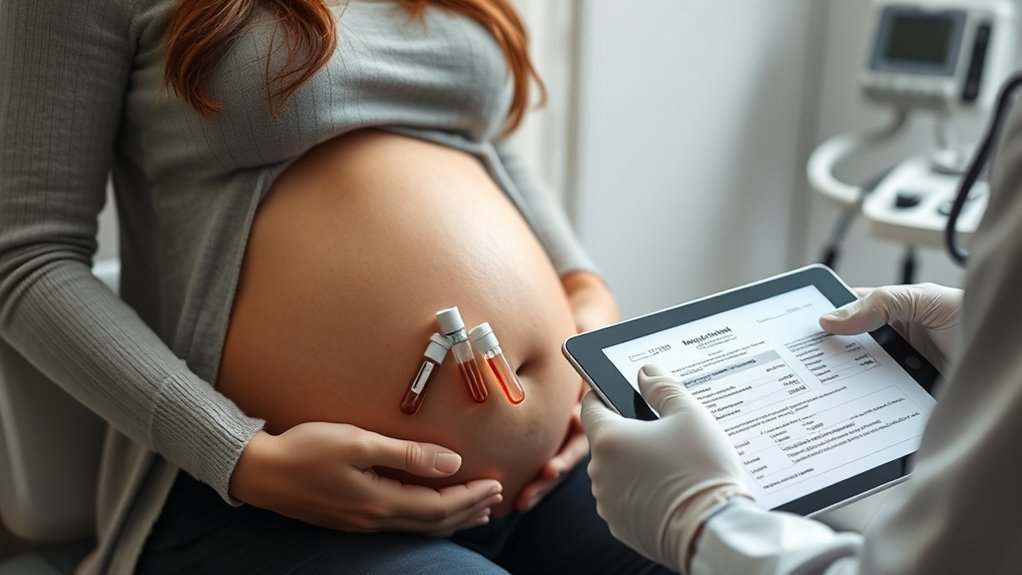
When an antibody screen is positive, your care team will monitor you closely with repeat blood tests. Clinically significant antibodies often need checks every 2 to 4 weeks, based on your care plan.
If you’re Rh-negative, this testing helps your clinicians track harmful antibodies and protect fetal health. They’ll identify the exact antibodies so they can tailor follow-up instead of guessing.
For some pregnancies, your team may use cell-free fetal DNA from your blood. This test may help learn the baby’s blood type and estimate risk.
Maternal-fetal medicine specialists often add Doppler ultrasound to monitor blood flow and look for early signs of anemia. Positive results don’t mean immediate harm. They mean your pregnancy deserves careful, respectful surveillance.
With regular testing, your clinicians can respond promptly if risks change. Understanding Rh factor compatibility can also help you understand how your care team prevents complications.
What Your Care Team May Track
Your team may track the antibody type, antibody level, and whether the baby carries the matching antigen. These details help your clinicians judge risk more accurately.
They may also review your pregnancy history, transfusion history, ultrasound findings, and delivery plan. This helps your team choose care that fits your pregnancy.
- The specific antibody found in your blood
- Whether the antibody can affect pregnancy
- Changes in antibody level over time
- Ultrasound signs that may suggest anemia
What Happens If Your Baby Develops Anemia?
If your baby develops anemia, maternal antibodies may be attacking fetal red blood cells. This can reduce oxygen delivery and affect growth and well-being.
Your team will track anemia with ultrasound and Doppler studies of the fetal middle cerebral artery. They watch blood flow for signs that the disease may be getting worse.
Without treatment, severe anemia can progress to hydrops fetalis, heart strain, or stillbirth. Timely care can change that path.
- A calm ultrasound room, dim screens, and clear measurements
- Blood flow waves mapped across the fetal brain vessel
- A specialist explaining each finding in plain language
- A transfusion setup ready to restore red blood cells
If needed, you may receive intrauterine transfusion, where red blood cells go directly into the fetus. This treatment can help restore fetal red blood cells and improve oxygen delivery.
Close coordination with maternal-fetal medicine helps you protect fetal health. It also helps you make informed, independent choices.
Warning: Call your pregnancy care team right away if you have bleeding, trauma, reduced fetal movement, or urgent concerns.
What It Means for Future Pregnancies
A positive antibody screen can affect this pregnancy and future pregnancies. Some antibodies can persist in your blood and raise the risk of hemolytic disease later.
Your healthcare providers will review your history, repeat antibody testing, and watch levels closely. They’ll look for signs of fetal anemia and adjust care early instead of waiting for complications.
Providers review your history, repeat antibody testing, and monitor closely for fetal anemia, adjusting care early.
If you’re Rh-negative, you may need Rh immune globulin in future pregnancies to prevent sensitization. Timely use of Rh immunoglobulin (RhIg) can help prevent a maternal immune response to RhD-positive blood.
Even if you feel well, follow-up matters because antibody patterns can change. With consistent monitoring, you and your team can build a clear, tailored plan that supports safer outcomes.
This knowledge gives you more control over your reproductive care. It also helps each pregnancy get the attention it deserves.
Frequently Asked Questions
What do positive antibodies in pregnancy mean?
Positive antibodies mean your immune system has made antibodies against certain red blood cell markers. Some antibodies can cross the placenta and affect your baby’s red blood cells, so your care team will identify the type and monitor risk.
What happens if an antibody screen is positive?
Your care team will order more testing to identify the antibody. They may also check antibody levels, review parent blood types, and use ultrasound if the antibody can affect your baby.
What should you do after a positive antibody screen?
Follow your clinician’s plan for repeat testing and specialist care if needed. Ask which antibody you have, whether it can affect pregnancy, and how your baby will be monitored.
Can a positive antibody screen go away?
Some antibodies may stay in your blood for a long time. Your care team will review your history and test results to decide how much follow-up you need now and in future pregnancies.
Is it good if my antibody screen is negative?
Yes. A negative screen means the test did not find concerning red blood cell antibodies at that time. Your care team may still repeat screening later in pregnancy, based on your blood type and care plan.
Medical Disclaimer: This article is for informational purposes only and does not constitute professional medical advice. Always consult a qualified doctor before making decisions based on this information.
Conclusion
A positive antibody screen means your pregnancy needs closer follow-up, not panic. Your next step is to ask your care team which antibody you have and how they will monitor your baby.
With timely testing, ultrasound monitoring, and specialist care when needed, many pregnancies continue safely. Clear information helps you make confident choices for this pregnancy and any future pregnancies.

