
You can use an FSA or HSA to pay for many pregnancy costs, including prenatal visits, ultrasounds, delivery charges, postpartum care, prescription medications, and some breastfeeding supplies like breast pumps and nursing pads. HSAs roll over and stay with you, while FSAs usually have yearly limits. You’ll need receipts and medical documentation for reimbursement. Some items, like maternity clothes, premiums, and most baby gear, aren’t covered, but there’s more to know about eligible expenses.
Pregnancy Costs FSAs and HSAs Cover

When you’re pregnant, your FSA or HSA can help cover many of the costs that add up along the way. You can use an FSA for many pregnancy-related expenses, including co-pays for prenatal visits, ultrasounds, lab tests, and prescription medications tied to care.
Your HSA also lets you pay tax-free for qualified medical costs, such as maternity care and childbirth. Both accounts usually cover eligible expenses like childbirth classes, lactation consultant fees, and certain over-the-counter pregnancy tests and supplies.
If you want reimbursement from an FSA, keep every receipt and record, since documentation matters. With an HSA, you can pay directly or reimburse yourself later, as long as the expense qualifies.
You can also prepare for dependent care costs after birth, but contribution limits may shape how you plan. Use both accounts strategically, and you keep more control over your money and your care.
How to Use an FSA for Prenatal Care
You can use your FSA to pay for prenatal visits, including routine doctor appointments, ultrasounds, and other covered screenings.
Keep receipts and any required medical documentation so you can file reimbursement claims for eligible expenses without delay.
If your plan allows it, you can also use FSA funds for certain prescribed pregnancy-related items that support your prenatal care.
Prenatal Visit Coverage
Prenatal visits are typically FSA-eligible, so you can use your Healthcare FSA to help pay for routine check-ups, screenings, ultrasounds, and pregnancy-related blood work. These prenatal visits count as eligible expenses, and you can apply FSA funds to reduce your out-of-pocket healthcare costs.
Keep every receipt and submit it for reimbursement, because your plan requires documentation that matches IRS guidelines. If you see an obstetrician or midwives for care, those visits usually qualify too.
In 2026, the maximum contribution limit is $3,400, which can help you protect more of your income while covering pregnancy care. By using your FSA strategically, you gain more control over essential services and keep your growing family’s budget freer and more secure.
Eligible Screening Costs
A range of prenatal screening costs can qualify for FSA reimbursement, including doctor visits, ultrasounds, blood tests, genetic testing, and other medically necessary screenings your provider orders.
You can treat these eligible screening costs as FSA eligible when they support your prenatal care and meet IRS guidelines. Your FSA may also cover other pregnancy-related medical expenses, such as prescribed medications tied to screenings or symptom management.
Keep clear documentation, including receipts and provider notes that show medical necessity, so you can support reimbursement. When you track prenatal screenings early, you protect your access to care and reduce financial stress.
Use your FSA to offset qualified costs before birth, and review each charge carefully to confirm it aligns with current IRS rules.
Filing Reimbursement Claims
When you file an FSA reimbursement claim for prenatal care, submit receipts or invoices that clearly show the medical services received, such as doctor visits, ultrasounds, lab tests, or prescribed pregnancy-related medications.
Keep organized documentation for all eligible expenses so you can submit receipts for reimbursement without delays. Your FSA plan may let you file reimbursement claims online, through a mobile app, or by paper, so check the preferred method before you send anything.
Make sure every claim aligns with IRS guidelines and includes only covered medical services. Non-prescription items and cosmetic procedures won’t qualify.
HSA-Eligible Pregnancy Expenses
HSA funds can help you pay for many pregnancy-related expenses, as long as the costs meet IRS rules for qualified medical care and you incur them after opening the account. You can use hsa-eligible expenses for prenatal care, postpartum care, and certain fertility treatments when they’re medically necessary.
| HSA-eligible expenses | Examples |
|---|---|
| Prenatal care | Visits, tests, and ultrasounds |
| Medical supplies | Breast pumps and related supplies |
| Pregnancy support | Midwife or doula fees |
| Fertility treatments | IVF and other covered care |
You can also pay for prescription medications tied to pregnancy, including prenatal vitamins and treatment for pregnancy-related conditions. To stay compliant, keep every receipt and confirm each charge fits IRS guidelines before you use HSA dollars. If an expense counts as a qualified medical expense, your HSA can give you more control over care costs and support your choices without unnecessary financial strain.
FSA vs. HSA for Childbirth Costs

When you compare FSA and HSA childbirth cost coverage, both can help pay for prenatal visits, delivery charges, postpartum care, and eligible pregnancy medications.
An FSA lets you use pre-tax dollars for these costs, up to the annual limit, which can make it a practical short-term option.
An HSA also covers childbirth expenses, and its tax-free savings carry over year after year, giving you more flexibility for ongoing maternity care and future family planning.
FSA Childbirth Cost Coverage
Both FSAs and HSAs can help cover childbirth costs, including hospital delivery fees, prenatal visits, and other medically necessary expenses.
With FSA coverage, you can use FSA funds to pay eligible healthcare and medical expenses tied to pregnancy, delivery, and postpartum expenses, as long as they meet IRS rules. Your plan may let you access the full annual amount early, which can ease cash flow when bills arrive. For 2026, max contribution limits for FSAs are $3,400, so plan carefully.
Health savings accounts also support these same childbirth costs, but only if you’re enrolled in an HDHP.
Either way, these accounts help you protect your budget, keep more control over care, and move through pregnancy with greater financial freedom.
HSA Childbirth Cost Coverage
Because an HSA can cover many of the same childbirth expenses as an FSA, it’s often the more flexible option for prenatal care, hospital delivery charges, postnatal visits, and other qualified medical costs that aren’t reimbursed elsewhere.
You can use HSA funds for eligible expenses and keep your money growing if you don’t spend it right away.
- Your HSA pays hospital co-pays and deductibles.
- You can save for childbirth costs across years, not just one plan year.
- Funds roll over, so you won’t lose unused balances.
- If you leave a job, your HSA still stays with you.
For couples with high-deductible plans, pairing an HSA with a Limited Purpose FSA can strengthen tax advantages while supporting prenatal care and delivery needs.
Which Baby Supplies Qualify?
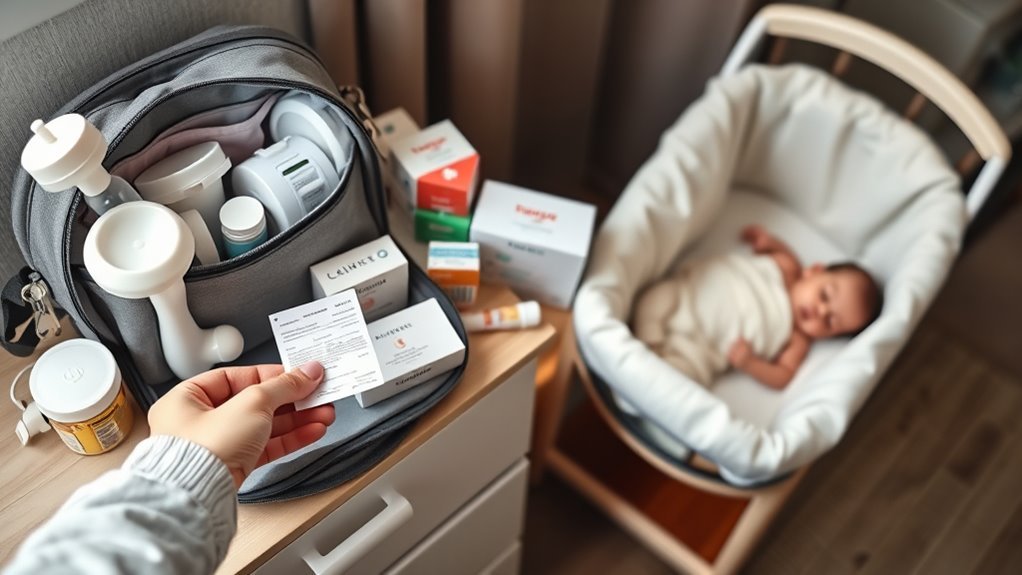
A few baby supplies can qualify for FSA or HSA reimbursement, especially when they support a medical need rather than everyday use. You can treat these as FSA-eligible expenses when you have a prescription or clear medical purpose, but always review IRS guidelines and your plan.
| Item | Usually eligible? | Notes |
|---|---|---|
| breast pumps | Yes | Often covered |
| breast milk bags | Yes | Medical support |
| diapers | Sometimes | Needs prescription |
| baby thermometers | Yes | Health-related use |
| baby gear | No | Usually personal |
You can also claim some medical supplies like nasal aspirators or baby scales if they’re tied to care. By contrast, strollers, cribs, and most baby gear don’t qualify for reimbursement. If your doctor writes a prescription for diaper rash cream or another item, save that record. You deserve to use your benefits wisely, so confirm eligibility before you buy.
Breastfeeding Supplies and Lactation Support
You can often use your FSA or HSA to cover a breast pump, along with other nursing supplies like storage bags and nursing pads, if they’re medically necessary.
If your provider prescribes it, lactation consultant visits may also qualify for reimbursement and can offer helpful support.
Keep every receipt and document the medical need so you can submit claims without delays.
Breast Pump Coverage
Breast pumps and related lactation supplies are often eligible FSA expenses, so you can use pre-tax dollars to help cover items like storage bags, nursing pads, and breast shields.
You can often claim breast pumps as eligible medical expenses, especially when you keep documentation of purchases and receipts for FSA reimbursement. The Affordable Care Act may also provide breastfeeding support through insurance, which can work alongside your FSA benefits.
- Confirm your plan’s rules.
- Ask your healthcare provider if an item is medically necessary.
- Save every receipt and proof of payment.
- Submit claims promptly for lactation supplies.
If your account allows it, you can move with more freedom and reduce out-of-pocket strain while you prepare to feed your baby.
Lactation Consultant Visits
You can use FSA funds for a lactation consultant when the service addresses medical necessity and you keep clear documentation.
The Affordable Care Act requires health insurance plans to cover lactation support and counseling, but FSA reimbursement can still help with eligible costs that fall to you.
Save receipts, visit notes, and any Letter of Medical Necessity if requested.
You may also qualify for reimbursement of breastfeeding supplies when they meet IRS rules, giving you more control over your care.
Check your plan details so you can claim benefits confidently and protect your access to support.
Nursing Supplies Eligibility
Beyond consultant visits, FSA funds can also help with a range of nursing supplies when they’re tied to breastfeeding care. You can often claim eligible expenses if a provider confirms medical necessity and you keep strong documentation.
Use your FSA to support your care with:
- A breast pump and covered accessories, including rental fees when medically necessary.
- Nursing pads, breast milk storage bags, and nipple creams for breastfeeding comfort.
- Lactation consultant services that support your feeding goals and are properly documented.
- Other prescribed nursing supplies that your healthcare provider recommends.
For FSA reimbursement, save receipts, prescriptions, and notes from your lactation consultant.
When you track these details, you protect your access to care and keep your breastfeeding journey on your terms.
Pregnancy Expenses FSAs Don’t Cover
While an FSA can help with many pregnancy-related costs, it won’t pay for everything. You can’t use your FSA for insurance premiums, including health, dental, or vision coverage during pregnancy.
It also won’t cover cosmetic procedures, such as stretch mark treatments or elective surgeries, because they’re not eligible pregnancy expenses. Prenatal vitamins and supplements usually aren’t eligible for reimbursements unless your doctor prescribes them for a specific medical condition.
Maternity clothes aren’t covered either, even though they may feel essential to your comfort. Gym memberships and general fitness programs also fall outside FSA rules unless a healthcare provider prescribes them for treatment.
To protect your budget, review each charge before you spend and keep your receipts organized. When you know what’s excluded, you can direct your FSA funds toward expenses that truly qualify and keep more control over your pregnancy care.
Pregnancy Costs You Can Pay With an HSA
If your FSA won’t cover every pregnancy-related expense, your HSA can help fill in many of the gaps. You can use it for qualified pregnancy-related expenses that support your care and peace of mind. Here’s what to plan for:
- Prenatal visits: Your HSA can pay for checkups, ultrasounds, and lab tests that track your health and your baby’s development.
- Prescription medications: You can use HSA funds for prenatal vitamins and other prescribed medications, with reimbursement available for eligible costs.
- Hospital expenses: Labor and delivery charges can be covered with HSA dollars, helping you manage major childbirth bills without losing control.
- Postnatal care and medical supplies: Follow-up doctor visits, breast pumps, and lactation supplies may also qualify.
Using your HSA gives you more flexibility and more freedom to handle essential care.
Keep eligible purchases separate from nonmedical items so you can use your account confidently and stay ready for each stage of pregnancy.
How to Save Pregnancy Receipts
Keep every pregnancy-related receipt in one organized system so you can easily submit FSA or HSA claims when needed. Track every expense tied to pregnancy, from prenatal visits and ultrasounds to maternity supplies, because many costs may be eligible for reimbursement.
Sort receipts by date and by type of medical expense so you can find them fast when you file claims or prepare for tax season. Use a scanning app to store digital copies, which protects your records if paper receipts fade, get lost, or need backup during a dispute with your FSA or HSA provider.
Save any supporting documentation, including a Letter of Medical Necessity when required for specialized prenatal vitamins or support garments. Review your eligible expenses list regularly, since covered costs can change throughout pregnancy.
A simple, disciplined system helps you stay in control, claim what you’re owed, and keep your benefits working for you.
How to Choose the Right Account for Delivery
Choosing the right account for delivery comes down to matching your expected pregnancy costs with each plan’s rules and benefits. If you want immediate coverage for pregnancy-related expenses, an FSA can help you pay co-pays, deductibles, and other eligible expenses with pre-tax funds.
- Estimate your delivery and prenatal costs.
- Check whether you have an HDHP for HSA access.
- Review the FSA use-it-or-lose-it deadline.
- Compare HSA long-term savings potential.
Use an FSA if you expect high, predictable healthcare costs this year and want quick access to money.
Choose an HSA if you value flexibility, rollovers, and investing for future healthcare costs after childbirth. Both accounts can reduce your tax burden, but the HSA also supports long-term savings and future family needs.
Carefully project your spending, then pick the account that gives you the most freedom and financial control.
Frequently Asked Questions
Are DEXA Scans FSA Eligible?
Yes—your DEXA scan can be FSA eligible if your provider deems it medically necessary. You’ll navigate dexa scan eligibility, FSA guidelines explained, and understanding HSA benefits while documenting diagnostic imaging costs for reimbursement.
Will FSA Pay for Tretinoin?
Yes, your FSA can usually pay for tretinoin if you’ve got prescription requirements met; ask your doctor about tretinoin benefits, acne treatment, pregnancy safety, over the counter options, skincare routine, and dermatology advice.
Can You Use FSA for TMJ?
Yes—if the shoe fits, you can use your FSA for TMJ. You’ll need FSA eligibility, TMJ treatments, dental expenses, covered procedures, medical supplies, insurance coordination, and a reimbursement process; pregnancy care doesn’t change this.
Can I Use My FSA for PRP Injections?
You can use your FSA for PRP injections if they meet FSA eligibility as medical expenses, not cosmetics. Check PRP benefits, injection costs, insurance coverage, and your reimbursement process with documentation for health savings.
Conclusion
As you plan for pregnancy and delivery, your FSA or HSA can help you keep costs in check and avoid paying more than you need to. Review what’s eligible, save every receipt, and choose the account that fits your expected expenses best. With a little planning, you can make your money go further and stay focused on what matters most. In this case, a stitch in time really does save nine.
