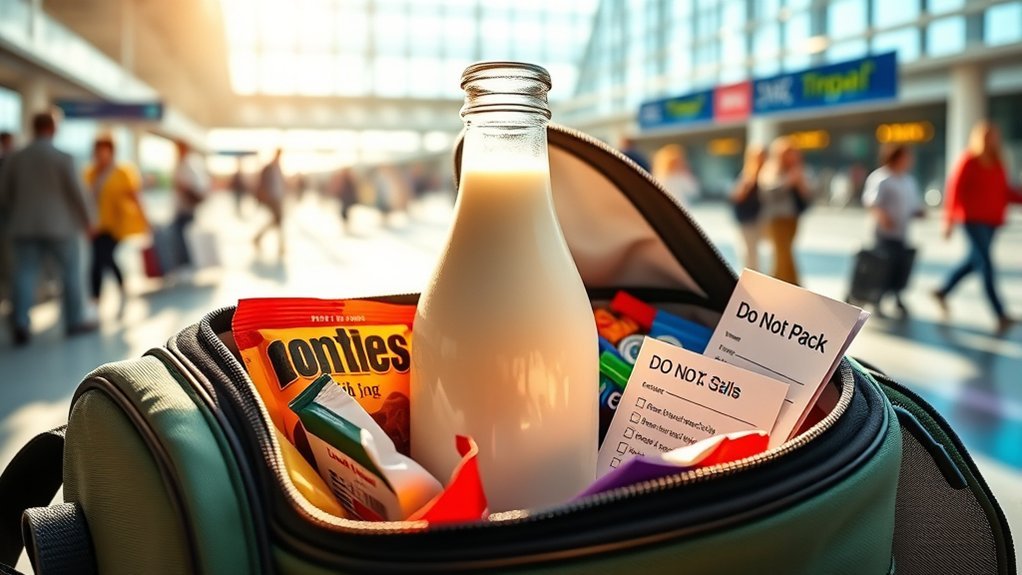
Milk can leak, spoil, or fail airport liquid rules if you pack it the wrong way. A few small choices can save your bag, your clothes, and your travel day. This guide shows you how to choose travel-friendly milk, pack it safely, keep it cold, and handle airport checks with less stress.
What’s in This Article
- Choosing the Right Type of Milk for Travel
- Understanding Packaging Options
- Checking Airline Rules for Carry-On Liquids
- Keeping Milk Cold During Travel
- Avoiding Problems With Milk Containers
- Using Insulated Bags for Longer Trips
- Being Mindful of Expiration Dates
- Preparing for Security Checks at Airports
- Cleaning Up Spills Effectively
- Frequently Asked Questions
- Conclusion
Quick Answer
The best way to travel with milk is to choose shelf-stable or powdered milk when possible. If you bring fresh milk, use a sealed, leak-proof container and keep it cold with an insulated bag and ice packs. For flights, follow the 3.4-ounce carry-on liquid rule unless your milk qualifies for a baby, toddler, or medical exception.
Key Takeaways
- Choose shelf-stable, powdered, or plant-based milk for easier travel.
- Use leak-proof containers to protect your clothes, bag, and documents.
- Keep fresh milk cold with an insulated bag and frozen gel packs.
- Check airline and airport rules before packing milk in your carry-on.
- Clean spills fast to reduce stains, odor, and mess.
Choosing the Right Type of Milk for Travel
When you plan a trip, the right type of milk can make travel much easier. Choose shelf-stable milk, such as UHT milk or powdered milk, because it does not need refrigeration until opened.
This choice lets you pack milk without worrying about quick spoilage. It also works well for road trips, hotel stays, camping, and long travel days.
If you prefer plant-based options, almond, soy, or oat milk can work well. Many brands sell these milks in shelf-stable cartons, and they often weigh less than glass bottles.
Think about your destination’s climate before you pack dairy milk. Heat can spoil dairy faster, so non-dairy alternatives or powdered milk may give you a safer option.
The best milk for travel depends on your route, storage space, and how soon you plan to drink it. Pick the option that helps you enjoy your favorite beverages or meals without extra stress.
Understanding Packaging Options
The container you choose matters as much as the milk itself. A weak lid or thin carton can leak inside your bag.
Choose leak-proof options that protect your clothes and travel documents. You can also use shelf-stable varieties to simplify your packing plan.
Good packaging helps you enjoy milk during your trip without stains, smells, or wasted space.
Types of Milk Containers
Choosing the right container for transporting milk can improve your travel experience. You have several options to consider, and each one fits a different travel style.
- Glass bottles: These look neat and can help protect taste, but they feel heavy and can break.
- Plastic bottles: These weigh less and handle bumps better, but they may not keep milk cold for long.
- Tetra packs: These work well for shelf-stable milk and trips without easy refrigeration.
- Insulated containers: These help keep milk cooler during long car rides or outdoor travel.
Pick the container that fits your travel time, bag space, and storage needs.
Leak-Proof Packaging Solutions
Leak-proof packaging can save you from messy surprises. Choose containers that close tightly and hold liquids without dripping.
These options work well for most travel plans:
- Tightly sealed bottles: Use bottles with screw-on lids that create a firm seal.
- Silicone pouches: Use durable pouches made for liquids when you need flexible packing.
- Insulated containers: Use sturdy containers that keep milk cold and reduce leak risk.
Place each container upright when possible. You can also put it inside a separate resealable bag for extra protection.
Shelf-Stable Options Available
If you want convenience, choose shelf-stable options that do not need refrigeration before opening. These products often come in Tetra Paks or aseptic containers.
You can find whole milk, skim milk, and flavored choices like chocolate or strawberry milk. Many brands use ultra-pasteurization to extend shelf life while keeping the milk usable for travel.
Before you leave, check the expiration dates and choose the freshest package. Pack only the servings you expect to use, especially if the containers come in single-serve sizes.
With shelf-stable milk, you can enjoy nutritious beverages on the go without needing a cooler before opening.
Pro tip: Pack single-serve shelf-stable milk when you want less waste and easier airport screening.
Checking Airline Rules for Carry-On Liquids
Before you pack milk for a flight, check the rules for carry-on liquids. Airport security rules can affect how much milk you can bring through screening.
Most standard liquids in carry-on bags must stay in containers of 3.4 ounces, or 100 milliliters, or less. You usually need to place those containers in one quart-sized clear plastic bag.
- Use small containers for milk you plan to carry through security.
- Place liquid containers in a clear resealable bag before screening.
- Check for exceptions if you travel with baby milk, formula, or medically needed liquids.
Rules can vary by country, airport, airline, and destination. Check your airline and airport guidance before you pack, especially for international trips.
Knowing these rules helps you avoid delays and possible confiscation at security. You can focus on your trip instead of fixing a packing mistake.
Keeping Milk Cold During Travel
Once you choose your milk and container, keep fresh milk cold during your journey. Warm temperatures can shorten freshness and affect taste.
Use a high-quality insulated cooler bag for fresh milk. A good cooler bag helps hold a low temperature for several hours.
Freeze gel packs before your trip and place them around the milk. Gel packs work better than loose ice because they create less mess.
If you travel by car, place the cooler away from direct sun. Keep it in the back seat or another shaded spot when possible.
At the airport, keep your cooler close and avoid leaving it near heat. Place it in a safe spot during the flight to reduce temperature swings.
Warning: Do not drink milk that smells sour, looks curdled, or has stayed warm too long.
Avoiding Problems With Milk Containers
When you travel with milk, do not assume an unopened container will pass every rule. Size, seal type, and destination rules still matter.
Many airlines and airports set strict limits for liquids in carry-on bags. Sealed containers help prevent leaks, but they do not remove standard liquid limits.
Check Airline Regulations
Check airline regulations before you bring milk, especially if you want to pack unopened containers. Different routes may follow different liquid and food rules.
- Some airlines may allow milk in carry-on luggage, while others may ask you to place it in checked baggage.
- Carry-on liquid limits often apply to containers over 3.4 ounces, or 100 milliliters.
- International destinations may apply separate food import rules for dairy products.
Review the rules before you leave home. This step helps you avoid stress at the airport.
Use Sealed Containers
Use sealed containers when you want to keep milk fresh and reduce leak risk. A tight seal also helps protect milk from contamination.
Choose containers made for liquids, especially if your bag may shift during travel. Screw-top bottles, strong pouches, and small sealed cartons can all work well.
Avoid opened cartons or bottles for flights when possible. Opened containers can leak, smell, and create more trouble during inspection.
Small, sturdy bottles often work best for short trips. Vacuum-sealed bags can also help when you need flexible packing.
Using Insulated Bags for Longer Trips
Insulated bags help protect fresh milk during longer trips. They also make your packing cleaner and easier to manage.
These bags help control temperature, so your milk stays cooler for longer. They also protect milk from temperature fluctuations that can affect freshness.
- Choose bags with thick insulation for better temperature control.
- Use bags with compartments to separate milk from snacks and clothes.
- Pack frozen gel packs to boost cooling power.
An insulated bag helps you worry less about spoiled milk. It also gives you more control during car rides, layovers, and hotel check-ins.
A small cooler bag can offer real peace of mind when your trip includes long travel hours.
Being Mindful of Expiration Dates
Check expiration dates before you pack any milk. Nothing can spoil a good trip faster than sour milk in your bag.
Choose the freshest options with several days left before the date on the container. If you plan to fly, think about your total travel time and when you will drink the milk.
Temperature changes can affect freshness, especially during long trips. If you do not know whether you can finish the milk in time, leave it behind or choose powdered milk.
Use the printed date as a guide, but also check smell, texture, and storage history. Safe packing starts before the milk enters your bag.
Preparing for Security Checks at Airports
Plan ahead for airport security checks if you bring liquids, including milk. Clear packing helps you move through the line faster.
Most standard carry-on liquids must follow specific guidelines. These simple steps can reduce delays:
- Check the quantity: Keep standard carry-on liquids at 3.4 ounces, or 100 milliliters, or less.
- Use a clear plastic bag: Place small milk containers in a resealable bag for easier screening.
- Consider alternatives: Choose shelf-stable milk or powdered milk to avoid common liquid problems.
If you bring milk for a baby, toddler, or medical need, tell security staff before screening starts. Keep those items easy to reach.
Note: Airport rules can change by country, so check local guidance before each flight.
Cleaning Up Spills Effectively
Even with careful packing, spills can happen when you travel with milk. When milk leaks, act quickly to reduce stains and odor.
First, grab paper towels or a clean cloth and blot the spill. Do not wipe hard, because wiping can spread the milk.
When milk spills, blot it quickly and use cool water to loosen the residue.
If you can, pour a small amount of cool water on the affected area. This helps dilute the milk and makes cleanup easier.
Sprinkle baking soda on the damp spot to absorb odor and moisture. Let it sit for a few minutes, then wipe the area with a damp cloth.
For lingering smells, use a mild mix of vinegar and water on washable surfaces. Check nearby items too, because milk can spread under bags, shoes, and clothing.
Frequently Asked Questions
Can I Travel With Flavored or Specialty Milk Options?
Yes, you can travel with flavored or specialty milk options. Check the liquid rules for your airline, airport, and destination before you pack them. Use sealed containers and an insulated bag if the milk needs cold storage.
What Are the Best Milk Alternatives for Travel?
Almond milk, oat milk, and soy milk can work well for travel. Choose shelf-stable cartons when possible, because they pack easily and do not need chilling before opening. Powdered milk can also save space on longer trips.
How Do Different Climates Affect Milk During Travel?
Hot climates can make fresh milk spoil faster, especially if you cannot keep it cold. Very cold conditions can freeze milk and change its texture. Use an insulated container and check the milk before drinking it.
Can I Take Milk in Checked Luggage?
You may be able to pack milk in checked luggage, but rules can depend on your airline and destination. Use a sealed, leak-proof container and wrap it inside a separate bag. Check dairy import rules if you fly across borders.
How Do I Handle Milk Spills on Clothing?
Blot the milk with a clean cloth first. Rinse the fabric with cold water, then apply gentle detergent before washing. Avoid hot water at first, because it can make stains and odors harder to remove.
Is Powdered Milk Better Than Fresh Milk for Travel?
Powdered milk often works better for long trips because it weighs less and does not need refrigeration. You can mix it with clean water when you need it. Fresh milk may taste better, but it needs more careful storage.
Conclusion
The easiest way to travel with milk is to plan for leaks, heat, and liquid rules before you leave. Choose shelf-stable options when possible, or use leak-proof containers and cold packs for fresh milk.
Check airline regulations, review expiration dates, and keep your milk easy to reach during security checks. A little preparation can help you avoid mess, waste, and stress.
With the right packing plan, you can enjoy your favorite milk wherever your trip takes you.