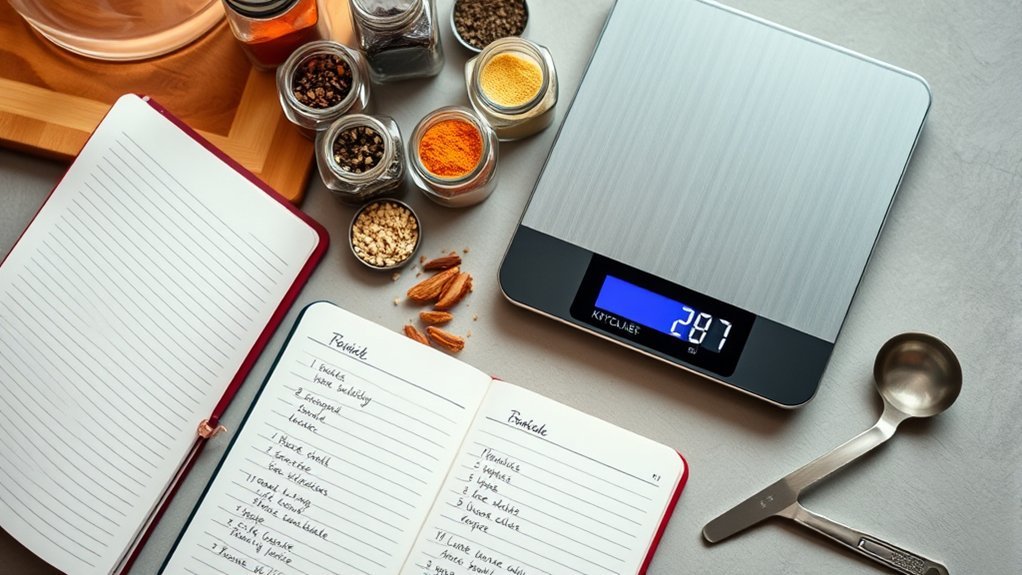
Small measuring errors can add up fast when you’re tracking ounces for meals, recipes, or portion control. A spoonful here and a guessed serving there can make your log less useful than you think. This guide shows you how to measure ounces more accurately, avoid common tracking mistakes, and build habits you can keep.
What’s in This Article
- Understanding Ounces: The Basics
- Do Use a Kitchen Scale for Accuracy
- Don’t Rely Solely on Volume Measurements
- Do Familiarize Yourself With Common Conversions
- Don’t Forget to Account for Packaging
- Do Track Everything You Eat and Drink
- Don’t Skip Meal Prep and Planning
- Do Adjust Portions Based on Your Goals
- Don’t Ignore the Importance of Consistency
- Do Re-evaluate Your Tracking Methods Regularly
- Common Ounce Tracking Mistakes to Avoid
- Frequently Asked Questions
- Conclusion
Quick Answer
To track ounces accurately, use a kitchen scale, measure food without packaging, and log everything you eat and drink. Weight gives you more reliable results than volume because ingredients have different densities. Review your tracking method often so it still matches your goals.
Key Takeaways
- Use a kitchen scale for the most accurate ounce tracking.
- Measure ingredients by weight instead of volume when precision matters.
- Subtract packaging weight so you only track the food or drink.
- Log meals, snacks, drinks, and cooking ingredients for a clearer intake record.
- Adjust portions as your goals, habits, and activity levels change.
Understanding Ounces: The Basics
An ounce is a unit of weight used in many recipes, food labels, and nutrition logs. Knowing how ounces work helps you measure ingredients, compare portions, and follow recipes with more confidence.
For example, 16 ounces equal 1 pound. If a recipe calls for 8 ounces of cheese, that equals half a pound.
Accurate measurements help you get more consistent results, especially in baking. A few common conversions, such as 1 ounce equals about 28.35 grams, can make tracking easier.
Do Use a Kitchen Scale for Accuracy
Using a kitchen scale can improve the precision of your measurements and help you get the exact amounts your recipe or food log needs.
A scale also supports consistent portion control. That matters when you track calories, protein, carbohydrates, fats, or serving sizes.
When you weigh your ingredients, you improve recipe accuracy and reduce guesswork. Your dishes will come out more consistent each time.
Precision in Measurements
A kitchen scale gives you the clearest way to measure ounces. It can improve both cooking accuracy and nutrition tracking.
Use these accuracy tips when you measure:
- Zero the scale: Tare your scale before adding food so you measure only the ingredient.
- Use the right units: Switch between ounces and grams based on your recipe or tracking app.
- Weigh ingredients individually: Measure each item on its own so your log stays clear and accurate.
Pro tip: Keep a small bowl on the scale and tare it before each ingredient to speed up meal prep.
Consistent Portion Control
For steady portion control, a kitchen scale works better than guessing. It helps you repeat the same serving size from meal to meal.
Using a scale also helps you follow serving sizes listed on food labels. This makes your tracking more useful and supports mindful eating.
Instead of relying on volume measurements, weigh your food when accuracy matters. You’ll get a clearer view of your eating patterns and nutritional intake.
Recipe Accuracy Enhancement
When you want recipe accuracy, weigh your ingredients with a kitchen scale. This matters most when you bake or make ingredient swaps.
Weighing your ingredients gives you three main benefits:
- Precision: A scale measures in grams or ounces and avoids uneven scoops from cups and spoons.
- Consistency: You can repeat your favorite recipes and get similar results each time.
- Adaptability: Accurate weights help you keep flavor and texture balanced when you substitute ingredients.
A kitchen scale can improve your cooking without adding much extra work. Small changes in how you measure can make a clear difference.
Don’t Rely Solely on Volume Measurements
Volume measurements can help in casual cooking, but they don’t always give you accurate ounce tracking. A cup of one ingredient may weigh much more than a cup of another.
Different ingredients have different densities. For example, a cup of flour weighs less than a cup of packed brown sugar.
Use a kitchen scale when you need better accuracy. Weight measurements give you a more reliable standard.
Importance of Weight Measurements
Weight measurements give you a stronger base for cooking, baking, and nutrition tracking. They reduce the errors that can happen with scoops and cups.
Prioritize weight for these reasons:
- Portion sizes: Exact weights help you control serving sizes with more confidence.
- Nutritional value: Weight-based tracking helps you estimate calories and nutrients more clearly.
- Ingredient substitutions: Accurate weights help you keep recipes balanced when you swap ingredients.
Consider Ingredient Density Variations
Tracking ounces also means understanding how density affects measurement. Volume alone can hide big differences between ingredients.
A loose cup of flour can weigh much less than a packed cup of flour. Brown sugar, chopped nuts, shredded cheese, and cooked grains can vary even more.
Measure ingredient weight when you need precise results. This helps your recipes and food logs stay more accurate.
Do Familiarize Yourself With Common Conversions
Common conversions help you move between recipes, food labels, and tracking apps. They also help when a recipe uses cups but your log uses ounces.
Keep these conversions in mind:
- 1 fluid ounce = 2 tablespoons
- 1 cup = 8 fluid ounces
- 16 ounces = 1 pound
- 1 ounce = about 28.35 grams
Note: Fluid ounces measure volume, while ounces measure weight, so don’t treat them as the same for every food.
Conversion charts and tracking apps can make this process easier. Use them when you switch between measuring tools or recipe formats.
Double-check conversions when accuracy matters. A quick check can prevent mistakes before they affect your recipe or intake log.
Don’t Forget to Account for Packaging
Packaging can distort your ounce tracking if you weigh food while it’s still in a container. Cans, bottles, jars, bags, and boxes all add weight.
Check the net weight on packaged foods. Net weight excludes the package and shows the amount of food or drink inside.
For bulk items, weigh your container first or tare your scale before adding food. This helps you track only the portion you eat.
Always measure ingredients separately from their packaging when you need precise tracking. That simple step can prevent common logging errors.
Do Track Everything You Eat and Drink
Tracking everything you eat and drink gives you a clearer picture of your habits. Meals, snacks, drinks, cooking oils, sauces, and small bites can all affect your totals.
Detailed records help you spot patterns in your nutrition. They also show where you may need to adjust portions or food choices.
This habit can improve your awareness of serving sizes. It also helps you make more informed decisions about your diet.
Importance of Accurate Tracking
Accurate tracking helps you understand your dietary habits and make better health choices. It can also show gaps you might miss from memory alone.
Good tracking helps you monitor:
- Caloric intake: Logging portions helps you estimate how many calories you eat.
- Nutrient balance: Tracking can show whether you get enough protein, fiber, vitamins, and minerals.
- Hydration levels: Recording drinks helps you notice how much fluid you consume.
These habits support better awareness. They also make it easier to adjust your plan when your goals change.
Benefits of Detailed Records
Detailed records show what you eat, how much you eat, and when you eat it. This can help you find patterns that affect energy, hunger, and satisfaction.
Food logs can also reveal areas where you overestimate or underestimate portions. Once you see the pattern, you can make better choices.
Your records don’t need to be perfect to help. Consistent notes can still guide you toward better portion control and healthier meals.
Enhancing Dietary Awareness
To improve dietary awareness, track your intake with a method you can maintain. Choose a notebook, spreadsheet, or app that feels easy to use.
Try these steps:
- Use a food diary: Write down every meal, snack, and drink.
- Measure portions: Use measuring cups or a kitchen scale to check serving sizes.
- Log your feelings: Note how certain foods affect your hunger, energy, or mood.
This process can show what works well for you. It can also help you notice habits you want to change.
Don’t Skip Meal Prep and Planning
Meal prep and planning can help you stay on track with your nutrition goals. They also reduce last-minute choices that may not match your plan.
Set aside time each week to prepare meals or ingredients in advance. Batch cooking can help you divide larger meals into measured portions.
Build meals with a mix of protein, vegetables, whole grains, and healthy fats when they fit your goals. A simple shopping list can help you avoid impulse buys.
Pre-portioned meals make tracking easier because you measure once and repeat the serving. This saves time during busy days.
Do Adjust Portions Based on Your Goals
Your ideal portion size depends on your goals, hunger, activity level, and overall eating pattern. A portion that works for maintenance may not work for fat loss or muscle gain.
Use these goal-based tips:
- Assess your goals: Decide whether you want to lose weight, build muscle, maintain energy, or improve balance.
- Use visual cues: Use a fist for vegetables or a cupped hand for grains when a scale isn’t available.
- Track your progress: Keep notes on how portion changes affect your energy, hunger, and satisfaction.
Adjust portions slowly instead of making extreme changes. Small, steady shifts often feel easier to maintain.
Don’t Ignore the Importance of Consistency
Consistency helps you see how your body responds to different foods and portions. Frequent changes can make your tracking harder to interpret.
Tracking tools can help you stay accountable. They can also show patterns in your meals, snacks, and drinks.
You don’t need perfection. Focus on building repeatable habits that lead to steady progress.
Warning: If tracking food causes stress, guilt, or obsessive habits, pause and speak with a qualified health professional.
Do Re-evaluate Your Tracking Methods Regularly
Your tracking method may need to change as your lifestyle, goals, or dietary needs change. A system that worked last month may feel harder now.
Review these three areas:
Regularly reassessing your tracking methods helps you stay aligned with your current lifestyle and goals.
- Tracking frequency: Check how often you log meals and whether you skip certain days.
- Method comparison: Compare apps, journals, spreadsheets, or simple notes to find what feels sustainable.
- Goal alignment: Revisit your goals and adjust your tracking approach when your needs shift.
Keep the method that helps you stay honest without making meals feel stressful. Your best tool is the one you can use consistently.
Common Ounce Tracking Mistakes to Avoid
Even careful tracking can go off course when you miss small details. These mistakes often show up in recipes, meal prep, and nutrition logs.
- Logging cooked food when your app entry uses raw weight.
- Forgetting oils, sauces, dressings, and toppings.
- Measuring packed ingredients the same way as loose ingredients.
- Using fluid ounces and weight ounces as if they always match.
- Failing to tare the container before weighing food.
Check whether your recipe or tracking app refers to raw weight, cooked weight, fluid ounces, or ounces by weight. This small detail can change your totals.
Frequently Asked Questions
How Do I Choose the Right Kitchen Scale?
Choose a digital scale if you want precise measurements and easy readability. Look for a tare button, ounce and gram settings, a clear display, and a size that fits your kitchen.
What Are the Best Apps for Tracking Ounces?
Popular tracking apps include MyFitnessPal, Lose It!, Cronometer, and MyNetDiary. Choose an app with a food database, barcode scanning, custom entries, and ounce or gram tracking.
Can I Track Ounces Without a Scale?
You can track ounces without a scale by using measuring cups, spoons, food labels, and visual portion guides. A scale gives better accuracy, but consistent cup measurements can still help when you don’t have one.
How Often Should I Re-Evaluate My Tracking Methods?
Review your tracking method every few weeks, especially if your goals or schedule change. If you skip logs often or feel frustrated, simplify your system.
What Should I Do if I Overestimate My Portion Sizes?
If you overestimate portions, compare your usual serving with a measured serving at your next meal. Use that check to adjust future logs without trying to “make up” for past entries.
Should I Weigh Food Before or After Cooking?
Use the same state your recipe or tracking app uses. If the entry says raw chicken, weigh it raw. If it says cooked rice, weigh it after cooking.
Conclusion
Accurate ounce tracking starts with consistent measuring, clear logging, and regular review. Use a kitchen scale when precision matters, and remember to account for packaging, density, and cooked versus raw weights.
Your next step is simple: choose one meal today and measure each part before you log it. Over time, these small habits can make portion control feel easier and more natural.
References
- Unit Conversion — National Institute of Standards and Technology
- How to Understand and Use the Nutrition Facts Label — U.S. Food and Drug Administration
- Food Group Gallery — MyPlate, U.S. Department of Agriculture

