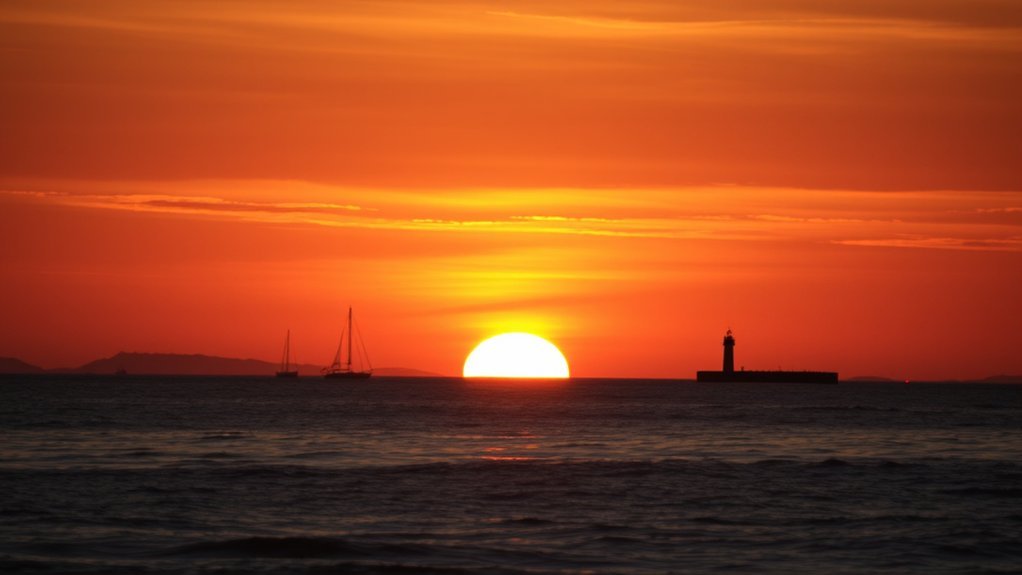
Many photographers treat the golden hour as the only time worth shooting, but that is only half true. The light shortly after sunrise and before sunset can be beautiful, warm, and forgiving, yet it is not magic by itself. Strong photographs come from understanding how light behaves, then choosing the right time, angle, settings, and subject for the mood you want. Once you learn how to use midday sun, shade, overcast skies, blue hour, and backlight, you can make compelling images far beyond one short window of the day.
Quick Answer
Golden hour is real, but it is not the only good time for photography. It gives soft, warm, low-angle light, which is helpful for portraits, landscapes, and travel scenes. Still, harsh sun, cloudy light, shade, and blue hour can also create strong photos when used with purpose.
Key Takeaways
- Golden hour usually happens shortly after sunrise and shortly before sunset, when sunlight is lower, softer, and warmer.
- It is excellent for mood, skin tones, silhouettes, backlight, and landscape depth, but it is not the only flattering light.
- Midday sun can work well for bold shadows, architecture, street photography, beach scenes, and high-contrast images.
- Overcast skies act like a large softbox, making them useful for portraits, close-ups, product photos, and detail shots.
- Better photography comes from reading the light, not chasing one time of day.
Understanding the Golden Hour: What It Really Is
The golden hour refers to the period shortly after sunrise and before sunset when natural light is lower, warmer, and often softer than it is during the middle of the day. The sun sits closer to the horizon, so the light travels through more atmosphere before reaching your subject. This can reduce harsh overhead shadows and create a warmer color that many photographers love.
That does not mean every golden hour photo will look perfect. The result still depends on your subject, background, weather, exposure, lens choice, composition, and camera settings. A poorly composed photo in golden light can still feel weak, while a well-planned image in shade, rain, fog, or even noon sun can feel powerful.
For portraits, golden hour often helps because the light is less likely to create deep shadows under the eyes and nose. For landscapes, it can reveal shape and texture across hills, trees, water, and buildings. For travel and street photography, it can add a warm mood that makes a scene feel more alive.
At a Glance
| Best Use | Portraits, landscapes, travel scenes, silhouettes, backlit subjects, and warm lifestyle images. |
| Difficulty | Beginner-friendly, but timing, exposure, and direction of light still matter. |
| Tools Needed | Camera or phone, weather app, sunset/sunrise app, reflector, tripod, and optional lens hood. |
| Main Limitation | The window is short, weather can change fast, and warm light alone cannot fix weak composition. |
Common Misconceptions About the Golden Hour
Many photographers believe that the golden hour is the only time to achieve beautiful lighting, but this is a common misconception. While golden hour does offer warm, soft light, it is not the only opportunity for stunning photography. Midday light, for example, can create striking contrasts, hard shadows, clean colors, and graphic shapes, especially in cities, deserts, beaches, and modern architecture.
Another misconception is that golden hour automatically makes every photo look professional. It does not. If the subject is facing the wrong direction, the background is distracting, or the highlights are blown out, the image may still fail. Good light helps, but it does not replace timing, framing, storytelling, and exposure control.
Overcast days are also underrated. Cloud cover can soften sunlight and reduce harsh shadows, which is perfect for faces, flowers, food, products, pets, and small details. Shade can work in the same way when you want even light without squinting eyes or bright patches across the subject.
Note: Golden hour is a lighting condition, not a rule. Treat it as one creative option, not as the only time your camera should come out.
The Science Behind the Golden Hour Light
While you might be captivated by the warm glow of the golden hour, understanding the science behind this phenomenon reveals why it is so visually appealing. During this time, the sun is low on the horizon, causing light to pass through more atmosphere. This increased path scatters more shorter blue wavelengths, allowing longer red and orange wavelengths to become more noticeable.
The result is a softer, warmer light that can enhance textures and contrast in your surroundings. The lower angle of the sunlight also creates elongated shadows, which can add depth, shape, and direction to your images. In a landscape, those shadows can define hills, rocks, trees, and buildings. In a portrait, the same low-angle light can create a warm rim around hair or shoulders.
Golden hour also changes the color temperature of a scene. Your camera may try to neutralize that warmth automatically, especially if auto white balance is active. If you want to keep the golden look, you may need to use daylight, cloudy, shade, or a custom white balance setting instead of letting the camera remove too much warmth.
The real power of golden hour is not just its warm color. It is the mix of low-angle light, softer contrast, longer shadows, and mood.
When Golden Hour Works Best
Golden hour is especially useful when you want warmth, softness, and emotional atmosphere. It often works best for portraits because people can face the light more comfortably than they can at noon. It also helps skin tones appear warmer and reduces the chance of harsh shadows under the eyes.
For landscapes, golden hour can make textures stand out. Side light across mountains, fields, rocks, sand, or city streets creates depth that flat light may not show. Water can also reflect warm tones, giving lakes, rivers, and ocean scenes a richer look.
Golden hour is also strong for silhouettes. If you place your subject between the camera and the bright sky, expose for the background, and keep the subject shape clean, you can create a dramatic outline. This works well with people, trees, animals, bicycles, buildings, and travel scenes.
When Golden Hour Is Not the Best Choice
Golden hour is not always the right light. If you need crisp product colors, true white surfaces, or a clean commercial look, warm low-angle light may shift colors too much. If you are shooting sports or wildlife in fast action, the lower light level may require higher ISO, a wider aperture, or a slower shutter speed than you want.
It can also be difficult when the sun is directly behind your subject and the background is much brighter than the face. Without a reflector, fill flash, or careful exposure, the subject may become too dark. Lens flare can also reduce contrast if the sun hits the front of your lens.
Warning: Never look directly at the sun through an optical viewfinder, especially with a telephoto lens. Use live view, your camera screen, or safe framing methods when the sun is in or near your composition.
How to Use Midday Sun Creatively
Midday sun gets a bad reputation because it is bright, hard, and overhead. That can make portraits difficult, but it can also create bold images. Strong sunlight gives you crisp shadows, high contrast, and saturated colors. Instead of avoiding it, look for subjects that benefit from that graphic look.
In street photography, hard shadows can turn sidewalks, walls, windows, and staircases into dramatic shapes. In architecture, bright sun can define clean lines and geometric patterns. At the beach, noon light can make water look bright and clear. For black-and-white photography, high contrast can be a creative advantage.
If you are photographing people at midday, move them into open shade, place them with their back to the sun, or use a reflector to lift shadows on the face. You can also look for natural diffusers, such as tree cover, building shade, awnings, or thin clouds.
How Overcast Light Can Improve Your Photos
Overcast light is soft because clouds spread sunlight across the sky. This reduces harsh shadows and makes exposure easier. It is one of the best conditions for portraits, macro photography, flowers, forests, food, and product images because details remain visible without strong bright spots.
Cloudy light can feel flat if you do not add contrast through composition. To avoid dull photos, look for color, texture, expression, leading lines, layers, and clean backgrounds. You can also increase contrast slightly in editing while keeping the soft look that cloudy conditions provide.
Pro Tip: On cloudy days, place your subject near the edge of shade or near a bright open area. This gives the face direction and shape while keeping the light soft.
Blue Hour and Twilight: The Other Magic Light
Blue hour happens before sunrise or after sunset when the sun is below the horizon but the sky still holds color. The light is cooler, softer, and dimmer than golden hour. It is excellent for cityscapes, street lights, car trails, reflections, moody portraits, and calm landscapes.
Because blue hour is darker, a tripod can help. You may need slower shutter speeds, higher ISO, or a wider aperture. For city scenes, blue hour can be better than full night because the sky still has detail instead of turning completely black.
Tips for Making the Most of the Golden Hour
To fully capitalize on the qualities of golden hour light, plan your approach before the light changes. This window can pass quickly, especially if buildings, mountains, trees, or clouds block the sun earlier than expected.
Maximize the enchanting qualities of golden hour light with thoughtful planning, strong composition, and quick adjustments.
- Check the timing: Know the sunrise and sunset times for your location, then arrive early enough to set up before the light peaks.
- Scout locations first: Visit potential sites beforehand to identify backgrounds, angles, shadows, and safe shooting spots.
- Watch the direction of light: Front light gives even warmth, side light adds texture, and backlight creates glow, rim light, and silhouettes.
- Use reflectors: A reflector can bounce light onto your subject and reduce deep shadows, especially in backlit portraits.
- Control exposure: Check your highlights so the sky, skin, or bright reflections do not become overexposed.
- Experiment with settings: Try exposure compensation, manual mode, white balance changes, and different apertures to control mood and depth.
These strategies will help you capture stronger images that use golden hour intentionally instead of relying on the light alone.
Camera Settings for Golden Hour Photography
There is no single perfect setting for golden hour because your subject and brightness will change from minute to minute. Still, a few starting points can help. For portraits, use a wide aperture if you want a blurred background. For landscapes, use a smaller aperture if you want more of the scene in focus. If the light drops quickly, raise ISO only as much as needed to keep your shutter speed safe.
For backlit subjects, your camera may underexpose the person because the background is bright. Use exposure compensation, spot metering, fill flash, or a reflector to balance the face. If you want a silhouette, expose for the sky instead and keep the subject dark.
| Photo Type | Useful Starting Approach |
|---|---|
| Portraits | Use a wide aperture, focus on the eyes, and watch for bright backgrounds. |
| Landscapes | Use a tripod if light is low, keep highlights under control, and use side light for texture. |
| Silhouettes | Expose for the bright sky and keep the subject shape simple and recognizable. |
| Street Scenes | Look for long shadows, reflections, glowing windows, and people crossing light patches. |
The Golden Hour Beyond Photography: Nature’s Beauty
The golden hour is not just a photographer’s paradise. It is also a breathtaking spectacle that showcases nature’s beauty in its most radiant form. During this time, the landscape transforms, revealing vibrant colors and enhancing textures. You can observe how light interacts with various elements, creating a serene atmosphere that feels both calming and invigorating.
| Element | Effect |
|---|---|
| Water | Reflects warm hues, creating shimmering effects. |
| Trees | Leaves glow, enhancing their green vibrancy. |
| Mountains | Shadows deepen, adding dimension and drama. |
| Sky | Shifts through a spectrum of colors, from gold to deep blue. |
Witnessing these changes can deepen your appreciation for the natural world. Even if you are not taking photos, the shifting light can make familiar places feel new again.
Frequently Asked Questions
Can the golden hour occur at different times in various locations?
Yes. Golden hour can occur at different times depending on your location, season, elevation, and local horizon. A city with tall buildings or a mountain valley may lose direct sunlight earlier than the official sunset time.
How does weather affect the quality of golden hour light?
Weather strongly affects golden hour light. Thin clouds can soften the glow and spread color across the sky. Heavy clouds may block the sun completely. Fog, mist, rain, or dust can create a muted, atmospheric look with softer contrast.
Is there a golden hour for different seasons?
Yes. Golden hour changes across the year because sunrise, sunset, and the sun’s path shift with the seasons. In summer, it often happens earlier in the morning and later in the evening. In winter, it usually happens later in the morning and earlier in the afternoon.
Can indoor lighting mimic the golden hour effect?
Yes. You can mimic the golden hour effect indoors with warm-toned lamps, LED panels, soft diffusion, and side lighting. Use a warmer color temperature, soften the light with a diffuser or curtain, and place the light low or off to one side for a sunset-like feel.
Does the golden hour last longer in certain geographic areas?
Yes. Golden hour can last longer in higher latitudes, especially during certain seasons, because the sun moves across the horizon at a lower angle. Near the equator, sunrise and sunset transitions often feel shorter and faster.
Is golden hour better for portraits or landscapes?
Golden hour works well for both. For portraits, it can create flattering warm light and reduce harsh facial shadows. For landscapes, it adds depth through side light, long shadows, and richer color. The best use depends on your subject and composition.
What is the biggest mistake photographers make during golden hour?
The biggest mistake is relying on the warm light alone. Strong golden hour photos still need a clear subject, clean background, good exposure, and intentional direction of light. Plan the shot before the best light arrives.

