Swelling During Pregnancy: Myths, Facts, and Warning Signs
Swelling during pregnancy can feel scary, especially when your shoes feel tight or your rings no longer fit. Some swelling is common, but sudden or severe swelling can point to a problem that needs care. This guide explains common myths about pregnancy swelling, what may help, and when you should contact your healthcare provider.
Quick Answer
Mild swelling in your feet, ankles, hands, or legs can happen during pregnancy because your body holds more fluid. You should call your healthcare provider if swelling appears suddenly, feels severe, affects your face or hands, or comes with headache, vision changes, chest pain, or one-sided leg pain.
Key Takeaways
- Mild swelling during pregnancy often happens because your body holds more fluid.
- Swelling can affect pregnant women of any body size, not only those with higher weight.
- Home care may ease discomfort, but it can’t treat serious causes of swelling.
- Drinking enough water may help your body manage fluid balance.
- Sudden or severe swelling needs medical advice, especially with other warning signs.
Understanding Swelling in Pregnancy

Swelling in pregnancy, also called edema, happens when excess fluid builds up in body tissues. It often affects your feet, ankles, and legs because pregnancy changes blood flow and fluid balance.
Swelling, or edema, in pregnancy is common as fluid accumulates in tissues, especially in the legs and ankles.
Your body makes more blood and fluid to support your growing baby. This extra fluid can make your feet, ankles, hands, or face look puffy, especially later in pregnancy.
Heat, standing for a long time, and a busy day can make swelling worse. Mild swelling can feel uncomfortable, but it often improves with rest, movement, and leg elevation.
If you notice sudden or severe swelling, contact your healthcare provider. Your provider can check for possible complications, such as preeclampsia.
Myth 1: Swelling Is Always a Sign of Trouble

Many expectant mothers worry that swelling always means something serious. In many cases, mild edema happens because pregnancy increases blood volume and changes hormone levels.
You don’t need to panic over mild swelling that appears gradually and improves with rest. Still, you should track your symptoms and report changes that feel unusual.
Keep these points in mind:
- Swelling often appears in your feet, ankles, legs, and hands.
- Swelling may feel worse later in the day or after standing.
- Drinking water, resting, and raising your legs may ease discomfort.
- Severe swelling with other symptoms needs prompt medical advice.
Myth 2: Only Overweight Women Experience Swelling
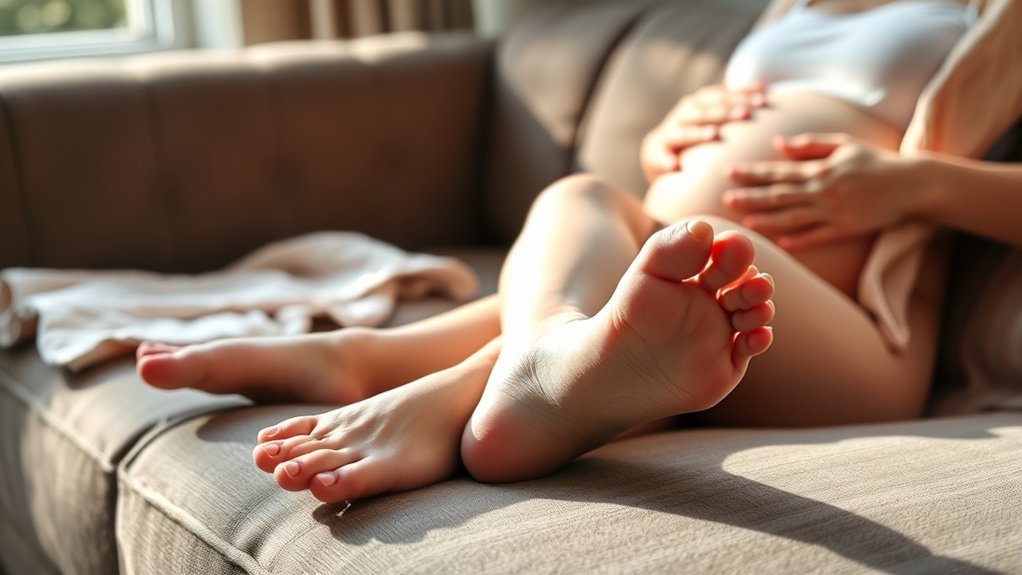
Many expectant mothers believe that only women with higher body weight experience swelling during pregnancy. That belief isn’t accurate.
Edema can affect women of all body types because pregnancy changes hormones, fluid retention, blood volume, and pressure on veins. Genetics, daily activity, diet, and time spent sitting or standing can also affect swelling.
Even women with a healthy weight can notice swelling in the feet, ankles, legs, or hands. The amount can vary from mild puffiness to swelling that feels tight or uncomfortable.
Weight can play a role, but it does not fully explain pregnancy swelling. Hydration, movement, rest, and regular prenatal care can help you manage swelling more safely.
Myth 3: Swelling Can Be Cured With Home Remedies
You might believe that home remedies can fully cure swelling during pregnancy. That idea can be risky because swelling can have more than one cause.
Some comfort steps may reduce swelling for a short time. They do not treat serious causes, such as high blood pressure, preeclampsia, or a blood clot.
You should seek medical advice if swelling feels sudden, severe, painful, or different from your usual pattern. Your provider can check your blood pressure, symptoms, and overall health.
Temporary Relief Techniques
Swelling during pregnancy may improve with simple comfort steps, but these steps are not a cure. Use them as support, not as a replacement for prenatal care.
These methods may help ease discomfort:
- Elevate your legs: Raise your feet when you rest to support fluid return.
- Stay hydrated: Drink enough water to support normal fluid balance.
- Wear compression stockings: Ask your provider if compression stockings fit your situation.
- Reduce excess salt: Choose lower-sodium foods when your provider recommends it.
These steps may help you feel better during the day. Always consult your healthcare provider before trying new remedies, supplements, herbs, or compression products.
Limitations of Home Remedies
Home remedies can feel helpful, but they do not identify why swelling during pregnancy happens. Some remedies may also lack strong safety guidance for pregnancy.
Elevating your feet or changing your diet may ease mild fluid buildup. These steps won’t treat more serious problems, such as gestational hypertension, preeclampsia, or a possible blood clot.
Some herbs, supplements, or extreme diet changes may not suit pregnancy. Ask your provider before using any remedy that changes your diet, medication routine, or daily activity level.
Importance of Medical Advice
For safe swelling management during pregnancy, seek professional medical advice when symptoms worry you. Your provider can check whether swelling fits normal pregnancy changes or needs treatment.
Medical care matters because it can:
- Check for conditions like gestational hypertension or preeclampsia.
- Guide safe treatments for you and your baby.
- Track your blood pressure and other pregnancy warning signs.
- Give personal advice based on your health history.
Relying only on home remedies can delay needed care. Contact your provider when swelling changes quickly or comes with other symptoms.
Myth 4: All Swelling Is the Same
Not all swelling during pregnancy means the same thing. The location, timing, speed, and symptoms around swelling all matter.
You may notice mild swelling, known as edema, in your feet, ankles, legs, or hands. This often happens later in pregnancy and may feel worse after standing.
Sudden or severe swelling, especially in your face or hands, may signal a serious condition like preeclampsia. You should seek medical advice right away if swelling comes with headache, vision changes, upper belly pain, chest pain, or shortness of breath.
Sudden or severe swelling in the face or hands may indicate serious conditions like preeclampsia. Seek immediate medical attention.
Understanding these differences helps you know when to rest and when to call for help. Always tell your healthcare provider about swelling that feels unusual or gets worse quickly.
Warning: Call your healthcare provider right away if swelling comes with severe headache, vision changes, chest pain, shortness of breath, or one-sided leg pain.
Myth 5: You Should Avoid Drinking Water to Reduce Swelling
Many expectant mothers think that reducing water intake can ease swelling during pregnancy. In most cases, drinking enough water supports your overall health and may help your body manage fluid balance.
When you don’t drink enough water, your body may hold onto more fluid. Dehydration can also make you feel worse and may raise your risk of other discomforts.
Keep these points in mind:
- Proper hydration supports healthy circulation.
- Water helps your body manage sodium balance.
- Dehydration can increase pregnancy discomfort.
- Your provider can tell you how much fluid you need each day.
Instead of cutting back on water, focus on steady hydration unless your provider gives different instructions. Call your provider if swelling worsens despite rest and hydration.
Fact: Swelling Can Vary From Woman to Woman
Swelling during pregnancy can vary a lot from one woman to another. Your body, hormones, health history, daily habits, and pregnancy stage all affect how swelling appears.
Some women notice light puffiness only at night. Others deal with more frequent swelling in their feet, ankles, hands, or legs.
Learning your usual pattern helps you spot changes sooner. It also helps you explain your symptoms clearly during prenatal visits.
Individual Body Responses
During pregnancy, swelling, or edema, can show up in different ways. Your body may retain fluid differently from another pregnant woman’s body.
Several factors can influence swelling:
- Genetics: Family patterns may affect how your body holds fluid.
- Activity level: Movement may reduce swelling, while long standing may worsen it.
- Diet: High-sodium meals may increase water retention for some women.
- Weight gain: Pregnancy weight changes may affect pressure on your legs and feet.
These factors do not make swelling your fault. They help explain why your experience may differ from someone else’s.
Hormonal Influence Factors
Hormonal changes during pregnancy can affect fluid retention and swelling. Higher levels of progesterone and estrogen help your body support pregnancy, but they also influence blood volume and fluid balance.
Swelling may become more noticeable later in pregnancy as your uterus grows and puts pressure on veins. Your personal response can also depend on genetics, hydration, diet, activity, and pre-existing health conditions.
These differences explain why some women swell more than others. Personalized care matters because your provider can compare symptoms with your health history.
When to Seek Medical Advice About Swelling
You may wonder whether your swelling fits normal pregnancy changes or points to something more serious. The safest approach is to watch the pattern and report symptoms that feel sudden, severe, or unusual.
Seek medical advice if you experience:
- Sudden swelling in your face or hands.
- Swelling with severe headache or vision changes.
- Pain, redness, warmth, or swelling in one leg.
- Rapid swelling or rapid weight change over a few days.
- Swelling with chest pain, shortness of breath, or upper belly pain.
These symptoms can point to conditions such as preeclampsia or deep vein thrombosis, also called a blood clot. Both need prompt medical attention.
Consult your healthcare provider if your swelling feels unusual or raises any concerns.
Trust your instincts when symptoms change. Clear communication with your provider can help protect your health and your baby’s health.
How to Track Swelling at Home
Tracking swelling can help you notice changes before they feel overwhelming. Check the same areas each day, such as your feet, ankles, hands, and face.
You can write down when swelling appears, what makes it worse, and what helps it improve. Also note symptoms like headache, vision changes, pain, or shortness of breath.
Bring these notes to your prenatal visits. They can help your provider understand your pattern and decide whether you need more testing.
Safe Ways to Ease Mild Pregnancy Swelling
For mild swelling, small daily habits may reduce discomfort. These steps work best when your provider has not found a medical problem.
- Rest with your feet raised when possible.
- Move your legs often if you sit for long periods.
- Wear comfortable shoes that do not squeeze your feet.
- Sleep on your side if your provider recommends it.
- Ask before using compression stockings or supplements.
These steps can’t replace medical care. They can support comfort when swelling follows a mild and expected pattern.
Pro tip: Try short walking breaks and leg elevation during the day if your provider says regular movement is safe for you.
Frequently Asked Questions
Can Swelling Lead to Complications During Labor?
Swelling itself doesn’t usually cause labor complications. Still, swelling can sometimes point to another issue, so tell your provider about sudden, severe, or unusual changes.
How Can I Differentiate Between Normal and Abnormal Swelling?
Normal swelling often builds slowly and affects both feet or ankles. Abnormal swelling may appear suddenly, feel severe, affect your face or hands, or come with headache, vision changes, pain, or shortness of breath.
Does the Position of the Baby Affect Swelling?
Yes, your baby’s position may affect swelling in some cases. Pressure from the growing uterus can slow fluid return from your legs, especially later in pregnancy.
Are There Specific Foods That Can Help Reduce Swelling?
A balanced diet may help your body manage fluid more comfortably. Ask your provider about potassium-rich foods, hydrating fruits, and lower-sodium choices if swelling bothers you.
Can Exercise Influence Swelling Levels During Pregnancy?
Regular, moderate movement may help circulation and reduce mild swelling. Always ask your healthcare provider before starting or changing exercise during pregnancy.
Medical Disclaimer: This article is for informational purposes only and does not constitute professional medical advice. Always consult a qualified doctor, midwife, or healthcare provider before making decisions based on this information.
Conclusion
Swelling during pregnancy is often common, but sudden or severe swelling deserves attention. Watch your symptoms, stay hydrated, rest when you can, and contact your provider when swelling feels unusual. You know your body best, so don’t ignore a change that worries you. Clear action can help you feel safer and more confident during pregnancy.