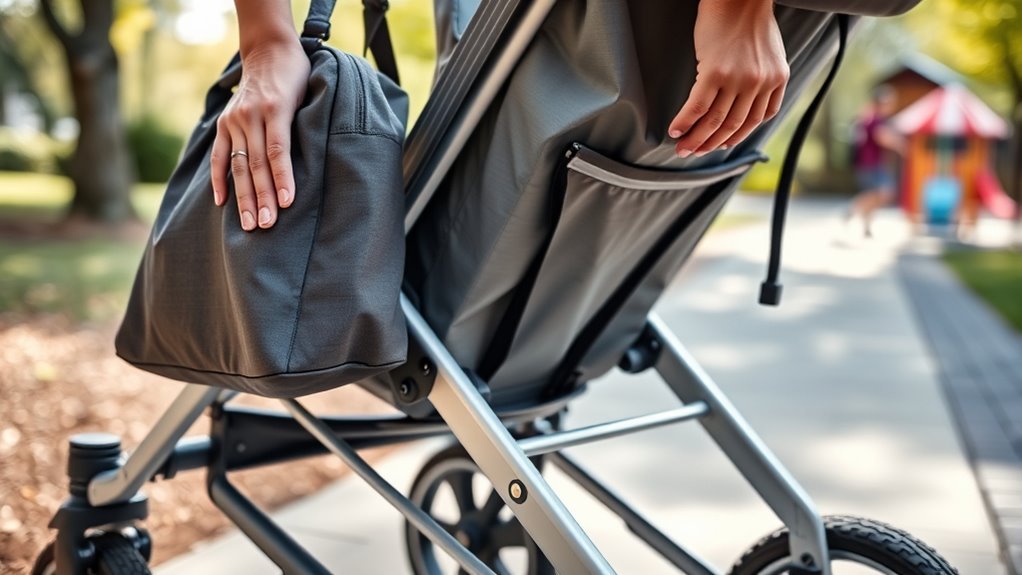
Stroller weight capacity is a hard safety limit, not a guideline, and you should count both your child and any gear in the total load. Frame durability is what keeps that limit reliable, so stronger materials, solid welds, and ASTM-compliant construction matter. Lightweight strollers suit short trips, while full-size models handle heavier use better. If you overload a stroller, you raise tip-over and failure risks, and the details below show you how to choose safely.
How Stroller Weight Limits Work
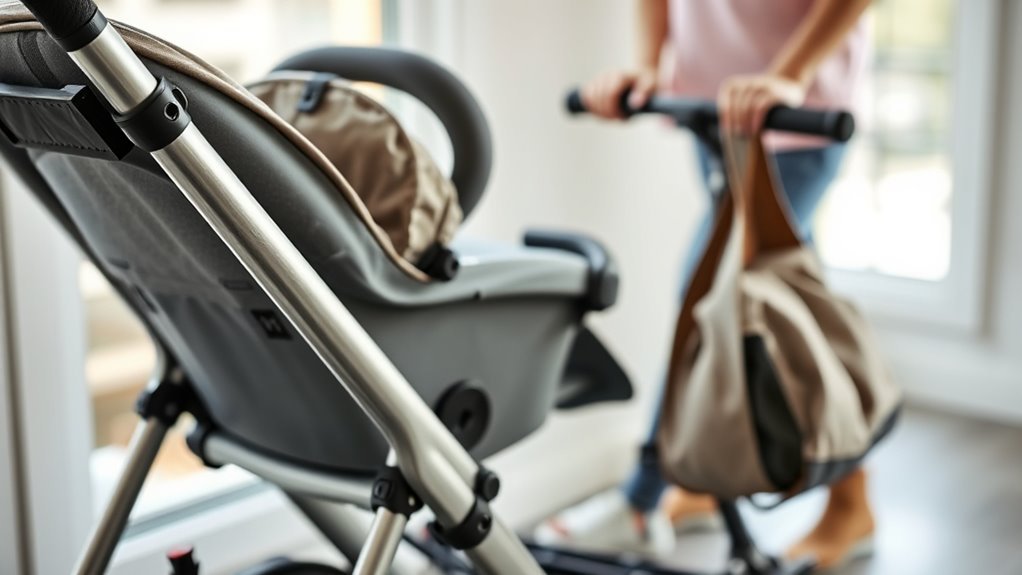
When you look at a stroller’s weight limit, you’re seeing a safety threshold, not a suggestion. You need to read stroller weight limits as engineering data that protects you and your child.
The child’s weight limit tells you how much body mass the frame can carry; total load capacity adds storage weight, diaper bags, toys, and accessories.
Different stroller types set different limits: umbrella models often range from 15 to 50 lbs, full-size models from 50 to 75 lbs, and jogging models from 65 to 100 lbs.
As you approach the limit, stability can drop, especially in higher-speed use.
Check the manufacturer’s specifications every time, because exceeding limits can void warranties and compromise safety features.
You don’t need to accept hidden risk; you can choose a stroller that matches your load, preserves control, and keeps the structure operating within its designed range.
Why Stroller Frame Durability Matters
Your stroller’s frame strength directly affects safety, because a rigid, well-built frame keeps the load stable and lowers tip-over risk.
Material choice matters too: aluminum alloy gives you a strong, lightweight frame, while steel adds strength but increases carry weight.
If you inspect the frame regularly and stay within the manufacturer’s weight limit, you’ll reduce wear, preserve long-term function, and improve performance on uneven terrain.
Frame Strength And Safety
A stroller’s frame is its core load-bearing structure, so its strength and construction directly affect stability, safety, and overall durability. You should treat frame durability as a nonnegotiable safety factor because it determines how well the stroller handles the advertised weight capacity.
Aluminum frames usually give you lighter handling and corrosion resistance, while steel frames can deliver higher strength but need more upkeep. When a stroller meets safety standards like ASTM F833, you get better protection against structural failure.
If you overload it, you raise the risk of tip-overs and mechanical collapse. Inspect frame joints and welds regularly, because hidden wear can weaken the structure before you notice it. That vigilance helps you move with confidence and keep control.
Materials And Long-Term Use
Frame strength sets the baseline, but the material you choose determines how that strength holds up over years of use. For stroller frame durability, you need a frame that matches your weight limits and daily demands.
- Aluminum frames give you portability with solid safety for city errands and travel.
- Steel frames deliver stronger load-bearing capabilities, often 50-75 lbs, for tougher long-term use.
- Durable materials reduce flex, tip risk, and premature wear.
- Regular maintenance protects steel from rust and preserves performance.
When you choose a well-built frame, you protect your child and your budget. You don’t have to accept fragile gear; you can insist on durability that supports freedom of movement and reliable use.
Lightweight Vs Full-Size Strollers
Lightweight strollers usually support about 15 to 50 lbs, so they work well for toddlers and quick outings. However, their aluminum frames and lower load limits make them less durable than full-size models.
When you choose lightweight strollers, you gain portability, yet you also accept tighter weight limits and less frame durability. These designs usually fit short trips and everyday use, but they often give you less storage space and lighter child support than full-size strollers.
Full-size strollers typically handle 50 to 75 lbs, including child and storage, and their robust construction, often with reinforced steel, gives you better stability and longer service life.
If you want frequent use, more features, and a stronger frame, full-size strollers usually serve you better. If you want easy transport and compact handling, lightweight strollers can work, but you should respect their safety hazards and lower capacity.
[Products Worth Considering]

Grows with Your Baby: Designed for every stage, this 2-in-1 stroller seamlessly converts from a newborn mode to a toddler seat with one-hand recline. Includes a car seat adapter compatible with most major infant car seats.

FULL-SIZE, SINGLE STROLLER – Easy-to-use single stroller was designed to simplify travel from infant to toddler.

Grows with Your Baby: Designed for every stage, this 2-in-1 stroller seamlessly converts from a newborn mode to a toddler seat with one-hand recline. Includes a car seat adapter compatible with most major infant car seats.
What Happens When You Overload a Stroller?
When you overload a stroller beyond its rated weight limit, you increase the risk of structural failure, tip-over, and component damage. Excess stroller weight shifts the center of gravity, and that top-heavy load reduces safety fast. You’ll notice poorer maneuverability, harder turning, and longer stopping distances. On inclines, overloaded braking systems can slip or fail, which raises accident risk.
- Frame durability drops as stress points and microfractures build.
- Wheels and joints take extra load and may fail during use.
- Wear components degrade faster with repeated overloading.
- Tip-over risk climbs when the stroller feels unstable.
If you keep pushing past the weight limit, you’re trading control for danger. The stroller won’t respond as designed, and every trip adds hidden damage.
Respect the load rating so you can move freely, keep safety intact, and preserve the structure that holds the system together.
Match Stroller Limits to Your Child

To keep stroller use safe, match the model’s weight rating to your child’s current size and growth stage. Check stroller weight limits against your child’s age, because many children move toward independent walking by ages 3-4, changing how long you’ll need full stroller support.
Read manufacturer specifications in the manual or on the frame, and confirm the weight capacity includes any storage load. Standard umbrella models often support 15-50 lbs, while full-size strollers may handle 50-75 lbs.
You protect frame durability when you stay within limits, since overload can trigger structural failure and tip-over risk. For ideal safety, choose a stroller that fits your child now, not one you hope will last indefinitely.
Prioritize safety and comfort by matching the device to real-world use, then inspect joints and the frame regularly for wear, especially near the limit. Regular inspection helps you catch fatigue early and keep control of the stroller.
[Products Worth Considering]

Weighing under 22 pounds, the Summer by Ingenuity 3Dlite Double Stroller has a lightweight, durable aluminum frame that folds compactly with a convenient carry handle for travel

SWING-OPEN TRAY has extra-deep cup holders for bumpy rides and this lightweight stroller is designed so little ones can’t kick the tray and lose their snacks! It also folds down with the stroller, so feel free to keep it attached

SWING-OPEN TRAY has extra-deep cup holders for bumpy rides and this lightweight stroller is designed so little ones can’t kick the tray and lose their snacks! It also folds down with the stroller, so feel free to keep it attached
Choose the Best Stroller for Daily Use
For daily use, choose a stroller that matches your child’s weight and your routine, because exceeding the stroller’s capacity can reduce stability, comfort, and control. Check stroller weight capacity first, then verify frame durability so you’re not trading freedom for risk.
- Weight range: lightweight strollers usually support 15-50 lbs; full-size strollers often handle 50-75 lbs for child growth.
- Frame choice: robust frame materials matter; aluminum balances portability and strength, while steel boosts load support.
- Cargo needs: select strong storage capacity; full-size models often give 10-15 gallons for daily essentials.
- Fit and control: adjustable features like recline and handlebar height improve comfort, safety, and handling.
When you choose within limits, you protect performance on errands, walks, and transit.
A well-built stroller lets you move confidently, adapt as your child grows, and keep daily use efficient without sacrificing safety or independence.
Frequently Asked Questions
How Strict Are Stroller Weight Limits?
You should treat the weight limit as strict: it reflects safety standards, manufacturer guidelines, stroller types, material quality, usage frequency, child growth, risk factors, and parent experiences. User reviews don’t override it.
What Is the Lifespan of a Stroller?
Your stroller usually lasts 3–8 years, depending on use and care. You’ll extend it with stroller maintenance tips, stroller safety standards, and smart stroller storage solutions; best stroller brands, lightweight stroller options, and accessories help too.
What to Look Out for When Buying a Stroller?
Don’t assume price alone matters: you need stroller features, safety standards, wheel quality, folding mechanisms, storage options, handle height, seat comfort, fabric materials, brand reputation, and customer reviews; you’ll choose freer, safer mobility.
Do Stroller Frames Expire?
No, stroller frames don’t truly expire, but you should monitor stroller materials, frame stability, metal fatigue, plastic degradation, and wear indicators. Follow safety standards, manufacturer guidelines, usage frequency, maintenance tips, and storage conditions to stay safe.
Conclusion
When you choose a stroller, you’re balancing weight capacity and frame durability like a tightrope walker with a safety net. If you match the stroller to your child’s size and your daily load, you keep the frame steady and the ride safe. Ignore the limits, and you risk bending more than metal—you risk stability, control, and peace of mind. Check the specs, respect the structure, and let your stroller carry the load with confidence.
