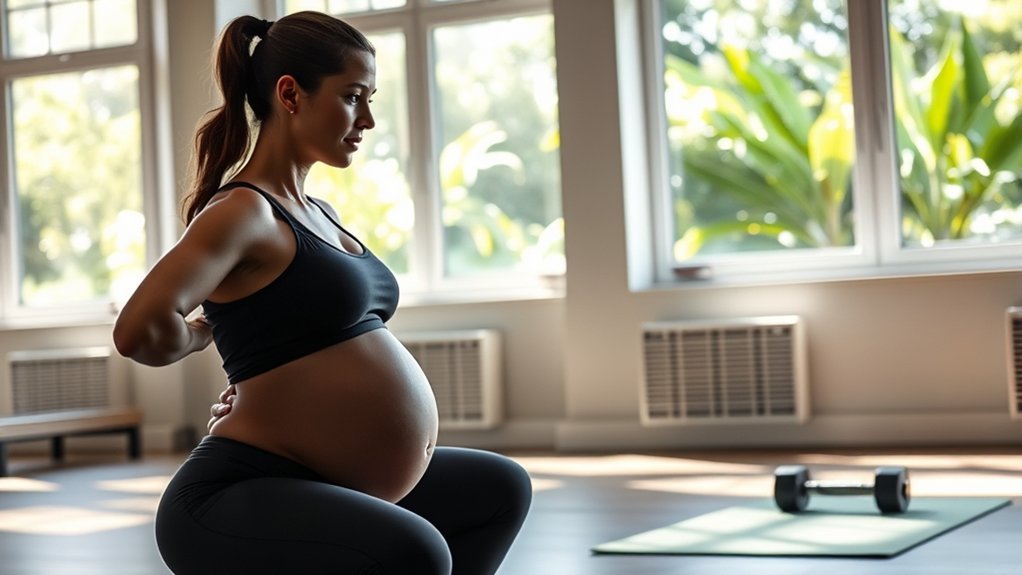
Did you know that about 70% of pregnant women experience back pain? This common discomfort can greatly impact your daily life, but with the right strength training modifications, you can find relief. By adjusting your workout routine to accommodate your changing body, you can enhance your well-being and prepare for the challenges of labor. Let’s explore how tailored exercises can empower you during this transformative time.
Understanding the Benefits of Strength Training During Pregnancy
When you’re pregnant, incorporating strength training into your routine can offer numerous benefits that support both your physical and mental well-being.
Engaging in regular strength exercises helps you maintain muscle tone, which can ease the physical demands of pregnancy and labor. It also promotes better posture, reducing back pain and discomfort.
Moreover, strength training can enhance your energy levels, combating fatigue that often accompanies pregnancy. You’ll find that it also boosts your mood by releasing endorphins, helping to alleviate stress and anxiety.
Additionally, building strength can prepare your body for the challenges of postpartum recovery.
Key Modifications for Safe Workouts
To guarantee your strength training routine is safe and effective during pregnancy, it’s essential to make key modifications based on your changing body. Focus on lighter weights and higher repetitions to build endurance without straining. Emphasize stability and balance, incorporating exercises that strengthen your core and pelvic floor. Additionally, pay attention to your body’s signals and adjust accordingly.
| Modification | Recommendation | Reason |
|---|---|---|
| Reduce Weight | Use 50-70% of your max | Prevents injury |
| Increase Reps | Aim for 12-15 reps | Enhances endurance |
| Avoid Lying Flat | Opt for seated/standing | Reduces pressure on the abdomen |
| Focus on Breathing | Incorporate deep breathing | Supports relaxation and technique |
Exercises to Avoid While Pregnant
When you’re pregnant, it’s essential to be mindful of certain exercises that can pose risks.
High-impact activities, lying on your back, and heavy lifting should be avoided to guarantee your safety and your baby’s.
Understanding these limitations will help you maintain a safe and effective strength training routine during this special time.
High-Impact Activities
Although staying active during pregnancy is important, it’s vital to steer clear of high-impact activities that could pose risks to both you and your baby. High-impact exercises, such as running, jumping, or intense aerobics, can put unnecessary stress on your joints and increase the risk of injury.
Your body undergoes significant changes during this time, and maintaining stability is imperative. Instead, consider low-impact alternatives like swimming, walking, or stationary cycling, which can provide cardiovascular benefits without the jarring effects.
Additionally, avoid sports with a risk of falling or collision, like basketball or soccer. Prioritize your safety and your baby’s health by opting for gentler workouts that support your changing body and keep you active throughout your pregnancy.
Lying on Back
While it’s important to stay active during pregnancy, certain positions, like lying on your back, can become problematic as your body changes. After the first trimester, this position can compress major blood vessels, reducing blood flow to your heart and your baby. You might experience dizziness, shortness of breath, or a drop in blood pressure.
Instead, consider side-lying positions or using a wedge pillow for support. These alternatives can help you maintain core strength without compromising comfort or safety.
Always listen to your body; if something feels off, it’s best to modify your routine. Staying active is beneficial, but prioritizing your and your baby’s well-being is essential.
Consult with your healthcare provider for personalized guidance tailored to your situation.
Heavy Lifting
As your pregnancy progresses, it’s important to recognize that heavy lifting can pose risks to both you and your baby. Engaging in exercises that require significant weight can lead to strain, increased blood pressure, and potential injury.
Your body’s center of gravity shifts, making you more susceptible to falls and accidents. Instead of heavy lifting, focus on lighter weights or resistance bands that allow you to maintain strength without compromising safety.
Consider incorporating bodyweight exercises, which can effectively build strength while reducing risk. Always listen to your body, and if you feel fatigued or uncomfortable, it’s best to stop.
Consult your healthcare provider for personalized advice, ensuring you stay active while prioritizing your health and the well-being of your baby.
Recommended Strength Training Exercises
When it comes to strength training during pregnancy, incorporating a variety of safe and effective exercises can greatly benefit both you and your baby. Focus on movements that enhance your overall strength while being mindful of your body’s changes. Here are some recommended exercises:
| Exercise | Benefits | Modifications |
|---|---|---|
| Bodyweight Squats | Strengthens legs and glutes | Use a chair for support |
| Wall Push-Ups | Works chest and arms | Perform on an incline |
| Seated Rows | Strengthens back | Use resistance bands |
| Side Leg Raises | Strengthens hips and thighs | Hold onto a wall for balance |
| Standing Calf Raises | Strengthens lower legs | Use a sturdy surface for support |
These exercises help maintain strength without excessive strain, ensuring you’re fit and comfortable throughout your pregnancy.
Importance of Core Stability and Pelvic Floor Strength
Maintaining core stability and pelvic floor strength during pregnancy is essential for your overall health and comfort.
A strong core supports your growing belly and helps prevent back pain, while a resilient pelvic floor can ease the birthing process and improve recovery.
Core Stability Benefits
While your body undergoes significant changes during pregnancy, focusing on core stability and pelvic floor strength becomes essential for supporting both your physical health and the development of your baby.
A strong core stabilizes your spine and pelvis, reducing the risk of back pain and improving your posture. This stability is important as your center of gravity shifts, helping you maintain balance and coordination.
Additionally, engaging your core during daily activities can enhance your overall strength, making tasks easier and safer. Strong core muscles also facilitate better breathing and circulation, which are critical during pregnancy.
Pelvic Floor Importance
A strong pelvic floor is just as important as core stability during pregnancy. Your pelvic floor supports your growing baby, helps manage weight gain, and plays an essential role in labor and delivery.
Strengthening these muscles can alleviate common discomforts like back pain and urinary incontinence, allowing you to maintain an active lifestyle. When you engage in targeted pelvic floor exercises, you’re not only enhancing stability but also promoting better posture, which can ease pressure on your spine.
Additionally, a strong pelvic floor aids in recovery post-birth, facilitating a quicker return to your regular activities. Incorporating pelvic floor training into your routine guarantees you’re physically prepared for the demands of motherhood while boosting your overall well-being.
Listening to Your Body: Recognizing Limits
Listening to your body is essential during pregnancy, especially when it comes to strength training. As your body undergoes significant changes, it’s important to be attuned to how you feel during workouts.
Pay attention to any signs of discomfort, fatigue, or pain—these are critical cues. If you notice increased shortness of breath, dizziness, or unusual swelling, stop and reassess.
It’s okay to modify your routine or reduce intensity; your safety and your baby’s health come first. Remember, strength training should empower you, not exhaust you.
Trust your instincts; they’re your best guide. By recognizing and respecting your limits, you’ll create a more enjoyable and effective training experience throughout your pregnancy.
Always consult your healthcare provider for personalized advice.
Incorporating Recovery and Rest Days
Recognizing your limits is just the first step; incorporating recovery and rest days into your strength training routine is equally important.
These days help your body heal, adapt, and grow stronger, especially during pregnancy. Prioritize your well-being by including adequate recovery.
Consider these tips:
- Schedule at least one full rest day each week.
- Listen to your body and take extra days off if you’re feeling fatigued or sore.
- Incorporate light activities, like walking or gentle stretching, on recovery days.
- Ascertain you’re getting enough sleep and proper nutrition to support your recovery.
Seeking Professional Guidance and Support
While guiding strength training during pregnancy, seeking professional guidance and support can greatly enhance your experience and safety.
Consulting a certified prenatal trainer can provide you with tailored workout plans that consider your unique needs and physical changes. They’ll help you focus on proper form, guaranteeing you avoid injury while maximizing benefits.
Additionally, working with a healthcare provider guarantees that your exercise regimen aligns with your overall health and pregnancy progression. They can address any specific concerns or limitations you might have, fostering a supportive environment.
Frequently Asked Questions
Can Strength Training Affect My Baby’s Development During Pregnancy?
Strength training, when done safely and appropriately, can positively impact your baby’s development during pregnancy. It boosts your overall health, supports a healthy weight gain, and may promote better outcomes for both you and your baby.
How Often Should I Strength Train While Pregnant?
You should aim to strength train two to three times a week during pregnancy. Focus on low-impact exercises that target major muscle groups, ensuring you listen to your body and adjust as needed for comfort.
Is It Safe to Lift Heavy Weights During Pregnancy?
Yes, lifting heavy weights can be safe during pregnancy if you’re experienced and listen to your body. For instance, Sarah maintained her routine with lighter weights and proper form, ensuring she stayed strong without overexerting herself.
What Should I Do if I Experience Pain While Exercising?
If you experience pain while exercising, stop immediately and assess the discomfort. Modify your routine, consult a healthcare professional, and listen to your body. Prioritize safety and comfort to guarantee a positive exercise experience.
Can I Continue My Pre-Pregnancy Workout Routine Unchanged?
You wouldn’t drive a race car on a bumpy road, so you shouldn’t continue your pre-pregnancy workout routine unchanged. Listen to your body, adapt exercises, and consult your healthcare provider for safe modifications.
Conclusion
Incorporating strength training modifications during pregnancy can truly be a game changer for your well-being. By focusing on safe exercises and listening to your body, you’re not just preparing for labor but also laying a solid foundation for postpartum recovery. Remember, it’s important to seek professional guidance to tailor your routine to your needs. As you navigate this journey, take it one step at a time, and you’ll find both strength and serenity in the process.

