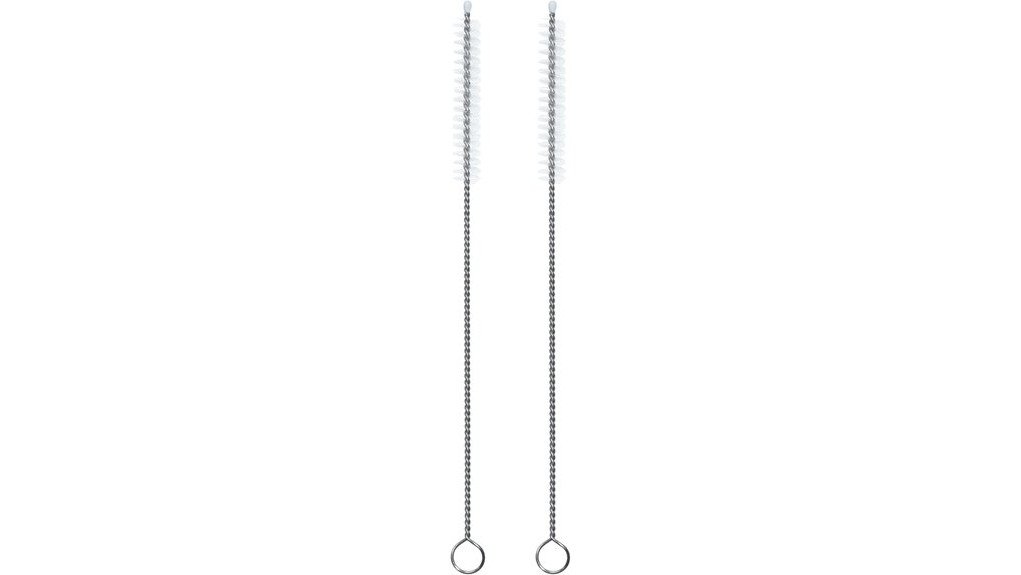
A straw cleaner brush is a simple tool with a narrow profile and flexible nylon bristles designed to remove residue from reusable straws. It works on glass, silicone, and metal without scratching the surface, and the basic motion is straightforward: insert, rotate, and rinse. Its value comes down to cleanliness, durability, and convenience, though the real difference shows up in how it is used and maintained.
Key Takeaways
- Straw cleaner brushes are essential for cleaning reusable straws, narrow tubes, and tight openings effectively.
- Nylon bristles flex into curves while staying stiff enough to remove stubborn residue without damaging surfaces.
- They work well on glass, silicone, and metal straws, plus tea spouts, bottle nipples, and small drains.
- Using them is simple: insert, rotate, rinse, and wash with warm water and mild soap after use.
- Proper drying and storage help prevent moisture buildup and keep the brush sanitary and durable.
What Is a Straw Cleaner Brush?
A straw cleaner brush is a narrow cleaning tool designed to remove residue from the inside of straws, tubes, and other tight openings. It usually has a slim handle and flexible bristles that reach confined spaces without forcing them apart.
Among types of brushes, it serves a specialized role for reusable drinkware, tea pot spouts, bottle necks, and small drains. Common cleaning techniques involve inserting the brush, rotating it, then rinsing away loosened debris.
Its purpose is practical: to support sanitary reuse, reduce waste, and help people maintain control over everyday tools with minimal effort and greater independence.
Why Nylon Bristles Clean Better
Nylon bristles improve cleaning performance because they combine flexibility with enough stiffness to dislodge residue from narrow spaces without damaging the surface.
Their smooth texture reduces snagging, while nylon advantages include resistance to water, soap, and wear, which supports repeated use.
Bristle flexibility lets the brush adapt to curves in glass, silicone, and metal straws, reaching debris that rigid fibers miss.
The result is more thorough cleaning with less effort and less material waste.
For users seeking practical freedom from disposable tools, nylon offers a durable, efficient option that maintains cleaning power over time.
How to Use a Straw Cleaner Brush
To use a straw cleaner brush, the brush is inserted into the straw or narrow tube, then rotated to loosen residue along the interior walls before being pulled out and rinsed clean.
Effective cleaning techniques depend on firm but flexible brush materials, such as nylon bristles and stainless steel wire, which move through tight spaces without excessive force.
After each pass, the brush can be washed with warm water and mild soap, then dried for reuse.
- Rotate steadily, not aggressively
- Rinse until water runs clear
- Store dry to preserve performance
Best Uses for a Straw Cleaner Brush
Straw cleaner brushes are most useful for cleaning narrow, hard-to-reach passages such as reusable straws made of glass, silicone, or metal, where their long nylon bristles and slim 304 stainless steel wire can reach residue without scratching the interior.
They also serve tea pot spouts, bottle nipples, coffee pots, sink drains, and hummingbird feeders, showing versatile applications across household tasks.
For people seeking liberation from disposable habits, they support eco friendly cleaning by extending the life of reusable gear.
Their soft firmness suits delicate surfaces while remaining effective on stubborn buildup, making them practical for daily maintenance and small-scale hygiene.
How to Clean and Store It
After cleaning narrow tubes and delicate straw interiors, the brush itself benefits from simple upkeep. Rinse the nylon bristles with warm water and dish soap, then shake away residue and let it air-dry fully. These maintenance tips help preserve flexibility and limit odors.
Rinse the nylon bristles with warm water and dish soap, then air-dry fully to preserve flexibility and limit odors.
- Inspect the stainless steel wire for bends or debris after each use.
- Store the brush in a dry, open area to prevent moisture buildup.
- Use compact storage solutions, such as a drawer organizer or hanging loop, to keep it separate from dirty tools.
Clean handling extends service life, supports reuse, and keeps cleaning routines independent and efficient.
Frequently Asked Questions
Is the Brush Safe for Stainless Steel Straws?
Yes, it is generally safe for stainless steel straws. Its soft nylon bristles and protective head design reduce scratching. For best results, apply straw maintenance tips and compare brush material comparison before regular use.
Will It Fit Very Narrow Coffee Machine Tubes?
Yes, it likely fits very narrow coffee machine tubes, thanks to its narrow tube compatibility and brush design features. This tiny, mighty cleaner reaches tight spaces, offering practical, reusable, objective performance without unnecessary hassle.
How Many Brushes Come in One Package?
One package contains 10 brushes. Their brush materials combine 304 stainless steel wire and soft nylon bristles, supporting cleaning effectiveness across narrow tubes, straws, and spouts while remaining reusable, practical, and waste-reducing.
Can It Clean Hummingbird Feeder Tubes Effectively?
Yes, it can clean hummingbird feeder tubes effectively; its slender, flexible nylon bristles support hummingbird feeder maintenance and high tube cleaning efficiency, reaching narrow passages without scratching, while the stainless steel core adds durability and control.
Does the Handle Rust After Repeated Washing?
No, the handle is unlikely to rust after repeated washing. Its handle materials are 304 stainless steel, supporting strong rust prevention. For users seeking liberation from disposable tools, that durability offers practical, lasting confidence.
Conclusion
To sum up, a straw cleaner brush remains a practical, low-cost tool for maintaining reusable drinkware. Its narrow shape and nylon bristles help remove buildup from glass, silicone, and metal straws more effectively than rinsing alone. For example, a person using stainless steel straws daily for smoothies can quickly restore hygiene with a few simple passes. With proper rinsing and storage, the brush stays ready for repeated use and supports a cleaner, more sustainable routine.

