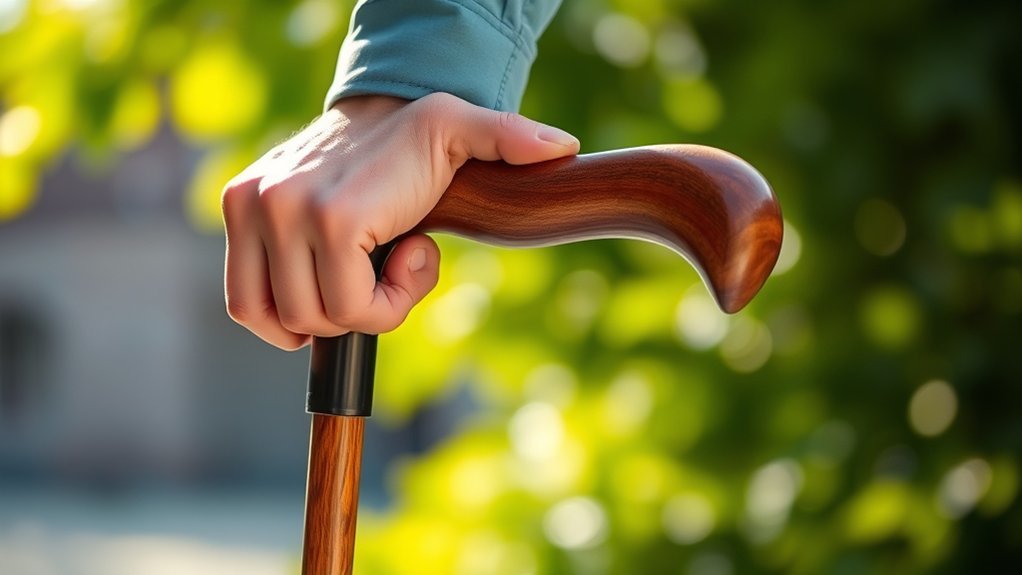
Many believe that standing with support is merely about physical strength, but it’s much more nuanced. The right techniques and mindset can make all the difference in guaranteeing safety and stability. By understanding how to prepare and execute this process effectively, you can foster greater independence. So, what specific steps can you take to guarantee a successful shift from sitting to standing?
Understanding the Importance of Support
When you navigate through challenges, understanding the importance of support can greatly impact your resilience and success. A strong support system provides not just emotional comfort but practical assistance.
It can involve friends, family, or professionals who offer guidance tailored to your specific needs. Their insights can help you identify potential pitfalls and develop strategies to overcome them.
Furthermore, sharing your experiences with supportive individuals fosters a sense of belonging, reducing feelings of isolation. As you face obstacles, remember that seeking help isn’t a sign of weakness; it’s a strategic move towards growth.
Engaging with your support network enables you to remain focused and motivated, ultimately enhancing your ability to tackle the challenges ahead with confidence.
Preparing for a Safe Stand
Having a reliable support system is invaluable as you prepare to face challenges head-on. Start by evaluating your environment—remove any obstacles that could cause tripping or falling.
Make certain you have sturdy furniture or a dedicated support person nearby, ready to assist you. Wear appropriate footwear that provides traction and stability.
Ensure you have reliable support, whether sturdy furniture or a trusted person, and choose footwear that offers traction and stability.
Communicate clearly with your support system about your intentions; they need to know when you’re ready to stand. Practice deep breathing to calm any anxiety, and focus on your posture—keep your back straight and engage your core.
Finally, mentally visualize the process, reinforcing your readiness to stand confidently. These steps lay a solid foundation for a safe and effective standing experience, empowering you to embrace the moment.
Techniques for Standing With Assistance
Before you attempt to stand, it’s crucial to establish a clear plan with your support person. Discuss your preferred method of standing, whether you want to use a transfer belt or their arms for support.
Position your feet shoulder-width apart, guaranteeing your weight is balanced. When you’re ready, lean slightly forward to shift your center of gravity. Your support person should stabilize you by holding onto your belt or arms.
On the count of three, push through your legs and rise. Communicate any discomfort or need for adjustments immediately.
Once standing, take a moment to acclimate to the new position, and make sure your support person remains close to assist if you feel unsteady. This teamwork fosters confidence and safety.
Tips for Maintaining Balance
To maintain balance effectively, it’s essential to engage your core muscles and focus your gaze ahead rather than down at your feet. This helps stabilize your body and enhances your sense of direction.
Try to distribute your weight evenly on both feet; this distributes pressure and prevents tipping. When standing, keep your knees slightly bent, as locked joints can lead to instability.
Utilize your arms for balance—extend them slightly or hold onto a supportive surface if necessary. Also, practice shifting your weight gently from one foot to the other to improve your stability.
Encouraging Independence and Confidence
Building on the foundation of maintaining balance, encouraging independence and confidence is essential for personal growth and well-being. Start by setting realistic goals that challenge but don’t overwhelm you. Break tasks into manageable steps, celebrating each achievement to bolster your self-esteem.
Use positive reinforcement; remind yourself of past successes to foster a growth mindset. Incorporate regular practice of skills in safe environments, gradually increasing complexity as your comfort grows. Surround yourself with supportive individuals who encourage risk-taking and resilience.
Don’t shy away from mistakes—they’re opportunities for learning. Finally, engage in activities that promote self-efficacy, such as problem-solving exercises or hobbies. By nurturing these qualities, you’ll cultivate a sense of autonomy and enhanced confidence in your abilities.
Frequently Asked Questions
What Types of Support Devices Are Available for Standing Assistance?
You’ve got several options for standing assistance, including grab bars, transfer boards, lift chairs, and standing frames. Each device offers unique benefits, helping you maintain independence while providing the necessary support for safe standing.
How Can Caregivers Best Assist Someone When Standing?
You should position yourself close, offering a steady grip while encouraging the person to shift weight. Use verbal prompts for motivation, and guarantee their feet are planted firmly before assisting with gradual upward movement.
What Should I Do if I Feel Unsteady While Standing?
If you feel unsteady while standing, don’t panic. Focus on your breath, widen your stance, and engage your core. If it persists, sit down and seek help—your safety’s the priority, so trust your instincts.
Are There Specific Exercises to Improve Standing Ability?
Yes, specific exercises like heel raises, balance training on one leg, and gentle squats can enhance your standing ability. Incorporate these into your routine, and you’ll gradually build strength, stability, and confidence in your balance.
How Can I Assess if Someone Is Ready to Stand Independently?
To assess readiness for independent standing, observe their balance, strength, and confidence. Look for controlled movements, minimal assistance needs, and willingness to try. Each successful attempt hints at their growing independence and capability.
Conclusion
In standing with support, you’ve built a bridge to independence, one step at a time. Just like a young tree needing a stake to grow upright, you too can find strength in support as you rise. Each time you practice, you reinforce your balance, confidence, and ability to stand on your own. Embrace the process, celebrate your progress, and remember that every successful stand is a proof of your resilience and determination to thrive.

