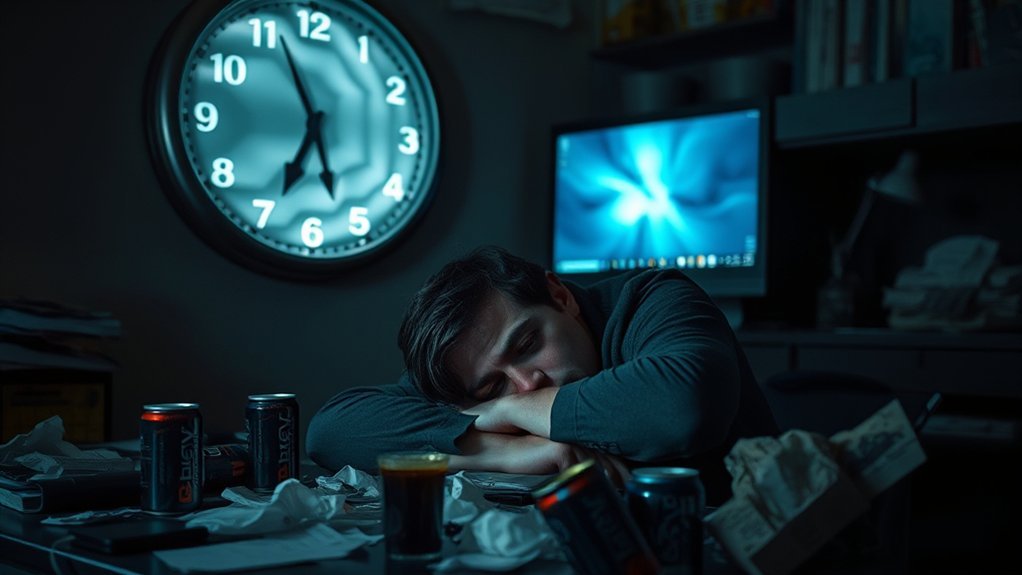
Sleep deprivation affects your mood more than you might realize. Many assume they can recover lost sleep over the weekend, but this belief often leads to greater emotional instability. It’s not just about the quantity of sleep; the quality matters too. Both adults and children face increased irritability and anxiety due to insufficient sleep. Understanding these dynamics is essential, especially when considering the long-term implications on emotional regulation. What are the real facts behind these myths?
Understanding Sleep Deprivation: The Basics
While you may underestimate the importance of sleep, understanding sleep deprivation is vital for recognizing its effects on your mood and overall well-being.
Sleep deprivation occurs when you consistently fail to get enough restorative sleep, which can lead to cognitive impairments, emotional instability, and physiological changes. Research shows that lack of sleep affects neurotransmitters, altering your brain’s chemistry and diminishing your ability to regulate emotions.
Studies indicate that individuals with chronic sleep deprivation report higher levels of anxiety and depression. Moreover, sleep deprivation disrupts the body’s hormonal balance, impacting stress hormones like cortisol.
Common Myths About Sleep and Mood
Many people hold misconceptions about the relationship between sleep and mood, leading to misunderstandings that can impact their mental health.
One common myth is that you can “catch up” on sleep during the weekend, but research shows that inconsistent sleep patterns can still affect your mood negatively.
Another misconception is that sleep deprivation only causes fatigue; in reality, it can lead to irritability and heightened stress levels.
Some believe that simply getting more sleep will resolve mood issues, but the quality of sleep is equally important.
Finally, many think sleep deprivation only affects adults, while studies indicate that it impacts children and adolescents as well, influencing their emotional well-being and behavior.
Understanding these myths is essential for maintaining mental health.
The Science of Sleep Deprivation and Emotional Regulation
Sleep deprivation considerably alters brain function, affecting areas responsible for emotional regulation.
You might notice hormonal changes that further complicate your mood, as cortisol levels rise and serotonin production decreases.
Understanding these impacts can help you recognize the importance of adequate sleep for maintaining emotional stability.
Impact on Brain Function
As you navigate through daily challenges, it’s vital to understand how sleep deprivation impacts brain function, particularly in emotional regulation.
Research shows that insufficient sleep disrupts the prefrontal cortex, the area responsible for decision-making and impulse control. This leads to heightened emotional reactivity and impaired judgment.
Additionally, sleep deprivation affects the amygdala, which processes emotions, resulting in increased anxiety and irritability.
Studies indicate that even one night of inadequate sleep can diminish your ability to manage stress and regulate emotions effectively.
Moreover, chronic sleep loss can contribute to mood disorders, such as depression and anxiety.
Essentially, prioritizing sleep is significant for maintaining balanced emotional health and ideal brain function.
Hormonal Changes Explained
When you experience sleep deprivation, your body undergoes significant hormonal changes that can directly affect your emotional regulation.
Cortisol levels typically rise, triggering stress responses that can lead to irritability and heightened anxiety. Simultaneously, the production of serotonin and dopamine, neurotransmitters vital for mood stabilization, decreases. This imbalance may result in feelings of sadness or frustration.
Additionally, sleep deprivation can alter your levels of ghrelin and leptin, hormones that regulate appetite and satiety; this can lead to increased cravings for unhealthy foods, further impacting mood.
Research indicates that these hormonal fluctuations create a cycle, where emotional instability reinforces poor sleep patterns, making it essential to prioritize restorative sleep for better hormonal balance and emotional health.
Short-Term Vs Long-Term Effects on Mood
Sleep deprivation can lead to immediate emotional disturbances, such as irritability and heightened anxiety, affecting your daily interactions.
However, the long-term psychological consequences may manifest as chronic mood disorders or increased susceptibility to depression.
Understanding these differences is essential for addressing both short-term discomfort and long-term mental health risks.
Immediate Emotional Impact
Although the effects of sleep deprivation can manifest immediately, their impact on mood varies considerably between short-term and long-term circumstances.
In the short term, you might experience heightened irritability, anxiety, or stress. Research shows that even one night of poor sleep can lead to increased emotional volatility, making you more reactive to daily stressors. Your cognitive functions, like decision-making and impulse control, also suffer, which can exacerbate negative feelings.
In contrast, while short-term effects are often acute, they can set the stage for longer-lasting emotional disturbances if sleep deprivation persists. Therefore, getting adequate sleep is essential for maintaining emotional stability, as immediate impacts can ripple through your mood and overall well-being if not addressed promptly.
Long-Term Psychological Consequences
Chronic sleep deprivation not only compounds the immediate emotional effects but also leads to profound long-term psychological consequences.
You may find that persistent lack of sleep increases your risk for mood disorders, such as depression and anxiety. Research indicates that individuals with chronic sleep issues exhibit altered brain function, particularly in areas regulating emotional responses.
Over time, this can result in a diminished ability to cope with stress and a heightened sensitivity to negative stimuli. Additionally, impaired cognitive function, stemming from sleep deprivation, can exacerbate feelings of hopelessness and irritability.
Strategies to Mitigate Mood Impacts From Lack of Sleep
When you’re grappling with the effects of sleep deprivation on your mood, implementing effective strategies can make a significant difference.
First, prioritize hydration; studies show that even mild dehydration can negatively impact mood.
Next, consider engaging in regular physical activity, as exercise releases endorphins and helps reduce stress.
Additionally, practicing mindfulness or meditation can provide emotional balance and enhance self-awareness, which may help mitigate mood swings.
Try to limit caffeine intake, especially in the afternoon, as it can disrupt sleep patterns.
Finally, maintain social connections, as interacting with supportive friends or family can improve your emotional state.
The Importance of Healthy Sleep Habits for Emotional Well-Being
Healthy sleep habits are essential for maintaining emotional well-being, as insufficient sleep can disrupt mood regulation and exacerbate feelings of anxiety and depression.
Prioritizing your sleep can lead to significant improvements in your emotional health. Here are some key aspects to contemplate:
- Consistency: Going to bed and waking up at the same time helps regulate your body’s internal clock.
- Environment: A dark, quiet, and cool bedroom promotes better sleep quality.
- Limit Stimulants: Reducing caffeine and screen time before bed can enhance your ability to fall asleep.
- Relaxation Techniques: Practices like meditation or deep breathing can help ease the shift to sleep.
Frequently Asked Questions
Can Sleep Deprivation Lead to Long-Term Mental Health Disorders?
Yes, sleep deprivation can lead to long-term mental health disorders. Chronic lack of sleep affects brain function and mood regulation, increasing the risk of conditions like anxiety and depression over time. Prioritize your sleep health.
How Does Caffeine Consumption Affect Mood During Sleep Deprivation?
When you’re burning the candle at both ends, caffeine might temporarily lift your mood, but it can also lead to crashes and increased anxiety. Relying on it during sleep deprivation often exacerbates feelings of fatigue and irritability.
Are Certain Sleep Disorders Linked to Mood Swings?
Yes, certain sleep disorders, like insomnia and sleep apnea, are linked to mood swings. When you experience disrupted sleep, your emotional regulation can suffer, leading to increased irritability and anxiety. Prioritizing treatment can help stabilize your mood.
Does Napping Help Alleviate Mood Issues From Sleep Deprivation?
Napping can seem like a magical cure for mood issues, but it’s not always effective. Short naps may improve your mood temporarily, yet they won’t replace the restorative power of consistent, quality sleep.
How Do Age and Gender Influence Sleep Deprivation Effects on Mood?
Age and gender greatly influence how sleep deprivation affects your mood. Older adults often experience mood swings differently than younger individuals, while women may report more emotional distress than men due to hormonal fluctuations during sleep loss.
Conclusion
Ultimately, understanding the intricate relationship between sleep deprivation and mood is essential for emotional well-being. Just as a car runs poorly on low fuel, your mood falters when sleep is insufficient or of poor quality. By dispelling myths and adopting effective sleep strategies, you can enhance your emotional regulation and overall health. Prioritizing consistent, restorative sleep isn’t just a luxury—it’s a necessity for maintaining a stable mood and fostering resilience against daily stressors.

