Did you know that nearly one in three Americans struggle with sleep comfort due to various underlying causes? Factors like mattress quality, room environment, and personal habits play a significant role in how well you sleep. Unpacking these influences can reveal essential insights into your own sleep patterns. What might be impacting your rest more than you realize? Understanding these elements could be the key to enhancing your overall well-being.
Understanding Sleep Comfort
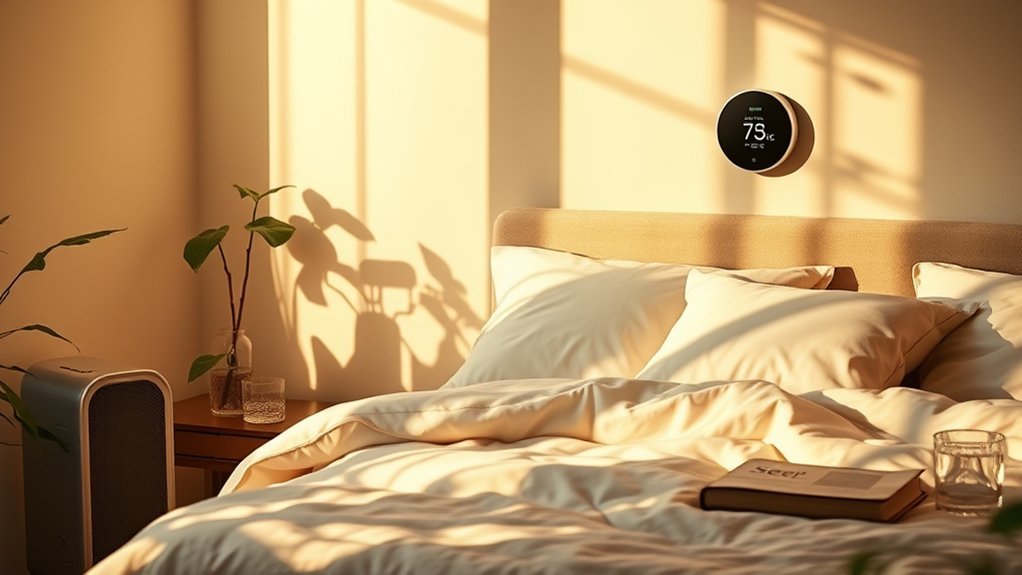
When you think about sleep comfort, it’s essential to recognize that it goes beyond just a cozy mattress or soft sheets. Factors such as room temperature, noise levels, and even the lighting in your bedroom greatly impact your ability to relax and fall asleep.
You might find that a cooler environment promotes better sleep, while excessive noise can disrupt your rest. Moreover, your bedtime routine plays a vital role; establishing a calming pre-sleep ritual can signal your body it’s time to wind down.
Additionally, personal preferences, like pillow firmness and sleep position, can’t be overlooked. By understanding these elements, you can create a sleep environment tailored to your needs, ultimately enhancing your overall sleep experience and well-being.
Common Causes of Sleep Discomfort
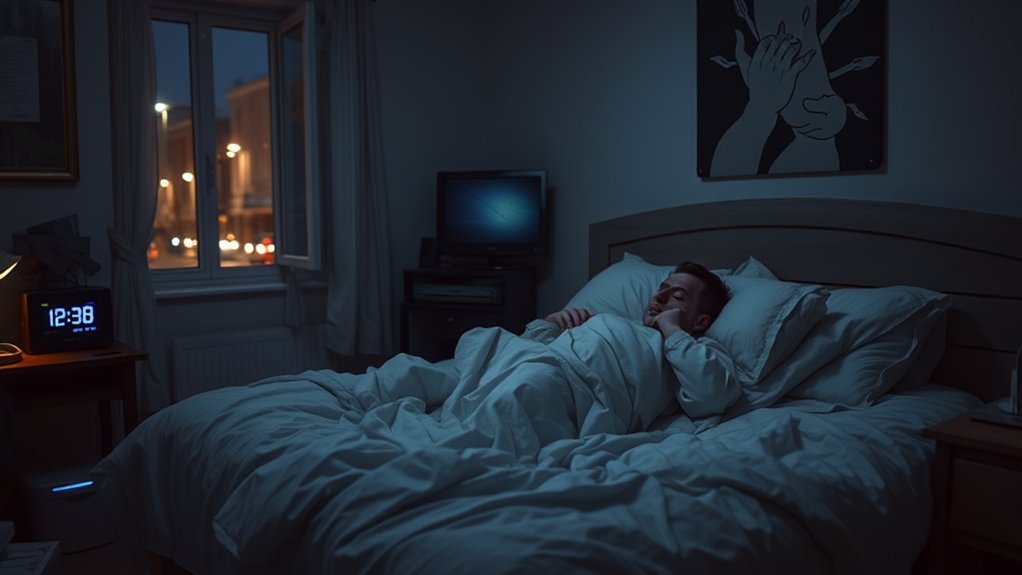
Creating a comfortable sleep environment can be challenging, especially when various factors contribute to discomfort. One common cause is your mattress or pillow. If they’re too soft, too firm, or worn out, you may struggle to find a restful position.
Additionally, personal health issues, like chronic pain or sleep disorders, can disrupt your comfort. Stress and anxiety also play significant roles, often leading to restless nights.
Another aspect to examine is your sleep routine; inconsistent sleep schedules can throw off your body’s internal clock.
Finally, habits like excessive screen time before bed can hinder your ability to unwind. By identifying these issues, you can take steps to improve your sleep quality and overall comfort.
Environmental Factors Affecting Sleep
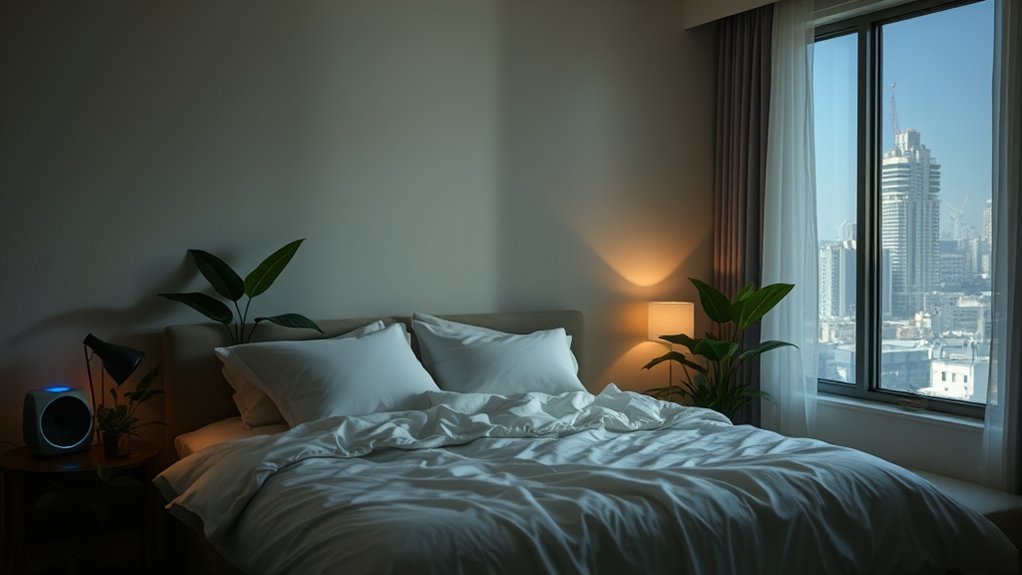
Your sleep environment plays an essential role in how well you rest each night.
Noise pollution can disrupt your sleep cycle, while exposure to unwanted light can hinder your ability to fall and stay asleep.
Understanding these factors can help you create a more conducive space for quality sleep.
Noise Pollution Impact
Although the hustle and bustle of daily life is often unavoidable, the impact of noise pollution on sleep quality can be profound. You mightn’t realize it, but sounds from traffic, construction, or even loud neighbors can disrupt your sleep cycle.
These disturbances not only make it harder for you to fall asleep but can also lead to fragmented sleep, reducing the restorative effects of rest. Chronic noise exposure can heighten stress levels, contributing to anxiety and fatigue. Your body may struggle to shift through the necessary sleep stages, leaving you feeling tired and unrefreshed.
Addressing noise pollution with soundproofing measures or white noise machines can greatly improve your sleep environment, promoting better health and well-being.
Light Exposure Effects
Light exposure plays an essential role in regulating your sleep-wake cycle, often without you even realizing it. The natural light around you influences melatonin production, which is vital for quality sleep.
Consider these common light exposure effects:
- Artificial light can confuse your body’s internal clock.
- Screen time before bed suppresses melatonin, making it harder to fall asleep.
- Streetlights or other external bright sources disrupt your sleep environment.
- Blue light from devices is particularly harmful in the evening.
- Daylight exposure during the day helps promote better sleep at night.
Being mindful of your light exposure can greatly impact your sleep quality.
Lifestyle Choices Impacting Sleep Quality
While many factors influence sleep quality, lifestyle choices often play a significant role that can’t be overlooked. Your daily habits and routines can either promote restful sleep or lead to disturbances. Consider the following table that summarizes key lifestyle choices and their impacts on sleep:
| Lifestyle Choice | Positive Impact on Sleep | Negative Impact on Sleep |
|---|---|---|
| Regular Exercise | Improves sleep efficiency | Can cause overstimulation if done late |
| Balanced Diet | Enhances overall health | Heavy meals before bed can disrupt sleep |
| Limited Screen Time | Promotes relaxation | Blue light can hinder melatonin production |
| Consistent Sleep Schedule | Regulates body clock | Irregular hours can confuse your circadian rhythm |
| Mindfulness Practices | Reduces stress | Lack of relaxation techniques can increase anxiety |
Psychological Influences on Sleep Patterns
Your mental state plays an essential role in how well you sleep.
Stress and anxiety can keep your mind racing, making it hard to relax, while depression often disrupts your sleep patterns altogether.
Understanding these psychological influences can help you identify potential barriers to your sleep comfort.
Stress and Anxiety Effects
Stress and anxiety can considerably disrupt sleep patterns, often leading to a cycle that exacerbates both mental and physical health. When you’re feeling overwhelmed, your mind races, making it difficult to settle down at night. This tension not only affects how long it takes to fall asleep but also the quality of your rest.
Consider these factors:
- Increased heart rate and tension
- Racing thoughts preventing relaxation
- Heightened cortisol levels disrupting sleep cycles
- Nightmares or restless sleep
- Difficulty waking up refreshed
Recognizing how stress and anxiety impact your sleep is essential. By addressing these feelings, you can take steps to improve your overall sleep quality, helping to restore balance to your life.
Depression and Sleep Disruption
Depression significantly influences sleep patterns, often resulting in a complex interplay of insomnia and hypersomnia. You might find yourself struggling to fall asleep or stay asleep, feeling restless as your mind races with negative thoughts.
Conversely, you could also experience excessive sleepiness, using sleep as an escape from emotional pain. This disruption isn’t just frustrating; it can exacerbate your depressive symptoms, creating a vicious cycle.
Understanding this connection is essential for addressing your sleep issues. By recognizing how depression impacts your rest, you can take proactive steps, like seeking therapy or practicing good sleep hygiene.
Health Conditions Linked to Sleep Issues
While many people might underestimate the impact of sleep on overall health, a variety of medical conditions are closely linked to sleep issues. Poor sleep can exacerbate existing health problems and even contribute to new ones.
Here are some key conditions often associated with sleep disturbances:
- Obesity: Hormonal imbalances caused by lack of sleep can increase appetite.
- Diabetes: Sleep deprivation can affect insulin sensitivity, raising blood sugar levels.
- Cardiovascular Disease: Sleep issues can lead to increased blood pressure and heart strain.
- Anxiety Disorders: Poor sleep can heighten feelings of anxiety and stress.
- Chronic Pain: Insufficient rest can amplify pain perception, making recovery harder.
Understanding these connections is essential for improving your overall health and well-being.
Strategies for Improving Sleep Comfort
To enhance your sleep comfort, it’s essential to adopt effective strategies that prioritize both your physical and mental well-being.
Start by creating a consistent sleep schedule, going to bed and waking up at the same time daily. Optimize your sleep environment; keep your bedroom cool, dark, and quiet. Invest in a comfortable mattress and pillows that suit your sleeping style.
Limit screen time an hour before bed, as blue light can disrupt your natural sleep cycle. Incorporate relaxation techniques like deep breathing or meditation to calm your mind.
Finally, be mindful of your diet; avoid heavy meals, caffeine, and alcohol close to bedtime. By implementing these strategies, you can foster a more restful and rejuvenating sleep experience.
Frequently Asked Questions
How Does Age Affect Sleep Comfort and Quality?
As you age, your sleep patterns often change, leading to lighter sleep, more awakenings, and decreased overall quality. You might find it harder to fall asleep or stay asleep, impacting your overall well-being.
Can Diet Impact Sleep Comfort Levels?
Think of your diet as a well-tuned instrument; if you feed it junk, the music’s off. Yes, what you eat can considerably impact your sleep comfort, affecting your body’s ability to relax and recharge.
What Role Do Medications Play in Sleep Discomfort?
Medications can considerably affect your sleep comfort. Some might induce drowsiness, while others disrupt your sleep cycle. It’s important to discuss any side effects with your doctor to find the best solution for your needs.
How Can Technology Disrupt Sleep Patterns?
Ironically, the devices meant to connect you often disrupt your sleep. Blue light exposure, notifications, and constant engagement keep your mind racing, making it hard to unwind and embrace a restful night. You deserve better.
Are There Specific Sleep Positions That Improve Comfort?
Yes, specific sleep positions can enhance comfort. Side sleeping often reduces pressure on your spine, while back sleeping maintains alignment. Experiment with pillows for support, as finding the right position can greatly improve your overall sleep quality.
Conclusion
Improving your sleep comfort is key to enhancing your overall well-being. By addressing environmental factors like noise and investing in a quality mattress, you can create a restful space. For example, consider Sarah, who struggled with insomnia due to her old mattress and bright streetlights outside. After upgrading her bedding and using blackout curtains, she experienced significant improvements in her sleep quality. By making these changes, you too can foster better sleep habits and enjoy a more restorative night’s rest.