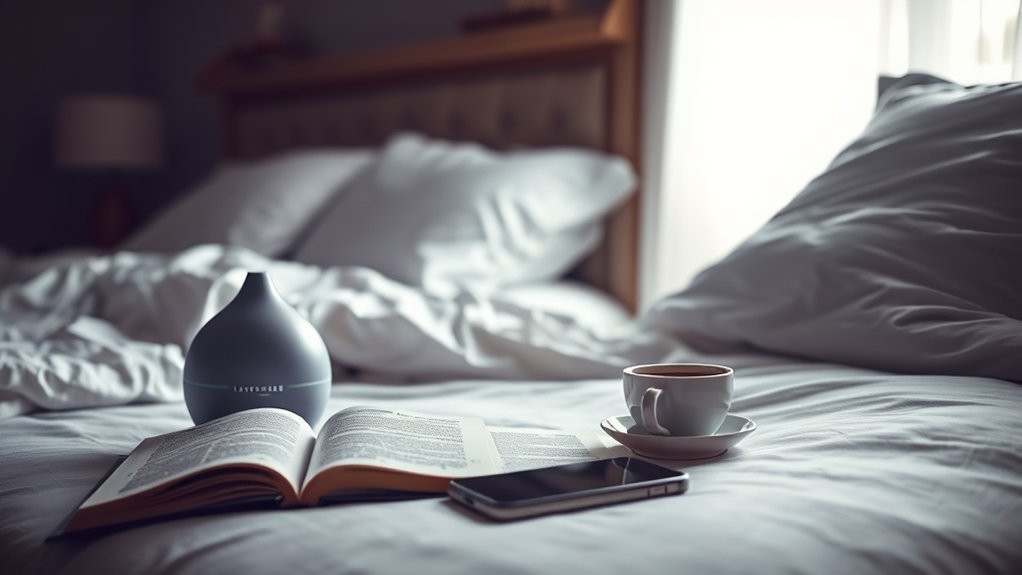
Understanding Sleep Associations
If bedtime feels hard night after night, your brain may link sleep with the wrong cues. Sleep associations can help you rest, but they can also keep you awake when your routine changes. This guide explains the do’s and don’ts of building healthy sleep habits so you can create a calmer path to better rest.
Quick Answer
Healthy sleep associations are simple cues that tell your brain it’s time to rest. A steady bedtime, a calm room, and a screen-free wind-down routine can make sleep easier. Late caffeine, bright screens, and stressful bedtime habits can make sleep harder.
Key Takeaways
- Use the same calming cues each night to help your brain prepare for sleep.
- Keep your bedroom cool, dark, quiet, and comfortable.
- Avoid screens, work email, and late caffeine close to bedtime.
- Get out of bed briefly if you can’t fall asleep after a while.
- Build changes slowly, since sleep habits often improve with steady practice.
What Are Sleep Associations?
Sleep associations are the mental links your brain forms between certain cues and falling asleep. These cues may include your bedroom, sounds, smells, lighting, or bedtime activities.
Over time, your brain learns to connect these cues with rest. Helpful cues can make sleep feel easier and more natural.
Some sleep associations can cause problems. For example, you may struggle to sleep without the television, your phone, or a very specific setting.
Understanding your sleep associations matters because they can affect your overall sleep quality. Once you know which cues help or hurt, you can build a better sleep routine.
The Do’s of Creating Healthy Sleep Associations
Healthy sleep associations start with small cues that stay the same each night. These cues tell your body and mind that bedtime has arrived.
Focus on a steady sleep space and a calming pre-sleep routine. These habits can support better rest without making bedtime feel stressful.
Keep a Consistent Sleep Environment
A consistent sleep environment helps your body learn when it’s time to wind down. Your room should feel calm, safe, and easy to rest in.
Choose a comfortable mattress and pillows that support your sleep style. Keep your bedroom dark, quiet, and cool when possible.
Follow a regular schedule by going to bed and waking up at about the same time each day. Try to keep this pattern on weekends too.
Limit exposure to screens and bright lights before bedtime. Bright light can make your body feel more alert when you want to relax.
Reserve your bed for sleep and intimacy only. This helps your brain link your bed with rest instead of work, stress, or scrolling.
Build a Calming Pre-Sleep Routine
A calming pre-sleep routine can help you unwind before bed. When you repeat soothing activities, your body gets a clear sleep signal.
| Do’s | Benefits |
|---|---|
| Dim the lights | Supports a calmer bedtime mood |
| Engage in gentle stretching | Relieves tension and stress |
| Read a book | Shifts your mind away from daily worries |
| Listen to calming music | Helps lower stress and quiet your mind |
Use the same routine most nights for the best effect. The more steady your routine feels, the stronger your sleep cue can become.
Pro tip: Keep your routine simple so you can follow it even on busy nights.
The Don’ts of Creating Healthy Sleep Associations
Some bedtime habits can train your brain to stay alert instead of rest. These habits may seem harmless, but they can weaken your sleep routine.
Start by watching your screen time and caffeine timing. Both can make it harder to fall asleep when your body needs rest.
Avoid Screen Time Close to Bed
Screen time can affect sleep quality when you use devices too close to bedtime. Bright screens and engaging content may keep your mind active.
Set clear limits around your devices before bed. Use quiet, low-stress activities instead.
| Activity | Impact on Sleep | Recommended Alternative |
|---|---|---|
| Watching TV | Can feel stimulating | Read a book or listen to calm music |
| Scrolling Social Media | May increase stress or worry | Journal or meditate |
| Playing Video Games | Can raise alertness | Try gentle stretching or yoga |
| Checking Emails | Can trigger work stress | Prepare for the next day calmly |
Skip Late Caffeine Intake
If you want to improve your sleep associations, avoid caffeine late in the day. Caffeine can stay active for hours and make sleep harder.
Use these tips to help improve your sleep quality:
- Limit caffeine to earlier parts of the day.
- Choose decaffeinated drinks in the afternoon and evening.
- Remember that chocolate may contain caffeine.
- Check energy drinks and some medicines for hidden caffeine.
- Drink water or caffeine-free herbal tea instead.
How to Establish a Relaxing Bedtime Routine
A relaxing bedtime routine can improve sleep quality because it tells your body to slow down. Your routine does not need to be long or complex.
Start with a consistent bedtime that allows enough time for rest. Then choose calming activities, such as reading, stretching, or quiet breathing.
Limit screen time at least an hour before bed when you can. Lower light levels can help your body prepare for sleep.
You can also use mindfulness or meditation techniques to calm your thoughts. Warm baths or herbal teas may help some people relax.
Keep your routine steady, even on weekends. A steady rhythm makes bedtime feel more natural over time.
How Your Environment Affects Sleep Quality
Your sleep environment plays a strong role in how well you rest. Small details in your bedroom can support relaxation or make sleep harder.
To support better sleep, check these parts of your room:
- Lighting: Keep your space dim and avoid bright screens before bed.
- Temperature: Keep your room cool and comfortable for your body.
- Noise: Use a white noise machine or earplugs if sounds disturb you.
- Bedding: Choose a mattress and pillows that support your sleep position.
- Clutter: Keep your room tidy to reduce stress before bed.
Note: A perfect bedroom is not required, but small changes can make sleep feel easier.
Tips for Overcoming Poor Sleep Associations
To break poor sleep associations, first notice which habits keep you alert. Common triggers include screens, stress, late caffeine, and using your bed for work.
Create a consistent bedtime routine that tells your body it’s time to wind down. Avoid screens before bed and choose quiet activities instead.
Try reading, deep breathing, or light stretching. These activities can help replace habits that keep your mind busy.
If you lie awake and feel frustrated, get out of bed for a short time. Do something quiet and low light until you feel sleepy again.
Be patient with yourself. Sleep habits can take time to change, but steady practice can help you build healthier sleep habits.
When to Get Extra Help With Sleep Problems
Some sleep problems need more support than a better routine. Speak with a qualified health professional if sleep issues last for weeks or affect daily life.
You should also seek help if you snore loudly, gasp during sleep, feel very sleepy during the day, or feel anxious at bedtime. These signs may need proper medical review.
Warning: Don’t ignore ongoing sleep problems that affect your mood, safety, work, or daily routine.
Frequently Asked Questions
Can Sleep Associations Change Over Time?
Yes, sleep associations can change over time. As your lifestyle, environment, and needs shift, your sleep habits may also change.
You can build new cues by repeating a calm bedtime routine. Give your body time to adjust before judging whether a change works.
Do Sleep Associations Impact Children Differently Than Adults?
Yes, sleep associations can affect children differently than adults. Children often depend more on comfort cues, routines, and caregiver support.
Adults may adapt more easily when sleep settings change. A steady routine can still help both children and adults rest better.
How Do Sleep Associations Affect Mental Health?
Sleep associations can affect your mental health by shaping how easily you relax at night. Helpful cues may support better rest and a calmer mood.
Poor sleep cues can increase bedtime stress and make sleep feel harder. Over time, poor sleep may affect focus, emotions, and daily energy.
Are There Cultural Differences in Sleep Associations?
Yes, culture can shape sleep associations. Family routines, sleeping spaces, bedtime rituals, and beliefs about rest can differ across cultures.
These patterns may affect how you prepare for sleep. Choose habits that feel calm, safe, and realistic for your home.
Can Food or Drink Influence Sleep Associations?
Yes, food and drink can influence your sleep associations. Caffeine, large meals, or sugary snacks near bedtime may make sleep harder for some people.
Calmer evening choices, such as water or caffeine-free herbal tea, may support a better routine. Pay attention to how your body responds.
Medical Disclaimer: This article is for informational purposes only and does not constitute professional medical advice. Always consult a qualified doctor before making decisions based on this information.
Conclusion
Healthy sleep associations work best when your cues stay simple, calm, and consistent. Start with one change, such as reducing screen time or setting a steady bedtime.
Build from there as your routine feels easier. With patience and steady practice, you can make bedtime calmer and wake up feeling more refreshed.

