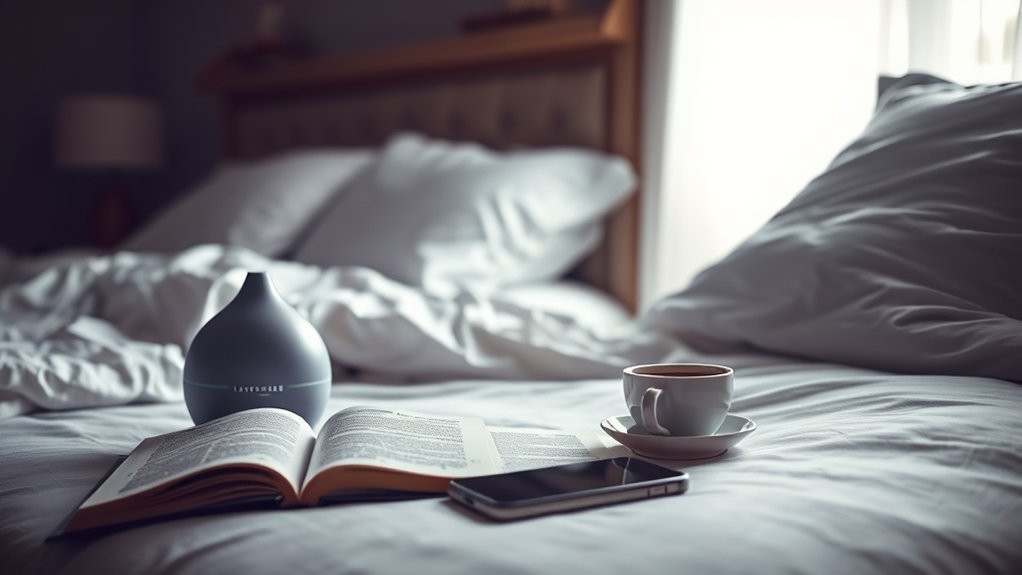
Sleep is like a gentle tide that ebbs and flows, shaping our well-being. If you’re struggling to drift off or stay asleep, it’s likely tied to your sleep associations. By understanding the do’s and don’ts of creating healthy sleep habits, you can transform your nights. Let’s explore how small changes in your routine and environment can lead to restful slumbers, setting the stage for more rejuvenating sleep experiences.
Understanding Sleep Associations
Sleep associations are the mental links your brain forms between certain cues and the act of falling asleep. These cues can include specific environments, sounds, or activities you engage in before bedtime.
Over time, your brain learns to associate these cues with sleep, helping you relax and drift off more easily. However, not all associations are beneficial; some can lead to dependency on certain conditions, making it challenging to fall asleep in different situations.
Understanding your sleep associations is vital because they can greatly impact your overall sleep quality. By recognizing what works for you and what doesn’t, you can cultivate a healthier sleep routine that fosters restorative rest, ultimately enhancing your physical and mental well-being.
The Do’s of Creating Healthy Sleep Associations
To create healthy sleep associations, start by establishing a consistent sleep environment that signals to your body it’s time for rest.
Pair this with a calming pre-sleep routine to help ease your mind and prepare for a good night’s sleep.
These simple yet effective strategies can make a significant difference in your overall sleep quality.
Consistent Sleep Environment
Creating a consistent sleep environment is essential for fostering healthy sleep associations, as it helps signal to your body that it’s time to wind down.
Start by choosing a comfortable mattress and pillows that support your sleep style. Keep your bedroom dark, quiet, and cool, as these factors promote better sleep.
Establish a regular schedule by going to bed and waking up at the same time every day, even on weekends. Limit exposure to screens and bright lights before bedtime, as they can interfere with your body’s natural rhythms.
Finally, reserve your bed for sleep and intimacy only, reinforcing the association between your sleep space and restful sleep.
These practices will help create a soothing atmosphere conducive to rejuvenating rest.
Calming Pre-Sleep Routine
Establishing a calming pre-sleep routine can greatly enhance your ability to unwind and prepare for a night of restorative rest. By incorporating soothing activities, you signal to your body that it’s time to relax. Here are some do’s to contemplate:
| Do’s | Benefits |
|---|---|
| Dim the lights | Promotes melatonin production |
| Engage in gentle stretching | Relieves tension and stress |
| Read a book | Distracts from daily worries |
| Listen to calming music | Lowers heart rate and anxiety |
Implementing these practices can create a peaceful atmosphere, helping you shift smoothly into sleep. Remember, consistency is key; the more you stick to your routine, the more effective it’ll be in fostering better sleep associations.
The Don’ts of Creating Healthy Sleep Associations
When it comes to creating healthy sleep associations, there are key pitfalls to avoid.
You’ll want to steer clear of screen time before bed, as the blue light can disrupt your natural sleep cycle.
Additionally, skipping that late caffeine fix is essential since it can keep you awake when you need rest the most.
Avoid Screen Time
Many people underestimate the impact that screen time can have on sleep quality. The blue light emitted from devices disrupts melatonin production, making it harder for you to fall asleep. To improve your sleep associations, consider setting boundaries around your screen time before bed.
Here’s a quick reference table to guide you:
| Activity | Impact on Sleep | Recommended Alternative |
|---|---|---|
| Watching TV | High stimulation | Read a book or listen to calm music |
| Scrolling Social Media | Increases anxiety | Journaling or meditation |
| Playing Video Games | Heightened alertness | Gentle stretching or yoga |
| Checking Emails | Stress-inducing | Prepare for the next day calmly |
Skip Late Caffeine Intake
If you want to enhance your sleep associations, skipping late caffeine intake is essential. Caffeine can linger in your system and disrupt your ability to fall asleep.
To help improve your sleep quality, consider these tips:
- Limit caffeine consumption to the morning hours.
- Opt for decaffeinated beverages in the afternoon and evening.
- Be aware that even chocolate contains caffeine; choose wisely!
- Keep an eye on hidden sources of caffeine in energy drinks and medications.
- Stay hydrated with herbal teas or water instead.
Establishing a Relaxing Bedtime Routine
Creating a relaxing bedtime routine can greatly improve your sleep quality, as it signals your body that it’s time to wind down.
Start by setting a consistent bedtime, allowing your body to adjust to a natural rhythm. Engage in calming activities, like reading a book or practicing gentle stretches.
Limit screen time at least an hour before bed to reduce blue light exposure, which can interfere with melatonin production. Consider incorporating mindfulness or meditation techniques to quiet your mind.
Warm baths or herbal teas can also enhance relaxation. Remember, consistency is key—stick to your routine even on weekends.
The Role of Environment in Sleep Quality
While you may not realize it, your sleep environment plays an essential role in determining the quality of your rest. Every detail in your bedroom can either promote relaxation or hinder it.
To enhance your sleep, consider the following factors:
- Lighting: Keep your space dim and avoid bright screens before bed.
- Temperature: A cooler room, ideally between 60-67°F (15-19°C), is best for sleep.
- Noise: Use white noise machines or earplugs to minimize disruptive sounds.
- Bedding: Invest in a comfortable mattress and pillows that support your preferred sleeping position.
- Clutter: Maintain a tidy environment to reduce stress and promote tranquility.
Tips for Overcoming Poor Sleep Associations
To break free from poor sleep associations, it’s essential to recognize the habits and cues that may be interfering with your ability to rest well.
Start by creating a consistent bedtime routine that signals to your body that it’s time to wind down. Avoid screens at least an hour before bed; the blue light can disrupt your melatonin production. Instead, try reading or practicing relaxation techniques like meditation or deep breathing.
If you find yourself lying awake, get out of bed and engage in a quiet, non-stimulating activity until you feel sleepy again.
Finally, be patient with yourself; breaking these associations takes time. With commitment and the right strategies, you can cultivate healthier sleep habits that lead to restorative rest.
Frequently Asked Questions
Can Sleep Associations Change Over Time?
Yes, sleep associations can definitely change over time. As your lifestyle, environment, and needs evolve, so will your sleep habits. It’s important to adapt these associations to guarantee a restful and restorative sleep experience.
Do Sleep Associations Impact Children Differently Than Adults?
Yes, sleep associations impact children differently than adults. Children often rely on specific cues for comfort, while adults may adapt more easily. Understanding these differences helps you support healthier sleep habits for your child’s development.
How Do Sleep Associations Affect Mental Health?
Sleep associations can considerably impact your mental health. Positive associations promote relaxation and better sleep quality, while negative ones can lead to anxiety and sleep disturbances, ultimately affecting your overall emotional well-being and daily functioning.
Are There Cultural Differences in Sleep Associations?
Yes, there are cultural differences in sleep associations. Different cultures have unique practices and beliefs about sleep, influencing how you perceive rest and the rituals surrounding it, which can greatly impact your overall sleep quality.
Can Food or Drink Influence Sleep Associations?
Yes, food and drink can greatly influence your sleep associations. Studies show that 70% of people report better sleep after consuming magnesium-rich foods, while caffeine can disrupt your sleep patterns, making it harder to fall asleep.
Conclusion
By following these do’s and avoiding the don’ts, you can foster healthier sleep associations that lead to better rest. It might feel challenging at first to ditch screens or caffeine, but the benefits of a peaceful night’s sleep far outweigh the temporary discomfort of change. Remember, creating a calming bedtime routine and a conducive sleep environment is key. With patience and consistency, you’ll soon find yourself drifting off more easily and waking up refreshed.
