Disclosure: As an Amazon Associate, we earn from qualifying purchases. If you click a link on this page and make a purchase, we may receive a small commission at no extra cost to you.
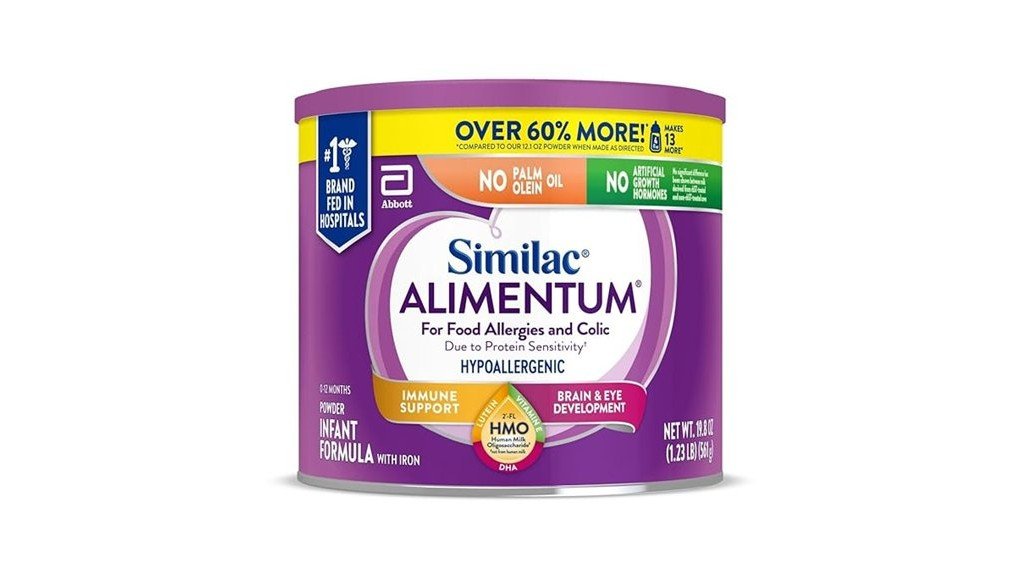
Choosing a formula for a baby with gas, crying, suspected cow’s milk protein sensitivity, or feeding discomfort can feel stressful. Similac Alimentum is a hypoallergenic formula made for infants who may not tolerate standard milk-based formula well. Its main strength is the use of extensively hydrolyzed protein, which means the protein is broken down into smaller pieces to reduce exposure to intact milk proteins. The tradeoff is cost, so this review helps you decide whether Alimentum is worth considering for your baby’s needs.
Quick Verdict
Rating: Recommended with caveats
Best For: Babies with suspected cow’s milk protein sensitivity, allergy-related feeding issues, or colic symptoms where a clinician recommends a hypoallergenic formula.
Bottom Line: Similac Alimentum can be a practical choice when your baby needs a gentler formula than standard milk-based options. It is not a casual switch for every baby, and the higher cost means it makes the most sense when there is a clear feeding need.
Key Takeaways
- Similac Alimentum is a hypoallergenic infant formula made for babies with cow’s milk protein sensitivity, allergies, or colic-related feeding discomfort.
- Its extensively hydrolyzed protein helps reduce exposure to intact cow’s milk proteins that may trigger symptoms in sensitive infants.
- Parents often choose it for feeding tolerance concerns such as gas, crying, fussiness, and digestive discomfort.
- The ready-to-feed format can be useful for travel, nighttime feeds, daycare, or caregivers who want fewer preparation steps.
- It may be worth the higher cost when your baby has a real medical or tolerance-based need for a hypoallergenic formula.
| Specification | Detail |
|---|---|
| Brand | Similac |
| Product | Similac Alimentum |
| Product type | Hypoallergenic infant formula |
| Protein type | Extensively hydrolyzed protein |
| Main use | Feeding support for babies with cow’s milk protein sensitivity, food allergies, or colic-related symptoms |
| Format mentioned | Ready-to-feed option |
| Added ingredient mentioned | 2’-FL HMO |
| Best use | Clinician-guided formula choice for sensitive infants |
| Safety note | Use as directed on the product label and speak with a pediatrician before changing formula for allergy, colic, or feeding concerns. |
What Is Similac Alimentum Formula?
Similac Alimentum is a hypoallergenic infant formula made for babies with food allergies, colic, or sensitivity to cow’s milk protein. It is not designed as a regular formula upgrade for every baby. It is a specialized option for infants who may need a formula with protein that is broken down more than standard milk-based formulas.
Similac Alimentum is a hypoallergenic infant formula made for babies with food allergies, colic, or cow’s milk protein sensitivity.
The formula uses extensively broken down protein to reduce exposure to larger milk protein fragments that may bother sensitive babies. For many parents, the appeal is simple: they want a formula that may support calmer feeding, better tolerance, and fewer signs of discomfort when regular formula is not working well.
Because this is a feeding product for infants, it should be treated as a medically guided formula, not just a convenience purchase. If your baby has blood in stool, poor weight gain, severe vomiting, rash, breathing symptoms, or ongoing distress, you should speak with a pediatrician before switching formulas.
Before You Buy: Similac Alimentum may be helpful for babies with suspected protein sensitivity, but it is not meant to diagnose or treat a medical condition by itself. Use it with pediatric guidance if your baby has allergy symptoms, poor feeding, or ongoing colic.
Who Should Buy It?
Best For
- Parents whose baby may have cow’s milk protein sensitivity or allergy-related feeding discomfort.
- Caregivers looking for a hypoallergenic formula with extensively hydrolyzed protein.
- Families who value ready-to-feed convenience for travel, nighttime bottles, daycare, or backup feeding.
Skip If
- Your baby tolerates standard formula well and does not need a hypoallergenic option.
- You need the lowest-cost formula for long-term everyday feeding.
- Your pediatrician recommends a different formula type for your baby’s symptoms.
How Does Similac Alimentum Help Babies?
For infants who struggle with cow’s milk protein sensitivity or colic, Alimentum is designed to provide gentler feeding support by using extensively broken down protein. This may reduce the chance that intact milk proteins will trigger discomfort in babies who are sensitive to them.
The formula’s hypoallergenic profile is the main reason parents consider it. Instead of focusing on general nutrition alone, Alimentum is aimed at babies who need allergy-aware feeding support while still receiving formula nutrition for growth and development.
The addition of 2’-FL HMO may offer immune-supportive value within the formula. For parents, that means Alimentum is not just about avoiding certain protein triggers. It is also built around the broader feeding needs of infants who require a more careful formula choice.
How Similac Alimentum Helps With Colic
Colic can have more than one cause, but in some babies, excessive crying and fussiness may be linked to sensitivity to cow’s milk proteins. Similac Alimentum uses extensively hydrolyzed protein to reduce exposure to larger milk protein pieces that may contribute to feeding discomfort.
This does not mean Alimentum will calm every crying baby. It means the formula may be worth considering when colic symptoms appear connected to feeding, gas, or milk protein sensitivity.
- Helps reduce exposure to intact cow’s milk protein.
- May support better feeding tolerance in sensitive infants.
- Can be part of a broader plan that includes burping, paced feeding, and pediatric guidance.
Clinicians often focus on patterns, such as crying after feeds, frequent spit-up, gas, stool changes, or poor comfort during feeding. If those patterns suggest formula intolerance, a hypoallergenic formula like Alimentum may be considered.
Similac Alimentum Ready-to-Feed Convenience
The ready-to-feed version of Alimentum can be helpful when you need fewer steps. It reduces the need for measuring powder, mixing water, and worrying about clumps during stressful feeding times.
This can matter most during overnight feeds, road trips, daycare drop-offs, hospital visits, or any situation where clean preparation is harder. For tired parents, a ready-to-feed bottle can make feeding feel more controlled and less rushed.
Good feeding habits still matter. Check the label, follow storage directions, shake gently if instructed, and discard unused formula after opening according to the product instructions. The ready-to-feed format improves convenience, but it does not remove the need for careful handling.
Pro Tip: If you are testing Alimentum for the first time, track feeding times, crying patterns, spit-up, stool changes, and sleep for a few days. Clear notes can help your pediatrician judge whether the formula is actually helping.
Baby Safety Notes
Because Similac Alimentum is used for infants with possible allergies or feeding issues, safety should come before convenience. Follow the product label for preparation, storage, serving, and discard times. Do not dilute formula to stretch a container, and do not mix it with other products unless your pediatrician tells you to do so.
Formula changes should be handled carefully when your baby has symptoms such as persistent vomiting, diarrhea, rash, blood in stool, breathing trouble, poor weight gain, dehydration signs, or severe fussiness. Those symptoms need medical guidance, not guesswork.
If your baby has a known allergy or complex medical history, ask your pediatrician whether Alimentum is the right formula type. Some babies may need a different feeding plan depending on the severity of their symptoms.
How It Performs in Real Use
For Daily Feeding
For everyday bottles, Alimentum’s main benefit is its hypoallergenic formula design. If your baby struggles with standard formula, this can make daily feeding feel more predictable. You may still need time to see whether symptoms improve, and not every baby responds the same way.
For Colic and Fussiness
When crying appears tied to feeding discomfort, Alimentum may help by reducing exposure to intact milk proteins. Parents often look for changes such as calmer feeds, less gas, fewer crying spells, or more comfortable sleep after feeding. Results can vary, so avoid treating one good bottle as proof that the formula has solved the issue.
For Travel and Nighttime Feeds
The ready-to-feed option is one of Alimentum’s strongest practical advantages. It can help during late-night feeds when you are tired or while traveling when clean water and measuring tools may not be easy to manage. You still need to follow storage and discard instructions carefully.
For Long-Term Use
Long-term use depends on your baby’s needs and your budget. Alimentum can be more expensive than standard formulas, so it is best suited for babies who truly need a hypoallergenic formula. If symptoms improve, your pediatrician can help you decide whether to continue, adjust, or later reevaluate the feeding plan.
How to Use It Correctly
Start by reading the product label every time, especially if you switch between ready-to-feed and any other format. Preparation and storage rules can differ by formula type, package size, and bottle use.
- Wash hands before handling bottles or formula.
- Use clean bottles and nipples for each feeding.
- Follow the label for opening, storage, warming, and discard times.
- Do not water down formula to reduce cost or calories.
- Track symptoms if you are switching due to colic, gas, rash, or stool changes.
If your baby refuses the taste at first, speak with your pediatrician before making another quick formula change. Sensitive babies may need a careful transition plan, and frequent switching can make it harder to understand what is helping.
Pros and Cons
Pros
- Hypoallergenic formula made for babies with cow’s milk protein sensitivity or food allergy concerns.
- Extensively hydrolyzed protein helps reduce exposure to intact milk proteins.
- Ready-to-feed option can save time during travel, daycare, and nighttime feeds.
- May support calmer feeding for babies whose discomfort is linked to protein sensitivity.
- Includes 2’-FL HMO, which may add immune-supportive value within the formula.
Cons
- Costs more than many standard infant formulas.
- Not every fussy or colicky baby needs a hypoallergenic formula.
- Formula changes should be guided by a pediatrician when allergy symptoms are present.
Is Similac Alimentum Worth Buying?
Whether Similac Alimentum is worth buying depends on your baby’s medical need and feeding tolerance. For babies with suspected cow’s milk protein allergy or colic related to protein sensitivity, its hypoallergenic design may justify the higher cost.
Similac Alimentum may be worth the price for babies with cow’s milk sensitivity or allergy-related feeding issues.
Compared with standard formulas, Alimentum is a more targeted choice. It is better for families who care most about hypoallergenic feeding support, ready-to-feed convenience, and reduced exposure to intact cow’s milk proteins. It is not the best fit if your baby feeds comfortably on regular formula or if you are switching without a clear reason.
- Clinically relevant for allergy-prone or formula-sensitive infants.
- Ready-to-feed options support practical care during busy moments.
- SNAP eligibility in select stores may improve access for some families.
How It Compares to Alternatives
Similac Alimentum is often compared with other hypoallergenic formulas, especially options made for cow’s milk protein sensitivity or allergy-related feeding problems. The main buying difference is not just brand preference. It is protein type, preparation format, baby tolerance, cost, and pediatric recommendation.
If you want a formula for a baby who already tolerates standard milk-based formula, Alimentum may be more specialized than you need. If your baby shows signs of protein sensitivity, Alimentum makes more sense as a targeted formula to discuss with your pediatrician.
Frequently Asked Questions
Does Similac Alimentum contain 2′-FL HMO?
Yes. The article-supported ingredient detail says Similac Alimentum contains 2′-FL HMO. This ingredient is included within the formula’s hypoallergenic design for sensitive infants.
Can I use SNAP benefits to buy it?
In some stores, Similac Alimentum may be eligible for purchase with SNAP benefits. Availability can depend on the store, product format, local program rules, and checkout system.
Is Similac Alimentum good for travel?
Yes, the ready-to-feed option can be useful for travel because it reduces mixing steps. You still need to follow the label for storage, opening, serving, and discard times.
How do I earn MySimilac Rewards points?
MySimilac Rewards points may be earned by scanning the QR code on select eligible products. Check the current program terms because rewards features and eligible products can change.
Is Similac the top hospital formula brand?
Similac is widely reported as a major hospital formula brand. Hospital use alone should not decide your purchase, though, because your baby’s tolerance and pediatric guidance matter more.
Can Alimentum stop colic?
No formula can guarantee colic relief. Alimentum may help when crying and discomfort are linked to cow’s milk protein sensitivity, but colic can have other causes.
Should I switch to Similac Alimentum without asking a doctor?
For mild feeding questions, many parents compare formulas, but allergy symptoms deserve medical guidance. Speak with your pediatrician if your baby has rash, blood in stool, severe vomiting, poor weight gain, or ongoing distress.
Who should skip Similac Alimentum?
You may not need Alimentum if your baby tolerates standard formula well. You should also avoid switching without guidance if your baby has complex medical needs or severe symptoms.
The Bottom Line
Similac Alimentum is a strong option for babies who need a hypoallergenic formula because of suspected cow’s milk protein sensitivity, allergy-related feeding issues, or colic linked to formula intolerance. Its biggest strengths are the extensively hydrolyzed protein and ready-to-feed convenience, while its biggest drawback is the higher cost. Skip it if your baby does well on standard formula, and ask your pediatrician if symptoms suggest an allergy or medical feeding concern.