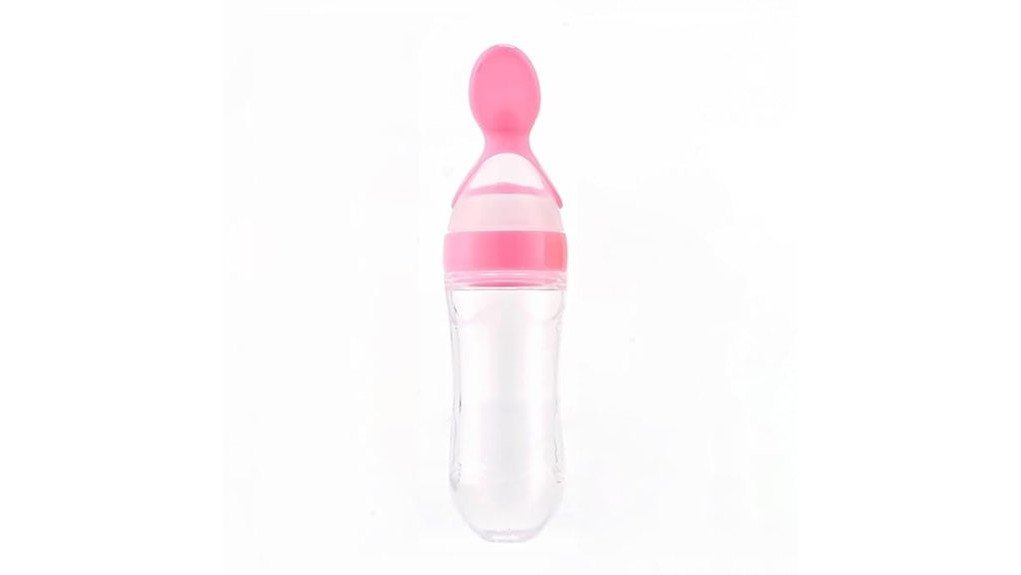
Silicone squeeze feeding spoons are designed to make early feeding simpler and cleaner. Their soft silicone tip can be gentle on gums, while the squeeze body helps control how much food is dispensed. They are often marketed as a practical tool for babies learning to self-feed, but their real value depends on daily use, cleaning, and durability. A closer look shows where they help and where they may fall short.
Key Takeaways
- Silicone squeeze feeding spoons combine a spoon and bottle feeder for controlled, mess-reducing feeding of purees, cereals, and liquids.
- The soft, food-grade silicone tip is gentle on gums and safe for babies exploring solid foods.
- The squeeze chamber lets caregivers dispense small, measured portions, helping pace mealtime and reduce overfeeding.
- They support self-feeding practice, building infant confidence and independence during meals.
- Most models are easy to clean, often dishwasher safe, and practical for everyday baby feeding.
What Are Silicone Squeeze Feeding Spoons?
Silicone squeeze feeding spoons are baby feeding tools that combine a spoon and a bottle-style feeder in one design. They are intended to support baby feeding with controlled delivery of purees, cereals, or liquids through a soft silicone tip.
The format can also assist self feeding by giving infants a manageable way to explore textures with less strain on caregivers. Made from food-grade silicone, they are generally non-toxic, flexible, and easy to handle.
Their structure is practical for measured portions, helping infants receive food in a calmer, more organized manner during early feeding stages.
Why Use Silicone Squeeze Feeding Spoons for Babies?
They are useful because they combine controlled feeding with a soft, baby-safe design that supports early eating skills. The benefits of silicone include flexibility, non-toxic construction, and gentle contact with delicate mouths. This can reduce mealtime strain and support feeding independence without excessive mess or pressure.
- Soft materials help protect sensitive gums.
- The squeeze format allows measured portions.
- Self-feeding practice encourages confidence and autonomy.
For caregivers seeking practical freedom, this design offers a calm, efficient option for introducing new textures while maintaining comfort and safety.
How Do You Use a Squeeze Feeding Spoon?
Using a squeeze feeding spoon is straightforward and designed to support controlled, low-mess feeding. The caregiver fills the chamber, then applies a gentle squeeze technique so puree or cereal moves into the spoon tip in measured portions. The child is offered small bites, allowing gradual acceptance and steadier feeding habits.
| Step | Action | Effect |
|---|---|---|
| 1 | Fill spoon | Ready feeding |
| 2 | Squeeze gently | Small portions |
| 3 | Present tip | Easier latch |
| 4 | Pause often | Calm pace |
| 5 | Repeat | Support independence |
This method reduces strain, supports autonomy, and helps mealtimes feel orderly and freeing.
How Do You Clean and Care for Them?
Routine care is simple and low effort: the spoon and bottle feeder can be rinsed under warm water after use or placed in the dishwasher for a more thorough clean.
Cleaning tips support hygiene without burden, preserving ease for caregivers seeking liberation from repetitive chores.
- Disassemble parts promptly for thorough washing.
- Use mild soap and warm water when hand cleaning.
- Allow all components to air-dry fully before storage.
Maintenance practices are minimal: inspect silicone surfaces for residue, then store them in a clean, dry place.
This practical routine helps keep the feeding tool ready, sanitary, and dependable for daily use.
Are Silicone Squeeze Feeding Spoons Worth Buying?
Yes—silicone squeeze feeding spoons can be a practical purchase for families seeking a safer, more efficient feeding tool. In baby feeding, the 100% food-grade silicone body, soft tip, and mess-reducing pouch support calm routines and reduced strain. They also encourage self feeding, letting children explore textures with less waste and more independence.
| Benefit | Value |
|---|---|
| Safe material | Non-toxic, rust-free |
| Gentle tip | Comfort for mouths |
| Easy cleaning | Dishwasher safe |
| Versatile use | Purees, cereals, liquids |
| Independence | Supports self feeding |
For caregivers seeking liberation from constant cleanup, the design is clinically sensible, reassuring, and worth considering.
Frequently Asked Questions
Are They Suitable for Teething Babies?
Yes, they appear suitable for teething babies, offering soft silicone tips and gentle feeding techniques that may support teething relief. The design is practical, non-toxic, and reassuring, though direct chewing supervision remains essential.
Can They Be Sterilized Safely?
Yes, they can be sterilized safely if the manufacturer’s instructions are followed. Their food-grade silicone supports microwave safety and material durability, while dishwasher cleaning offers a practical, reassuring option for hygienic feeding routines.
Do They Work With Thick Baby Foods?
Yes, they can handle thick puree reasonably well. As the adage goes, a spoonful of flexibility eases the meal; feeding ease is improved, though very dense foods may require squeezing and occasional stirring for consistent flow.
Are Replacement Tips Available Separately?
Replacement tips are not specifically listed separately; replacement options appear limited. The device’s feeding techniques rely on the integrated silicone design, so users may need to replace the whole spoon if wear occurs.
What Age Range Is Best for These Spoons?
Best for babies starting solids around 6 months through toddlerhood, these spoons support baby led weaning and sensory exploration. The soft silicone, squeeze design, and easy cleaning make them practical, reassuring, and liberating for caregivers.
Conclusion
Silicone squeeze feeding spoons prove to be a practical tool for early self-feeding, combining soft, gum-friendly texture with simple portion control. When used, they dispense food in steady, manageable amounts, helping infants explore mealtime with less mess and more confidence. Their easy cleaning and durable, food-grade design add further convenience. In many cases, they are worth buying, particularly where safe, gentle, and efficient feeding support is desired.